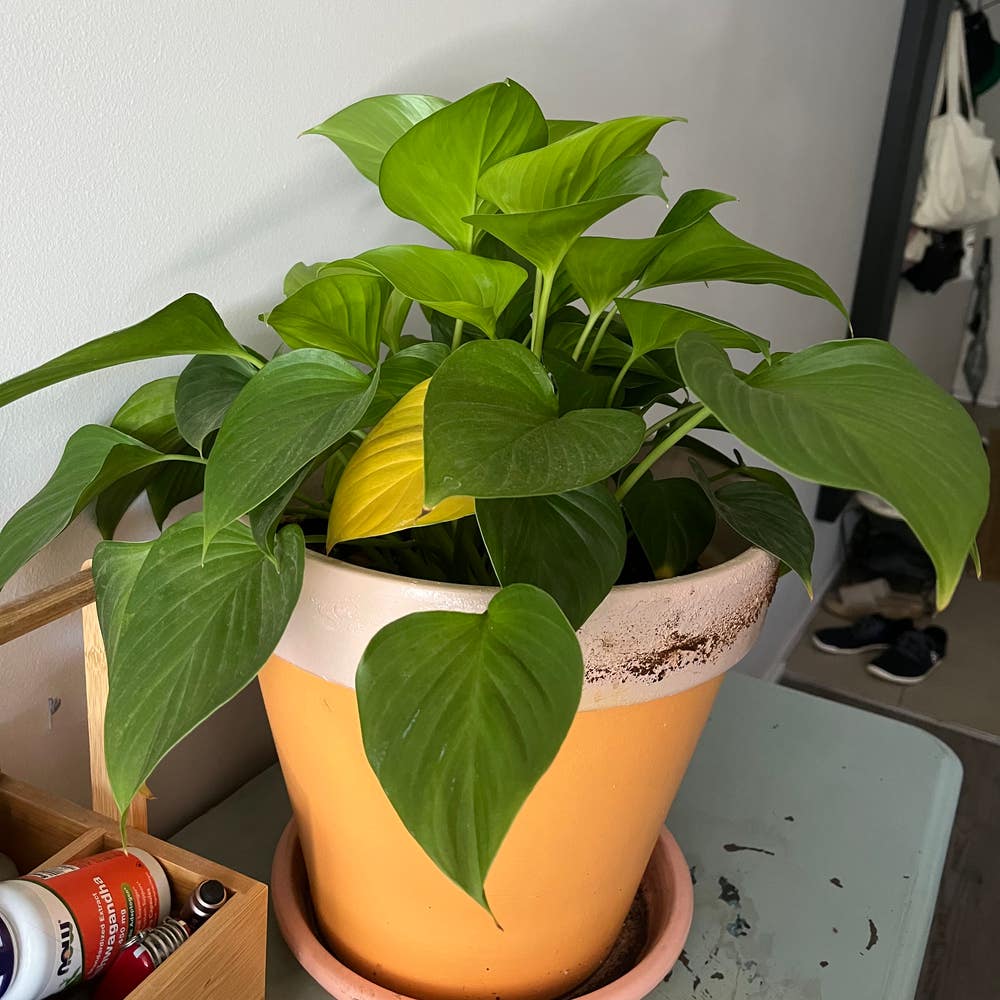
Should I Repot My Homalomena Maggy And If So, How?
Homalomena rubescens ‘Maggy’
By the Greg Editorial Team
Jun 18, 2024•5 min read
This article was created with the help of AI so we can cover more plants for you. May contain errors. See one? Report it here.
- Root circling and stunted growth signal it's repotting time.
- Repot in spring or early summer during active growth.
- Choose a breathable, well-draining pot one size larger.
Spot the Clues: When Your Homalomena Maggy is Begging for a New Home
🌱 Roots on the Run: Spotting a Root-Bound Plant
Roots peeking out of drainage holes are not playing hide and seek; they're cramped. If your Homalomena Maggy's roots are circling the pot's bottom like a mini race track, it's time to give them space.
📉 Sluggish Growth: When Your Plant's Growth Tells a Tale
When new leaves are as rare as a polite online debate, your plant's growth is stunted. Etiolation, or the stretching of stems, is Maggy's way of reaching for more—more space, more nutrients, more love.
💧 Thirsty All the Time: Understanding Water Retention Issues
If your Homalomena Maggy drinks water faster than a marathon runner, it's not just thirsty—it's likely root-bound. Overly dry soil can be a sign that the roots have taken over, leaving little room for moisture.

Timing is Everything: Picking the Perfect Moment to Repot
🌱 Syncing with the Growth Spurt
Active growth phases are your green light for repotting Homalomena Maggy. This period is when the plant is most receptive to change, as it's already in a phase of adjustment and expansion. Think of it as the plant's own version of spring cleaning—out with the old, in with the new. Repotting during this time minimizes stress and maximizes the plant's ability to recover and thrive.
📅 Seasonal Smarts
Spring is the Homalomena Maggy's version of a new year's resolution—it's the best time to make changes. The plant's energy is rising, and the warmer temperatures encourage root growth. Early summer can also work, but it's like catching the last train home—you don't want to miss it. Avoid winter repotting; it's akin to changing homes during a snowstorm—just not ideal. Remember, timing isn't just about the calendar; it's about observing your plant's cues and acting accordingly.

The Repotting Rundown: A Step-by-Step Guide
🌱 Prepping the New Pad: Choosing the Right Pot and Potting Mix
Size matters when selecting a new pot for your Homalomena Maggy. Opt for a pot that's just one size larger than the current one; this isn't a mansion upgrade, but rather a cozy expansion for your plant's roots. Ensure the pot has drainage holes to prevent waterlogging, which can spell disaster for your green buddy. Line the bottom with a coffee filter or mesh to prevent soil escape while maintaining proper drainage.
For the potting mix, go for a well-draining, peat-based blend. Your Homalomena Maggy isn't picky, but it will thank you for a mix that holds moisture without becoming soggy. Aeration is key, so consider adding perlite or bark chips to keep the soil light and breathable.
🌿 The Gentle Uproot: Safely Removing Your Plant from Its Old Pot
It's eviction time, but let's keep it civil. Gently squeeze the sides of the pot or tap the bottom to encourage the plant to loosen its grip. If the roots are staging a sit-in, use a chopstick to carefully persuade them out. Avoid a tug-of-war at all costs; we're going for a diplomatic extraction here.
Once free, inspect the root ball. Trim away any dead or suspicious roots with sterilized shears—think of it as a root haircut for better growth. Loosen the root ball gently to encourage new growth in its upcoming abode.
🏡 Home Sweet Home: Planting in the New Pot
Now for the homely touch. Place a layer of fresh potting mix at the bottom of the new pot. Your Homalomena Maggy should sit at the same level it did in its previous pot—no deep-sea diving or mountain climbing for this plant. Fill in around the roots with more mix, tamping it down lightly to eliminate air pockets without compacting it into concrete.
Watering is on pause for now. Give those roots a chance to explore and settle for about a week before introducing water. This is their time to stretch out and get comfortable in their new home without the added stress of a drink.

Choosing the Right Pot: Material Matters
🌱 Breathability and Moisture: Terracotta vs. Plastic
Terracotta pots are the lunges of the plant world, letting roots breathe and excess water evaporate. They're perfect if you're heavy-handed with the watering can but remember, they can be hefty to move around. Plastic pots, meanwhile, are like sponges; they hold onto moisture, making them a lazy waterer's best friend. Just ensure they have drainage holes to prevent your Homalomena Maggy from drowning in soggy soil.
🏋️♂️ Weight and Insulation: Ceramic's Role in Root Health
Ceramic pots are the yoga mats of the pot world, offering a balance between breathability and moisture retention. They're heavier, sure, but they provide good insulation for the roots. If you're not planning to bench press your plant babies around the living room, ceramic can be a chic and stable choice. Just be ready to pay a bit more for their good looks and remember, they're not fans of rough handling.
Aftercare: Helping Your Homalomena Maggy Settle In
💧 The First Watering: When and How Much
After repotting your Homalomena Maggy, resist the urge to shower it with love—literally. Give it a couple of days to acclimate before introducing water to avoid root shock. When you do water, think moderation; just enough to dampen the new soil, like a polite sip, not a gulp.
☀️ Location, Location, Location: Finding the Perfect Spot Post-Repotting
Your Homalomena Maggy doesn't need a view of the beach, but it does crave the right light. Bright, indirect sunlight is its jam. Keep it out of the harsh afternoon rays to prevent the botanical equivalent of a sunburn. And remember, no drafts—this plant despises a chilly breeze as much as you do.
🕵️ Monitoring and Adjusting: What to Watch for in the Days After Repotting
Be a plant detective—keep an eye out for droopy leaves or a sullen demeanor. These could be signs your Homalomena Maggy is throwing a fit about its new digs. Don't freak out; just adjust the watering or lighting as needed. Consistency is your new best friend here, so avoid making drastic changes on a whim.
⚠️ Safety First
This content is for general information and may contain errors, omissions, or outdated details. It is not medical, veterinary advice, or an endorsement of therapeutic claims.
Always consult a qualified healthcare professional before using any plant as food, medicine, or supplement.
Never eat any plant (or feed one to pets) without confirming its identity with at least two trusted sources.
If you suspect poisoning, call Poison Control (800) 222-1222, the Pet Poison Helpline (800) 213-6680, or your local emergency service immediately.
Spotted an error? Please report it here.
Repot your Homalomena Maggy with confidence by spotting the right signs and using Greg's 🌱 tailored reminders to ensure a stress-free transition and a flourishing plant.