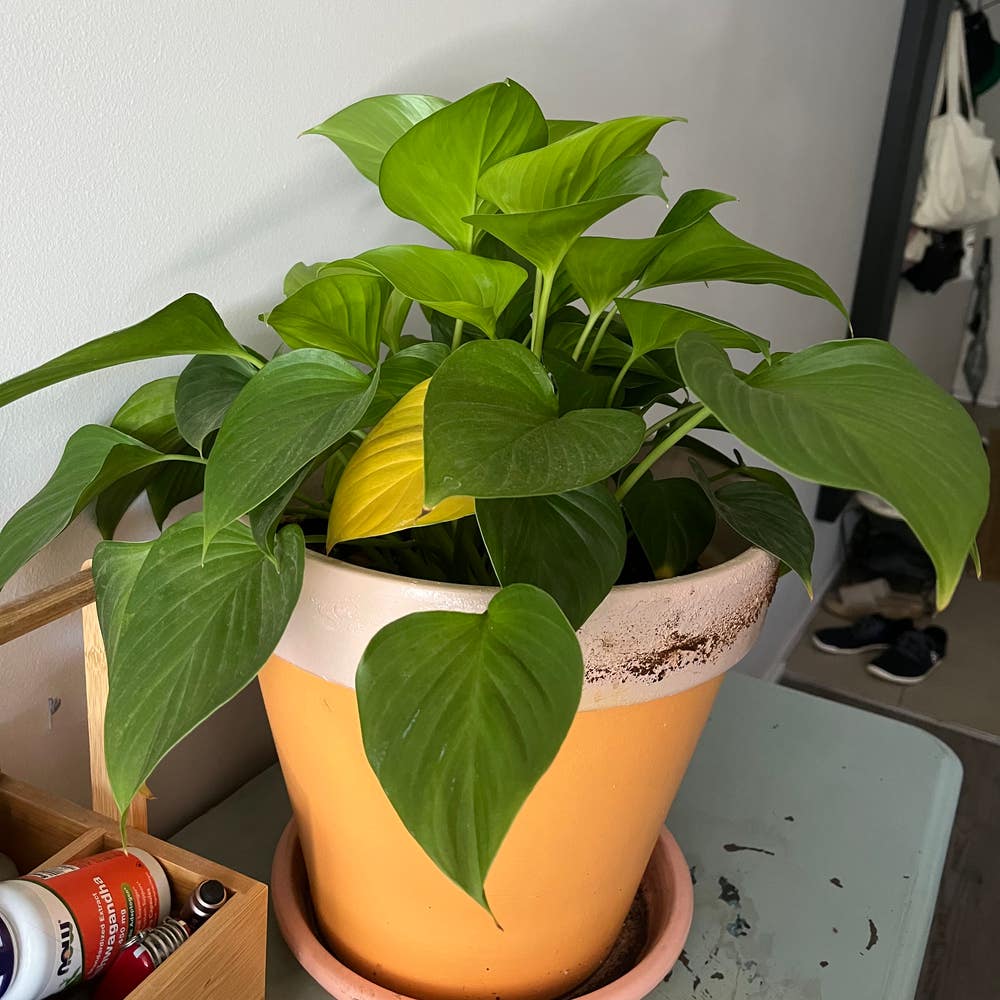
💖 6 Tips for Fixing Flower Problems in Queen of Hearts
Homalomena rubescens ‘Maggy’
By the Greg Editorial Team
Sep 30, 2024•5 min read
This article was created with the help of AI so we can cover more plants for you. May contain errors. See one? Report it here.
- 🌞 Insufficient light prevents blooming; provide 6-8 hours of bright, indirect sunlight.
- 🌱 Balanced nutrition is essential; fertilize every 4-6 weeks for vibrant growth.
- 🐛 Pest infestations cause flower drop; monitor for signs and use organic control methods.
Failure to Bloom
🌞 Causes
Insufficient Light
One of the primary reasons your Queen of Hearts might fail to bloom is insufficient light. Look for signs like leggy growth and pale leaves; these indicate your plant isn’t getting enough sunlight.
Poor Nutrition
Another culprit could be poor nutrition. Yellowing leaves and stunted growth are common signs that your plant isn’t receiving the nutrients it needs to thrive.
Environmental Stress
Environmental stress can also impact blooming. Factors like fluctuating temperatures or humidity levels can significantly affect your plant's overall health and flowering potential.
🌱 Solutions
Adjusting Light Exposure
To encourage blooming, adjust your plant's light exposure. Aim for bright, indirect sunlight for about 6-8 hours daily to create optimal conditions.
Fertilization Tips
Fertilization is key to providing essential nutrients. Use balanced NPK formulas and apply them every 4-6 weeks during the growing season for best results.
Stress Management
Managing environmental stress is crucial for blooming success. Maintain stable humidity and temperature to help your Queen of Hearts flourish without unnecessary stress.
By addressing these causes and implementing these solutions, you can help your Queen of Hearts bloom beautifully. Next, let’s explore the issue of premature flower drop and how to tackle it effectively.
Premature Flower Drop
🥵 Causes
Overwatering
Overwatering is a common culprit behind premature flower drop. Look for yellowing leaves and signs of root rot as indicators that your plant is getting too much water.
Temperature Fluctuations
Temperature swings can stress your Queen of Hearts. Ideally, keep the temperature between 20°C to 30°C (68°F to 86°F) for optimal health.
Pest Infestations
Pests can wreak havoc on your plant, leading to flower drop. Watch for distorted leaves and sticky residue, which signal an infestation that needs immediate attention.
💧 Solutions
Watering Techniques
To combat overwatering, allow the top inch of soil to dry out before watering again. This simple adjustment can make a world of difference.
Maintaining Stable Temperatures
Keep your plant away from drafts and extreme heat sources. A stable environment helps prevent stress and supports healthy blooming.
Pest Control Methods
If pests are an issue, consider using organic options like neem oil or insecticidal soap. These methods are effective and less harmful to your plant's overall health.
By addressing these causes and implementing these solutions, you can help your Queen of Hearts thrive and enjoy a vibrant display of flowers. Next, let’s explore abnormal flower development and how to tackle it effectively.
Abnormal Flower Development
🌱 Causes
Nutrient Deficiencies
Nutrient deficiencies can lead to poor flower size and color. If your Queen of Hearts isn't blooming vibrantly, check for signs of nutrient imbalance.
Improper Pruning
Incorrect pruning can significantly reduce flowering potential. Pruning at the wrong time or cutting too much can hinder your plant's ability to thrive.
Disease
Diseases manifest through symptoms like wilting and discoloration. Keeping an eye out for these signs is crucial for maintaining plant health.
💡 Solutions
Soil Testing for Nutrients
Conducting soil tests annually can help identify nutrient deficiencies. This proactive approach ensures your plant receives the essential elements it needs to flourish.
Correct Pruning Methods
Prune your Queen of Hearts after flowering to promote healthy growth. Focus on removing dead or damaged stems to encourage new blooms.
Disease Management
To manage disease effectively, ensure good air circulation around your plant. This simple practice can prevent many common issues before they escalate.
By addressing these factors, you can enhance your plant's flowering potential and overall health. Next, let’s explore the various factors affecting flowering to ensure your Queen of Hearts thrives beautifully.
Factors Affecting Flowering
🌞 Light Requirements
Light is crucial for flower production and overall plant health. Without adequate light, your Queen of Hearts may experience delayed or reduced blooming.
Signs of insufficient light include leggy growth and pale leaves. Ensure your plant receives bright, indirect sunlight for 6-8 hours daily to promote vibrant blooms.
🍽️ Nutritional Needs
Key nutrients like nitrogen, phosphorus, and potassium play a vital role in flower development. These macronutrients support healthy growth and flowering.
Micronutrients, such as magnesium and calcium, are equally important. They help enhance flower color and size, ensuring your plant thrives.
✂️ Pruning Techniques
Timing is everything when it comes to pruning. The best time to prune your Queen of Hearts is right after the blooming season.
Use proper techniques by cutting back to healthy nodes. This encourages new growth and maximizes flowering potential for the next season.
Understanding these factors will set the stage for a flourishing plant. Next, let’s explore pest and disease management to keep your Queen of Hearts healthy and vibrant.
Pest and Disease Management
🐛 Identifying Common Pests
Keeping an eye out for pests is crucial for your Queen of Hearts. Look for visual indicators like webbing on leaves or discolored foliage, which can signal an infestation.
Early detection is key. The sooner you spot these issues, the easier it is to manage them effectively.
🚫 Disease Prevention
Watch for symptoms like wilting or leaf spots, as these can indicate underlying diseases. Staying vigilant can save your plant from serious damage.
To prevent disease, focus on best practices such as ensuring proper air circulation and using effective watering techniques. This creates a healthier environment for your plant to thrive.
By addressing pests and diseases promptly, you can help your Queen of Hearts flourish beautifully. Next, let’s explore the factors that affect flowering to ensure your plant blooms to its fullest potential.
⚠️ Safety First
This content is for general information and may contain errors, omissions, or outdated details. It is not medical, veterinary advice, or an endorsement of therapeutic claims.
Always consult a qualified healthcare professional before using any plant as food, medicine, or supplement.
Never eat any plant (or feed one to pets) without confirming its identity with at least two trusted sources.
If you suspect poisoning, call Poison Control (800) 222-1222, the Pet Poison Helpline (800) 213-6680, or your local emergency service immediately.
Spotted an error? Please report it here.
Transform your Queen of Hearts into a blooming beauty 🌸 by using Greg's tailored care reminders and expert tips to meet its light and nutrition needs!