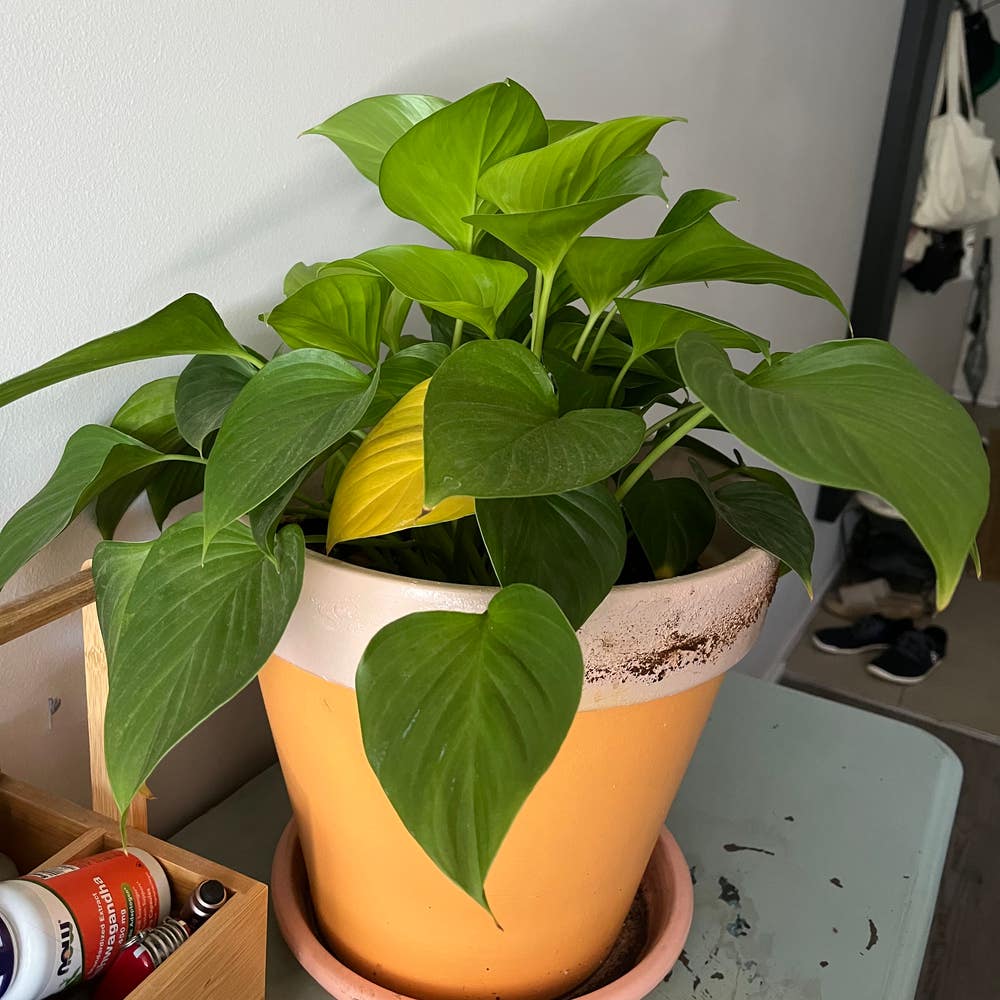
💧 Why Are My Homalomena Maggy Leaves Mushy?
Homalomena rubescens ‘Maggy’
By the Greg Editorial Team
Jun 18, 2024•5 min read
This article was created with the help of AI so we can cover more plants for you. May contain errors. See one? Report it here.
- Mushy leaves signal distress, often from overwatering or root rot.
- Root rot requires immediate action: trim roots, repot, and adjust watering.
- Prevent mushiness with proper drainage, moisture monitoring, and a watering schedule.
Spotting the Trouble: Signs of Mushy Leaves
🍂 Visual Cues: Recognizing the Onset of Mushiness
Discoloration is your first visual clue. Leaves fading to a yellow or brown hue are not trying to keep up with autumn trends. They're signaling a plant in distress. If your Homalomena Maggy's leaves resemble overcooked veggies, it's a red flag.
✋ Touch and Tell: The Texture of Unhealthy Homalomena Maggy Leaves
Get hands-on. If the leaves squish under gentle pressure, it's a sign of trouble. A healthy leaf should be firm, not feel like it's auditioning for a role as a marshmallow. If it's more damp sponge than crisp leaf, your plant is sending an SOS.
🌱 Beyond the Leaf: Other Symptoms to Watch For
Keep an eye out for leaves that drop without a fight and roots that feel like they've seen better days. A foul odor or roots turning into a mushy, brown mess is a telltale sign of root rot. Don't overlook pests either; mealybugs can turn leaves to mush, leaving behind a fluffy white residue. If you spot mold or powdery mildew, it's not just an eyesore—it's a symptom of excessive moisture.

Root of the Problem: Common Causes of Mushiness
💦 Overwatering Woes
Overwatering is the equivalent of drowning your Homalomena Maggy in affection. The roots need air as much as they need water, and too much H2O suffocates them, leading to that undesirable mush. You'll know you're overdoing it if the soil feels perpetually swampy or if the pot is heavier than it should be. A stench of decay is the plant crying out for an intervention.
🍄 Root Rot Revelation
Beneath the surface, root rot is a stealthy destroyer. It's a fungal free-for-all where the roots are the main dish. If they're brown or black instead of a healthy white, and if they give off a whiff of something dying, you've got a serious problem. This isn't just about mushy leaves; it's about the entire plant's survival.
🚱 Drainage Disasters
Poor drainage is like forcing your plant to sit in a wet diaper—uncomfortable and downright unhealthy. If the water has no escape route, the roots are left gasping for air. Compacted soil and pots without proper holes are often to blame. It's crucial to ensure that the soil and pot allow for excess water to flow freely, or you'll be setting the stage for a mushy leaf meltdown.

Turning Over a New Leaf: Fixing Mushy Leaves
💧 Watering Wisdom: Finding the Sweet Spot for Hydration
Adjusting your watering routine is like fine-tuning a musical instrument. It's all about hitting the right notes at the right time. Water thoroughly, allowing it to run through until it escapes from the bottom, then hold off until the top inch of soil is dry to the touch. A moisture meter isn't overkill—it's your secret weapon in the battle against overwatering.
🛠 Tools and Tricks for Moisture Monitoring
Forget guesswork. Use a moisture meter or the good old finger test to check soil dryness. If the top inch feels like a recently watered garden, delay that watering can action.
🌱 Root Revival: Giving Your Plant a Second Chance
When root rot rears its ugly head, it's time for an intervention. Gently remove your plant, trim any black or mushy roots, and give it a fresh start in new soil. Think of it as a plant ER visit—serious business that can save your green buddy's life.
🌿 The Right Way to Repot and Refresh Your Plant's Foundation
Choose a pot with ample drainage and a soil mix that's one part peat, one part pine bark, and one part perlite or coarse sand. This blend is like a life jacket for your Homalomena Maggy, keeping it afloat and away from the dreaded mush.
🚰 Drainage Dilemmas Solved: Ensuring Excess Water Flows Free
Optimal drainage is non-negotiable. Select a pot with holes more numerous than a colander and consider a well-draining soil mix. Terra cotta pots are your friend here, promoting evaporation like a charm.
🛠 DIY Tips for Improving Drainage in a Pinch
If you're in a bind, get creative. Add a layer of gravel or broken pottery shards at the bottom of the pot. It's a quick fix that can mean the difference between soggy and secure roots.

Keeping It Firm: Prevention and Ongoing Care
💧 The Preventive Power of Proper Watering
Creating a watering schedule that works for your Homalomena Maggy is like setting reminders for a favorite TV show—you don't want to miss an episode, but you also don't want reruns every night. Water only when the top inch of soil is dry, and your plant will thank you with firm, healthy leaves.
👀 Vigilance Against Root Rot: Keeping an Eye on the Unseen
Regular root check-ups are as crucial as dentist visits. Peek beneath the soil surface occasionally. If you spot any brown, mushy roots, it's time for an intervention. Early detection can save your Homalomena Maggy from a root rot disaster.
🌿 Ensuring Good Drainage: A Long-term Commitment
Routine pot and soil assessments are the unsung heroes of plant care. Ensure your pot has drainage holes that could make a colander jealous. Mix in perlite or coarse sand to keep the soil from clumping. This isn't just maintenance; it's a ritual to keep your Homalomena Maggy's roots breathing easy.
⚠️ Safety First
This content is for general information and may contain errors, omissions, or outdated details. It is not medical, veterinary advice, or an endorsement of therapeutic claims.
Always consult a qualified healthcare professional before using any plant as food, medicine, or supplement.
Never eat any plant (or feed one to pets) without confirming its identity with at least two trusted sources.
If you suspect poisoning, call Poison Control (800) 222-1222, the Pet Poison Helpline (800) 213-6680, or your local emergency service immediately.
Spotted an error? Please report it here.
Revive your Homalomena Maggy by preventing mushy leaves 🍂 with the help of Greg's tailored care reminders and expert community advice.