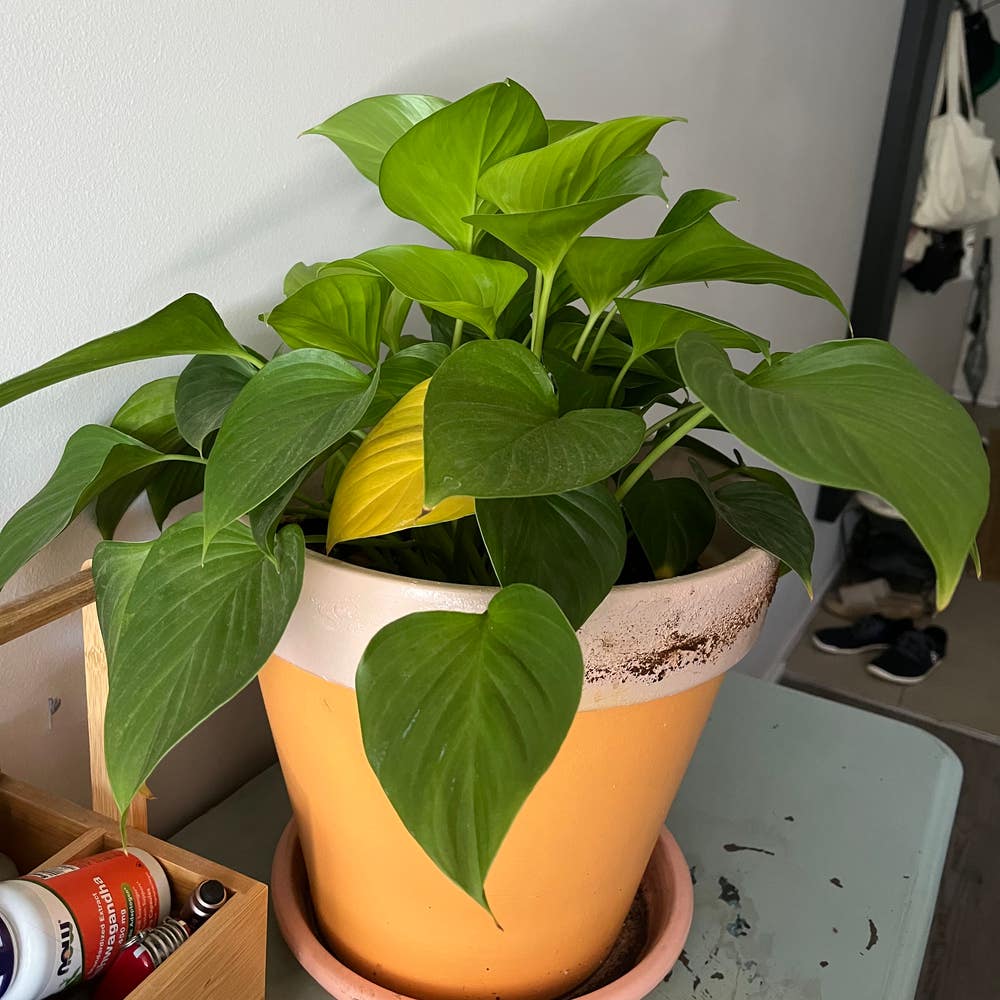
Why Are My Homalomena Maggy Leaves Droopy? 😔
Homalomena rubescens ‘Maggy’
By the Greg Editorial Team
Jun 18, 2024•6 min read
This article was created with the help of AI so we can cover more plants for you. May contain errors. See one? Report it here.
- Droopy leaves signal distress; differentiate from natural growth.
- Water wisely: too much or too little can cause droopiness.
- Light, temperature, and nutrients are key to perky leaves.
Spotting the Signs: When Your Homalomena Maggy is Unhappy
🍂 Identifying Droopy Leaves
Droopy leaves can be a red flag for your Homalomena Maggy. It's essential to distinguish between the plant's natural resting state and the droop of distress. A healthy Maggy boasts perky, heart-shaped leaves. If they're sagging, it's time for a closer look.
🌱 Differentiating Natural Growth from Distress
Natural growth doesn't equate to droopiness. If your Maggy's leaves are more slump than spunk, it's signaling a problem. Look for leaves that seem to lack vigor and appear tired or wilted.
📋 Quick Self-Checklist for Plant Owners
- Spots or patches: Brown, soft spots often mean too much water. Light patches? Your Maggy might be shocked from cold water—room temperature is best.
- Brown edges: Could be dry air, physical damage, or inconsistent watering. Check your plant's environment for clues.
- Stretched stems or small leaves: This is etiolation, a cry for more light. Rotate your plant to ensure even growth.
- Browning leaf tips or 'crying' leaves: Overwatering alert. Your plant might be expelling excess water through guttation.
- Yellowing leaves: A few yellow leaves are normal, but a sudden drop could mean cold drafts or overwatering.
- Pests: Mealybugs and spider mites love dry conditions. Boost humidity and isolate the plant if pests are spotted.
Remember, overwatering is a common misstep. If your Maggy's leaves are drooping and you've been generous with the watering can, it might be time to ease up. Conversely, if the soil feels like the Sahara, it's time to hydrate. Keep an eye on your Homalomena Maggy, and it will tell you what it needs.

Thirsty or Drowning? Watering Woes Unraveled
🏜️ Underwatering: Spotting the Signs and How to Quench Your Plant's Thirst
Dry soil is a dead giveaway your Homalomena Maggy is thirsty. If the top inch feels like a barren wasteland, it's time to water. Wilting leaves that resemble a deflated balloon also scream for hydration. To remedy this, water your plant thoroughly, allowing moisture to reach the roots without turning the pot into a mini pool. Establish a routine; plants are creatures of habit and thrive on consistency.
🚰 Overwatering and Root Rot: Recognizing the Symptoms and Rescuing Your Plant
Overwatering is a common misstep that leads to root rot. If your Homalomena Maggy's leaves are more limp than a week-old salad and the soil feels soggy, you've overdone it. Yellow leaves can be a traitor, indicating either too much or too little water. The key is to check for a mushy base—the hallmark of overwatering. To rescue your plant, ensure proper drainage and consider repotting with fresh, well-draining soil. If root rot has set in, trim the damaged roots and treat with a fungicide. Remember, less is often more when it comes to watering.

A Cozy Spot: Light and Temperature Needs
⛅️ Too Much or Too Little: Finding the light sweet spot for Homalomena Maggy
Bright, indirect light is the mantra for your Homalomena Maggy. Direct sunlight? That's a hard no. It's like signing up for a suntan and getting a sunburn instead. Place your plant where the light is filtered, like behind a sheer curtain or just off to the side of a sunny window. This isn't a sunbather; it's more of a shade-seeker with a love for ambient light.
🌡️ Keeping it Comfy: Ideal temperature ranges to prevent leaf droop
Your Homalomena Maggy isn't asking for a tropical getaway, but it does crave consistency in temperature. Aim to keep your green buddy in the comfort zone of 65°F to 80°F (18°C to 27°C). Anything below 60°F (15°C) and you're entering risky territory—think of it as the plant equivalent of sending a text and getting left on read. And remember, drafts are the enemy. Keep your plant away from open windows, doors, and air conditioners that could cause sudden temperature changes.

Feeding Time: Nutrient Needs and Deficiencies
🚨 Spotting the Signs of Nutrient Deficiency
Yellowing leaves and stunted growth are telltale signs your Homalomena Maggy might be lacking in the nutrient department. If you're seeing brown edges on the foliage, it's time to consider whether your plant's diet is to blame.
🍲 The Balanced Diet: Fertilizing Your Homalomena Maggy Correctly
During the active growing season (spring to summer), your Homalomena Maggy craves a balanced liquid fertilizer every two to four weeks. Avoid fertilizing in the dormant winter months—your plant is not throwing a dinner party during its sleep.
Keep in mind, overfeeding is like force-feeding; it can lead to nutrient burn. Stick to the recommended dosage on the fertilizer package. If you're unsure, less is more—think of it as a light snack rather than a full meal.
🌱 Ensuring Soil Health
Consider a soil test to really know what's going on beneath the surface. It's like a check-up from the plant's personal nutritionist. If you're not into the whole lab analysis scene, at least ensure you're using a weak, organic liquid plant feed monthly during the growing season.
👀 Adjusting to Your Plant's Needs
Your Homalomena Maggy isn't always going to send you a clear RSVP for its nutrient needs. Observe and adjust. If the leaves are still throwing a fit, dial back the fertilizer. Remember, it's about finding that sweet spot where your plant is thriving, not just surviving.
Turning Over a New Leaf: Recovery and Prevention
💧 Watering Wisdom: Establishing a Balanced Routine
Watering your Homalomena Maggy isn't rocket science, but it does require attention to detail. Check the soil's moisture level before watering—dryness at the top inch is your green light. Overwatering is a no-go; it's the fast track to root rot city. Instead, aim for evenly moist soil, and adjust your routine with the seasons—your plant's thirst level changes just like yours.
🌱 The Right Pot and Soil: Ensuring Proper Drainage and Aeration
Drainage holes are your plant's lifeline. Make sure your pot has enough to let excess water escape, or you'll be dealing with a swampy mess. As for the soil, think light and airy, like a gourmet soufflé. A well-draining potting mix helps prevent water from overstaying its welcome.
🌞 Consistent Care: Regular Checks for Light, Temperature, and Nutrient Balance
Your Homalomena Maggy craves stability. Keep it in a spot with consistent, indirect light and a temperature that doesn't swing like a pendulum. Nutrients are like vitamins for your plant—too little and it's malnourished, too much and you're overdoing it. Stick to a balanced fertilizer and use it sparingly, only during the growing season. Regular checks and tweaks to your care routine will keep those leaves perky and proud.
⚠️ Safety First
This content is for general information and may contain errors, omissions, or outdated details. It is not medical, veterinary advice, or an endorsement of therapeutic claims.
Always consult a qualified healthcare professional before using any plant as food, medicine, or supplement.
Never eat any plant (or feed one to pets) without confirming its identity with at least two trusted sources.
If you suspect poisoning, call Poison Control (800) 222-1222, the Pet Poison Helpline (800) 213-6680, or your local emergency service immediately.
Spotted an error? Please report it here.
Ensure your Homalomena Maggy's leaves are never droopy again 💧 with Greg's personalized care reminders for the perfect water and light balance.