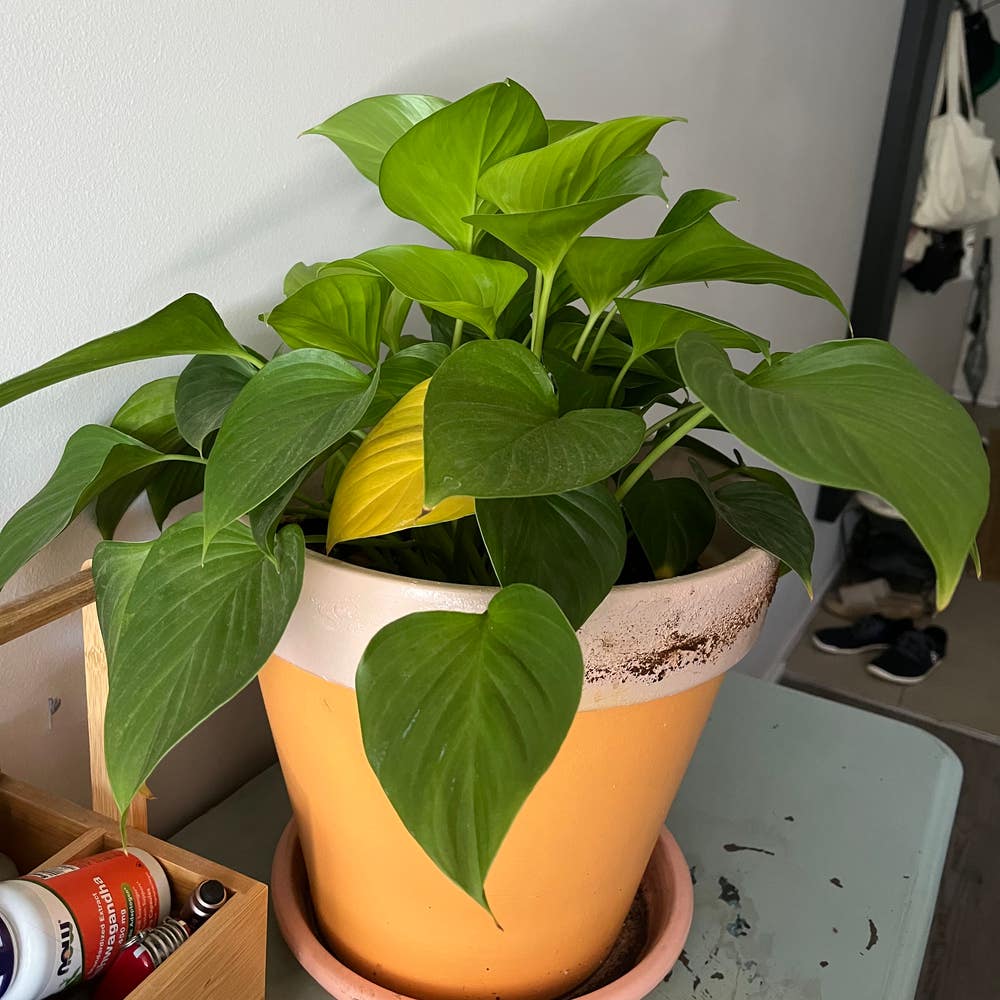
Propagating Homalomena Maggy: Step-by-Step Guide
Homalomena rubescens ‘Maggy’
By the Greg Editorial Team
Jun 18, 2024•4 min read
This article was created with the help of AI so we can cover more plants for you. May contain errors. See one? Report it here.
- Choose healthy sections with robust roots and leaves for division.
- Stem cuttings need rooting hormone, patience for roots to develop.
- Right environment is crucial for successful propagation.
Let's Get Dividing!
🏆 Choosing Your Champion
Before you start chopping, select the healthiest sections of your Homalomena Maggy. Look for robust roots and a good set of leaves. A well-hydrated plant is more flexible, so water it a couple of days before you plan to divide.
The Division Dance
🕺 Preparing for Division
Gently remove your Maggy from its pot, as if you're asking it to waltz. Brush away the soil to reveal the root ball. Now, identify the natural separations or "lines of fracture" and use a sterilized knife to divide. Ensure each new plant has a fair share of roots and leaves.
Division Steps
- Water your plant 48 hours before division.
- Ease the plant out and clear soil to expose roots.
- Cut at natural separation points or slice evenly through the root ball.
- Each division should have roots and at least one leaf.
Post-Division Care
After the split, your Maggy divisions need tender care. Keep the soil moist but not soggy to encourage root growth. Place them in a spot with indirect light and maintain the humidity they love. Watch for new growth as a sign of a successful operation.

Stem Cuttings: A Snip in Time
✂️ Making the Cut
To propagate Homalomena Maggy through stem cuttings, timing and technique are everything. Spring is your golden window, when the plant's energy is surging and it's ready to heal and grow. With sterilized shears in hand, snip a healthy stem 4-6 inches long, just above a leaf node. This is where the magic of root potential lies. Make sure the cut is clean and crisp to avoid any unnecessary stress to the plant.
🌱 Rooting for Success
Once you've got your cutting, it's time to coax those roots into existence. Dip the cut end into rooting hormone; this stuff is like a pep talk for roots. Then, plant your cutting in moist soil that mirrors the parent plant's environment. Keep it simple, keep it consistent. Remember, it's a bit of a waiting game—patience is key. A gentle tug after a few weeks will tell you if roots have grabbed hold. If you feel resistance, congrats, you're on the right track. Keep the soil moist and maintain a warm, humid environment to encourage growth. It's like creating a mini spa for your cuttings—comfortable, consistent, and conducive to relaxation and regeneration.

Offsets: Little Clones
🌱 Spotting and Separating Offsets
To identify ready-to-separate offsets from your Homalomena Maggy, look for the little clones snuggled around the mother plant. These offsets should be plump with a few roots already branching out.
Gently twist or use a sharp, sterile knife to separate them, taking care not to harm their delicate roots. It's a delicate operation—precision is key.
🌿 Rooting the Future
Once you've liberated your offsets, it's time to encourage healthy root development.
Treat the base with rooting hormone and let them dry for about a week. This pause helps prevent rot and gives the offsets a chance to callus over, preparing them for the next step.
Place them in a shady spot with indirect light and resist the urge to water until you see those tiny roots taking hold. Patience is your ally here—rooting can take from a few weeks to several months, depending on the conditions.

The Perfect Propagation Setup
🌡️ Creating the Ideal Environment
Creating the right environment is pivotal for propagation. Humidity and temperature are the dynamic duo here. Aim for a warm, tropical-esque vibe with temperatures between 65-75°F. Use a humidity dome or plastic bag to keep the air moist, and consider a heat mat if your space runs cool. Remember, no drafts—your plant babies hate sudden temperature drops as much as you hate unexpected cold showers.
🚰 Transitioning to Potting
When it's time to pot, think of it as moving day for your plantlets. Choose a container with drainage holes to avoid waterlogged roots. Mix your potting soil with perlite or sand for that just-right bed that's supportive yet growth-friendly. Gradually reduce the humidity as you approach potting day to toughen up your plant for the real world.
🌱 The First Few Weeks
In the early weeks post-potting, keep the soil evenly moist—not a swamp, not a desert. Bright, indirect light is your gold standard; direct sunlight is a no-go. Watch for signs of growth or distress, like new leaves or yellowing, respectively. It's like plant parenthood; you're on the lookout for baby's first words while also ready to rush to the doctor at the first cough.
⚠️ Safety First
This content is for general information and may contain errors, omissions, or outdated details. It is not medical, veterinary advice, or an endorsement of therapeutic claims.
Always consult a qualified healthcare professional before using any plant as food, medicine, or supplement.
Never eat any plant (or feed one to pets) without confirming its identity with at least two trusted sources.
If you suspect poisoning, call Poison Control (800) 222-1222, the Pet Poison Helpline (800) 213-6680, or your local emergency service immediately.
Spotted an error? Please report it here.
Propagate your Homalomena Maggy effortlessly 🌱 with Greg's personalized care reminders ensuring each cutting thrives in the ideal environment from this guide!