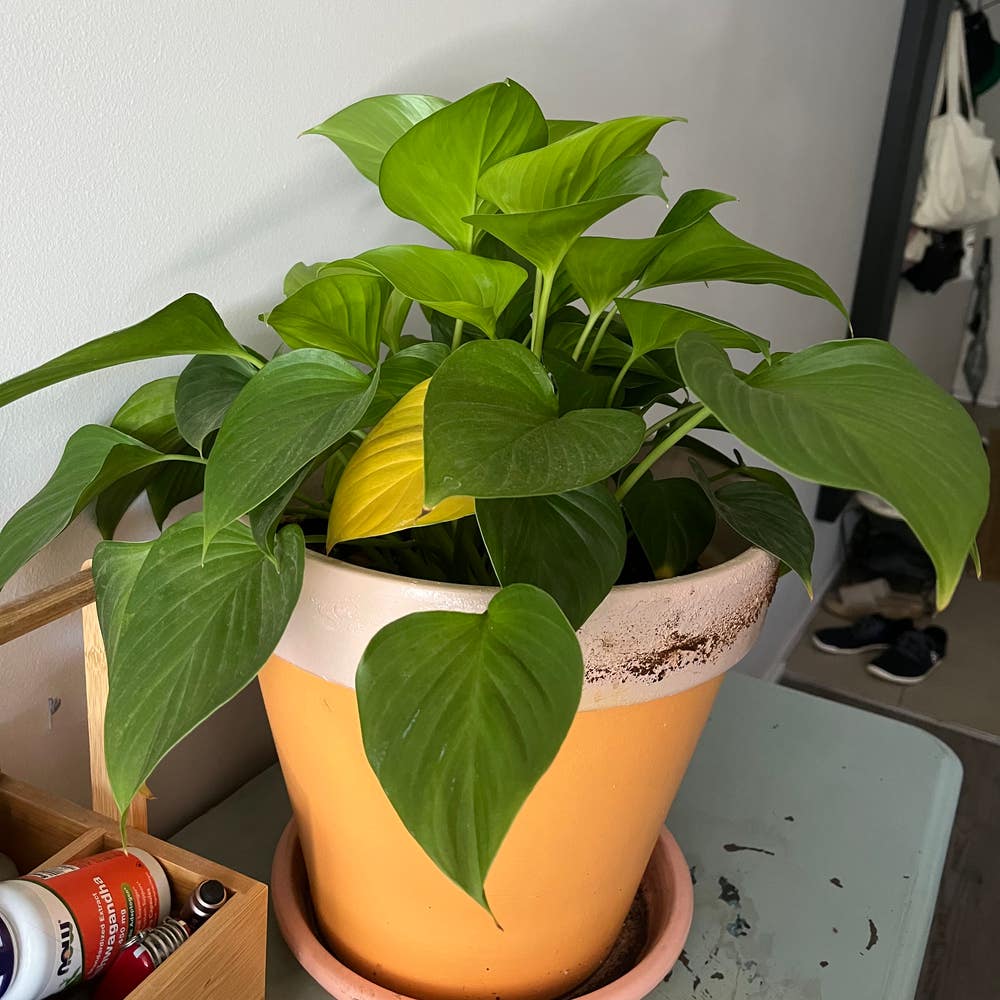
❤️ Dealing with Droopy Leaves on Your Queen of Hearts
Homalomena rubescens ‘Maggy’
By the Greg Editorial Team
Sep 30, 2024•5 min read
This article was created with the help of AI so we can cover more plants for you. May contain errors. See one? Report it here.
- 🌱 Regularly assess soil moisture to prevent droopy leaves on your Queen of Hearts.
- 🌞 Ensure bright, indirect sunlight for optimal growth and vibrant leaves.
- 🐛 Watch for pests and diseases; early intervention keeps your plant healthy.
Diagnosing the Problem
Assessing Soil Moisture Levels 🌧️
Understanding soil moisture is crucial for your Queen of Hearts.
Techniques for Checking Moisture
Start with the finger test: insert your finger 1-2 inches into the soil. If it feels dry, it’s time to water. Alternatively, use a soil moisture meter for a more accurate reading.
Signs of Proper vs. Improper Moisture Levels
Healthy soil should feel moist but not soggy. If the soil is overly dry or wet, it can lead to droopy leaves, signaling a need for adjustment.
Checking for Pests and Diseases 🐛
Pests and diseases can wreak havoc on your plant's health.
Common Pests Affecting Queen of Hearts
Look out for spider mites; they leave webbing and cause stippled leaves. Mealybugs appear as cotton-like masses on stems and leaves, indicating an infestation.
Disease Indicators
Fungal infections often manifest as black spots or mold on leaves. Bacterial infections can cause wilting and discoloration, both of which require immediate attention.
Evaluating Light Conditions ☀️
Light exposure plays a vital role in your plant’s vitality.
Ideal Light Exposure for Queen of Hearts
Your plant thrives in bright, indirect sunlight. If you notice stretching stems or pale leaves, it may not be getting enough light.
Adjusting Light Conditions
Consider moving your plant closer to a light source. If natural light is insufficient, using grow lights can help maintain its health and vibrancy.
By diagnosing these key areas, you can effectively address the droopy leaves on your Queen of Hearts. Next, let’s explore practical solutions to revive your plant!
Solutions for Droopy Leaves
🌊 Adjusting Watering Practices
Establishing a consistent watering schedule is crucial for your Queen of Hearts. Aim to water every 1-2 weeks, adjusting based on the moisture levels in the soil.
To ensure thorough watering, soak the soil until water drains from the bottom of the pot. After watering, keep an eye on your plant's leaves; they should perk up within a few hours if hydration was the issue.
🪴 Improving Soil Drainage
A well-draining soil mix is essential for preventing droopy leaves. For your Queen of Hearts, combine 50% potting soil, 30% perlite, and 20% orchid bark to create an ideal environment.
Make sure your pots have drainage holes to prevent waterlogging. If you notice persistent droopiness, consider repotting your plant to improve drainage.
💧 Increasing Humidity Levels
Humidity plays a significant role in the health of your Queen of Hearts. To boost humidity, use a humidifier, especially during dry seasons.
Alternatively, create a pebble tray by placing your pot on a tray filled with water and pebbles. Healthy humidity levels will show in your plant's leaf texture and color, making them vibrant and lush.
☀️ Correcting Light Exposure
Proper light exposure is vital for your plant's well-being. Position your Queen of Hearts near east or north-facing windows to provide bright, indirect sunlight.
Avoid direct sunlight, as it can lead to leaf burn. If the light is too harsh, consider using sheer curtains to soften the rays and protect your plant.
By addressing these key areas, you can help your Queen of Hearts thrive and prevent droopy leaves from becoming a recurring issue. Next, let’s explore some preventative measures to keep your plant healthy in the long run.
Preventative Measures
Best Practices for Watering 🌊
Establishing a consistent watering routine is crucial for your Queen of Hearts. Always check the soil moisture before watering to ensure you're not over or under-watering.
Adjust the frequency based on seasonal changes. During warmer months, your plant may need more water, while in cooler months, it may require less.
Using room temperature water is essential. Cold water can shock the roots, leading to stress and droopy leaves.
Ideal Soil Mix for Queen of Hearts 🌱
A well-draining soil mix is vital for the health of your plant. Aim for a blend of 50% potting soil, 30% perlite, and 20% orchid bark to promote aeration and drainage.
Proper aeration prevents root rot and encourages healthy growth. Ensure your pot has drainage holes to allow excess water to escape.
Maintaining Optimal Humidity and Temperature 🌡️
Monitoring your indoor climate is key to keeping your Queen of Hearts thriving. Use hygrometers to check humidity levels regularly.
The ideal temperature range for healthy growth is between 65°F and 80°F. Adjust your care routine seasonally to accommodate changes in temperature and humidity.
In winter, consider using a humidifier to maintain moisture levels. During summer, ensure your plant isn't exposed to direct sunlight for too long, as this can lead to stress.
By following these preventative measures, you can create a nurturing environment for your Queen of Hearts. This proactive approach will help you avoid droopy leaves and promote vibrant growth.
Monitoring Plant Health
Regular Checks for Signs of Stress 🌱
Daily observations are crucial for keeping your Queen of Hearts thriving. Focus on leaf color, texture, and overall vigor to spot any potential issues early.
Early intervention can make all the difference. Addressing problems promptly helps prevent further complications and keeps your plant healthy.
Importance of Proper Fertilization 🥦
A consistent fertilization schedule is vital for robust growth. Aim to fertilize every 4-6 weeks during the growing season with balanced NPK options.
Watch for signs of nutrient deficiencies, such as yellowing leaves and stunted growth. These indicators signal that your plant may need a nutrient boost.
Seasonal Care Adjustments ☀️
Adapting care based on seasonal changes is essential for optimal health. In winter, reduce watering and maintain humidity to accommodate the plant's slower growth.
During summer, increase watering and adjust light exposure as needed. Always monitor your plant's response to these seasonal shifts to ensure it remains vibrant and healthy.
⚠️ Safety First
This content is for general information and may contain errors, omissions, or outdated details. It is not medical, veterinary advice, or an endorsement of therapeutic claims.
Always consult a qualified healthcare professional before using any plant as food, medicine, or supplement.
Never eat any plant (or feed one to pets) without confirming its identity with at least two trusted sources.
If you suspect poisoning, call Poison Control (800) 222-1222, the Pet Poison Helpline (800) 213-6680, or your local emergency service immediately.
Spotted an error? Please report it here.
Keep your Queen of Hearts vibrant and happy 🌿 by using Greg's tailored care reminders to ensure proper watering and light, preventing those pesky droopy leaves!