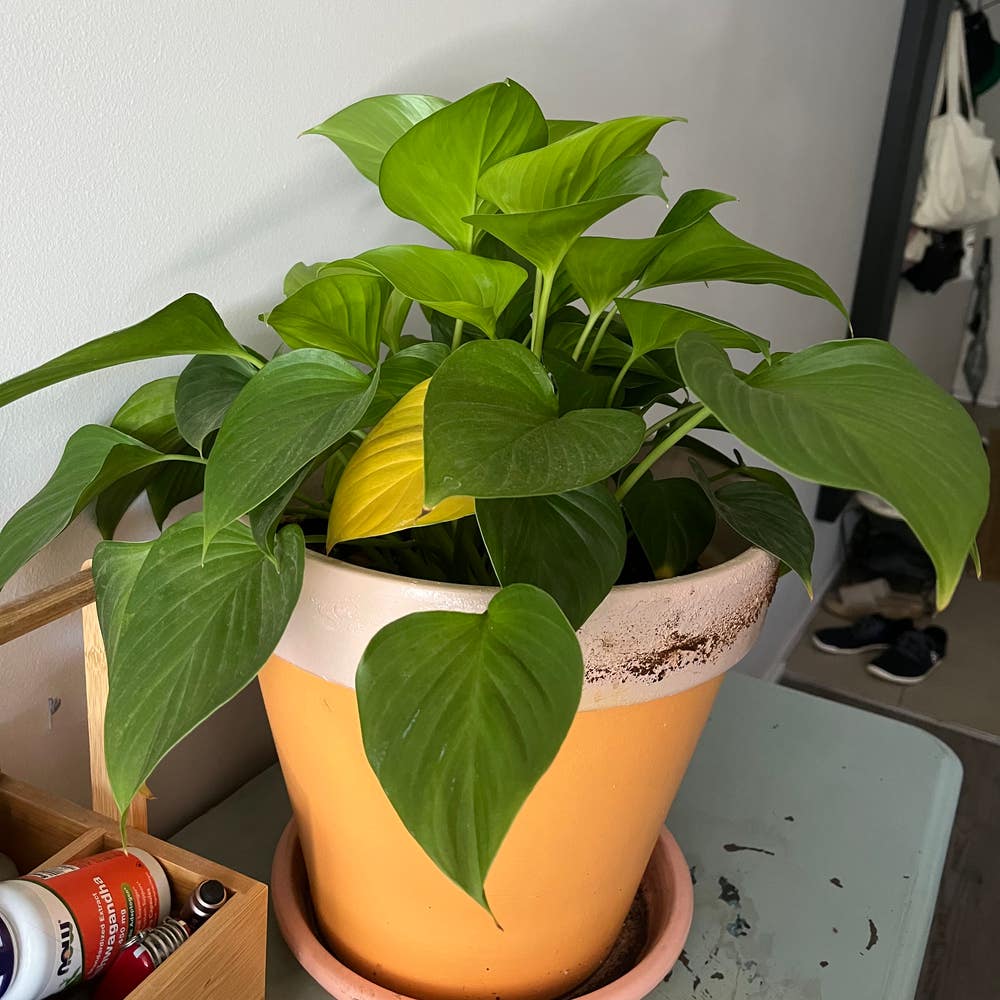
Why Is My Homalomena Maggy Not Doing Well?
Homalomena rubescens ‘Maggy’
By the Greg Editorial Team
Jun 18, 2024•4 min read
This article was created with the help of AI so we can cover more plants for you. May contain errors. See one? Report it here.
- Over-watering causes yellowing, under-watering leads to drooping. Use a moisture meter.
- Bright, indirect light is key for preventing pale leaves and leggy growth.
- Consistent care routine prevents stress; watch for pests and temperature extremes.
When Water Works Against You
💧 Over-watering Woes
Yellowing leaves and wilting are distress signals from your Homalomena Maggy, hinting at possible over-watering. The soil's moisture level should be your guide, not the calendar. If it feels like a marshland, it's time to back off the watering.
🚑 Steps to Rescue Your Waterlogged Maggy
- Cease watering immediately to let the soil dry out.
- Check the pot's drainage and clear any blockages.
- If the soil is excessively wet, repot with fresh, well-draining soil.
- Resume watering with a more moderate routine once the plant shows signs of recovery.
💦 Under-watering Symptoms
Drooping leaves and a dry feel are your Maggy's way of crying out for water. Before you douse it, do the finger test; if the top inch of soil is as dry as a desert, it's time to water.
💧 Quenching the Thirst: How to Rehydrate Properly
- Give your plant a thorough watering, allowing for proper drainage.
- Establish a consistent watering schedule, as regular as your morning routine.
- Use a moisture meter to avoid guesswork; water when the top inch of soil is dry.
- Remember, a light pot indicates it's time for a drink, while a heavy one suggests you've been overzealous with the watering can.

Light and Temperature: Finding the Sweet Spot
🌞 Too Much Sun, Too Little Light
Pale leaves and leggy growth are your Homalomena Maggy's way of saying it's not thrilled with its current tan. It's craving that indirect sunlight—not too harsh, not too timid, just right.
Adjusting for Happiness
To get your Maggy beaming, aim for a spot with bright, indirect light. Think of it as the plant version of a sunscreen-slathered beachgoer under an umbrella—safe from the burn but still enjoying the glow.
❄️ Temperature Tantrums
When your Maggy throws a temperature tantrum, it's not being dramatic—it's stressed. Browning and wilting are its way of telling you it's either too hot to handle or shivering cold.
Keeping it Cozy
Maintain a steady climate between 65°F and 80°F. Your Maggy isn't looking for a sauna or an ice bar experience; it wants a climate that's as consistent as your favorite coffee shop's playlist. Keep it away from drafts and direct heat sources, and you'll have a much happier plant.

Unwelcome Guests and Unseen Dangers
🐜 Pests: The Tiny Terrors
Homalomena Maggy is not immune to the scourge of pests. Vigilance is key.
🕵️ Identifying Invaders
Look out for sticky residue on leaves, a surefire sign of aphids. Spider mites leave tiny webs, while mealybugs appear as cotton-like clumps.
🪳 Evicting Pests
To oust these pests, insecticidal soap or neem oil are your go-to. Apply with the precision of a sniper, focusing on the undersides of leaves. Prevention? Quarantine new plants like they're carrying the plague.
🍄 Mold, Fungus, and Root Rot
Fungal issues are stealthy, but the signs are there if you know where to look.
🚨 Fungal Flags
Mold on the soil surface or a musty odor? Bad news. Root rot turns roots to mush—check by gently unearthing them.
🌬️ Clearing the Air and Soil
Increase airflow like your plant's life depends on it—because it does. Fungicides are your cleanup crew; use them as directed. And remember, overwatering is the root of all evil here.

Environmental Stress and Its Remedies
🌞 Leaf Scorching and Its Prevention
Leaf scorch can turn your Homalomena Maggy's leaves into crispy critters. Shield your plant from harsh direct sunlight to prevent this. Mulching helps too, keeping the soil moist and roots cool.
Pruning Scorched Leaves
Got burnt leaves? Snip them off. This isn't just to make your plant Instagram-ready; it's about redirecting energy to the healthy parts of your Maggy.
💥 The Perils of Inconsistent Care
Inconsistent care is like giving your plant whiplash. One day it's in the Sahara, the next in the Amazon.
Consistent Care Schedule
Stability is key. Establish a care routine that's as regular as your morning coffee. Your Homalomena Maggy will thank you with lush, vibrant leaves.
⚠️ Safety First
This content is for general information and may contain errors, omissions, or outdated details. It is not medical, veterinary advice, or an endorsement of therapeutic claims.
Always consult a qualified healthcare professional before using any plant as food, medicine, or supplement.
Never eat any plant (or feed one to pets) without confirming its identity with at least two trusted sources.
If you suspect poisoning, call Poison Control (800) 222-1222, the Pet Poison Helpline (800) 213-6680, or your local emergency service immediately.
Spotted an error? Please report it here.
Revive your Homalomena Maggy from the brink by sidestepping care mistakes with Greg's 🌱 custom watering and light reminders, ensuring a thriving and stress-free plant life.