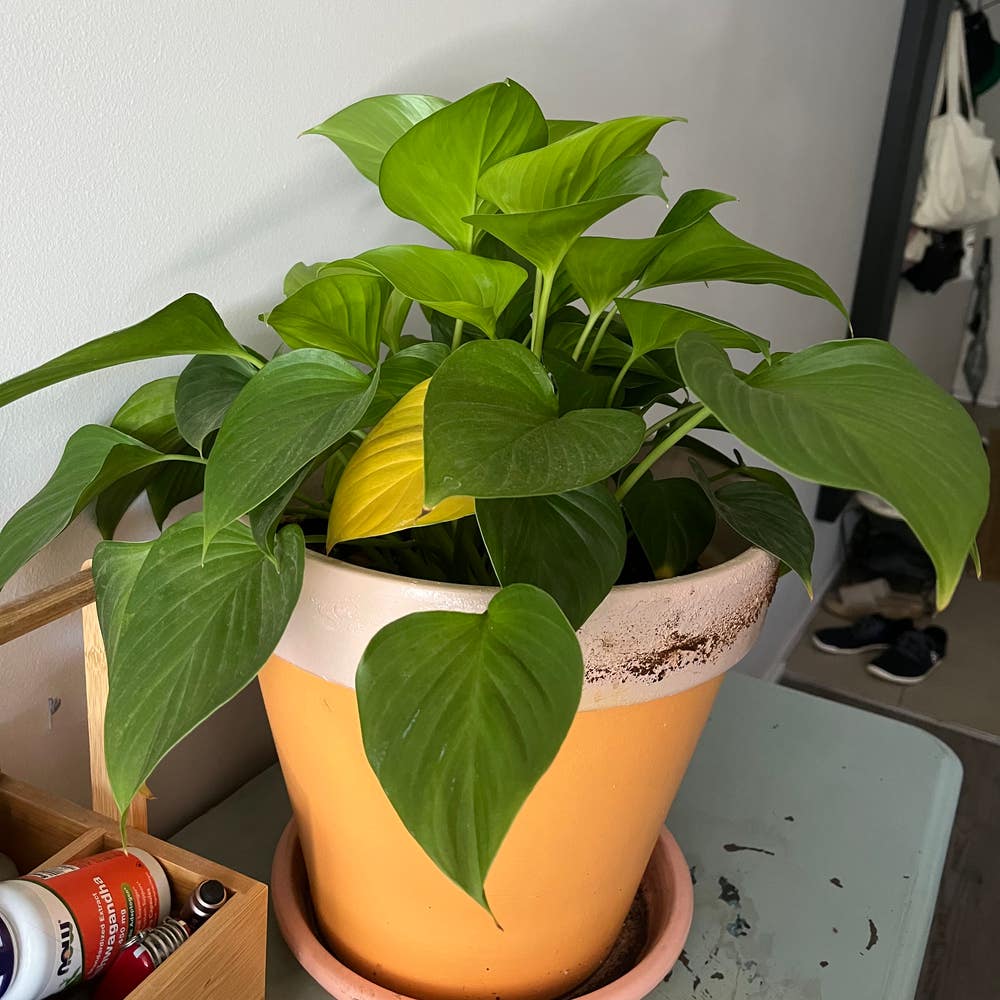
💖 How to Fix Leaves Falling Over on Your Queen of Hearts
Homalomena rubescens ‘Maggy’
By the Greg Editorial Team
Sep 30, 2024•5 min read
This article was created with the help of AI so we can cover more plants for you. May contain errors. See one? Report it here.
- 🌱 Drooping leaves indicate overwatering, underwatering, or insufficient light—adjust care accordingly.
- 💧 Check soil moisture before watering to prevent yellowing or crispy edges.
- ☀️ Bright, indirect sunlight for 6-8 hours daily keeps your Queen of Hearts thriving.
Diagnosing Leaf Droop
🌿 Identifying Symptoms of Drooping Leaves
Drooping leaves can be a distressing sight for any plant lover. Look for visual signs like leaves bending downwards or losing their turgor, which indicates a lack of water pressure within the plant cells.
Timing is crucial; you might notice these symptoms during watering cycles or after environmental changes, such as shifts in temperature or humidity.
🚰 Common Causes of Leaves Falling Over
Overwatering
Overwatering is a common culprit behind drooping leaves. Symptoms include yellowing leaves, soggy soil, and a musty smell that signals trouble.
If left unchecked, overwatering can lead to root rot, exacerbating the drooping issue and potentially harming your plant beyond recovery.
💧 Underwatering
On the flip side, underwatering can also cause leaves to droop. Look for dry, crispy leaf edges and wilting as telltale signs of insufficient moisture.
When a plant lacks water, it struggles to maintain its structure, leading to drooping leaves that can be just as concerning.
💡 Insufficient Light
Insufficient light is another factor that can lead to drooping. Stretched stems, pale leaves, and drooping are signs that your plant isn't getting enough light.
Without adequate light, photosynthesis suffers, resulting in weak growth and drooping leaves that can be hard to revive.
🌫️ High Humidity Levels
High humidity levels can create their own set of problems. Symptoms include excess moisture on leaves and potential fungal growth.
This excess moisture can lead to root rot, further contributing to the drooping of leaves and overall plant health decline.
🐛 Pest Infestations
Pest infestations can wreak havoc on your Queen of Hearts. Common pests include spider mites, aphids, and mealybugs, which can be easily overlooked.
Look for visible pests, webbing, or sticky residue on leaves as indicators of an infestation that needs immediate attention.
Understanding these symptoms and causes is the first step in restoring your plant's health. Next, we’ll explore effective solutions to address these issues and bring your Queen of Hearts back to its vibrant self.
Solutions for Leaf Droop
🌊 Adjusting watering practices
Signs of overwatering vs. underwatering
Overwatering is often indicated by soil that remains wet for too long and leaves that start to yellow. In contrast, underwatering shows up as dry soil and wilting leaves, signaling a need for more moisture.
☀️ Optimizing light conditions
Ideal light exposure
Your Queen of Hearts thrives in bright, indirect sunlight for about 6-8 hours each day. Be cautious of direct sunlight, as it can scorch those beautiful leaves.
💧 Managing humidity levels
Recommended humidity range
Aim for a humidity level between 60-80% for optimal growth. You can increase humidity using methods like pebble trays, humidifiers, or occasional misting.
🐞 Pest management strategies
Identifying and treating common pests
Regularly inspect the undersides of leaves for pests like spider mites, aphids, or mealybugs. If you spot any, consider treatment options such as neem oil, insecticidal soap, or even introducing beneficial insects to your plant's ecosystem.
With these solutions in hand, you can effectively address leaf droop and promote a healthier plant. Next, let's explore some preventative measures to keep your Queen of Hearts thriving long-term.
Preventative Measures
Best practices for ongoing care 🌱
Establishing a regular watering schedule is crucial. Always check the soil moisture before watering to avoid over or underwatering.
Fertilization plays a key role in your plant's health. Use a balanced fertilizer during the growing season to provide essential nutrients.
Seasonal adjustments to care routine 🌦️
Adjusting your care routine with the seasons can make a significant difference. In winter, reduce watering frequency and maintain humidity to support your plant's dormancy.
During summer, increase watering and ensure your Queen of Hearts receives adequate light exposure. This helps promote healthy growth during its active phase.
Importance of proper soil and drainage 🪴
Choosing the right soil type is essential. Use a well-draining potting mix to prevent root rot, which can lead to drooping leaves.
Don't overlook drainage solutions. Ensure your pots have drainage holes, and consider adding perlite to improve aeration and moisture retention.
By implementing these preventative measures, you can create a thriving environment for your Queen of Hearts, setting the stage for healthy growth and vibrant leaves. Next, let’s explore support techniques to help your plant stand tall and proud.
Support Techniques
Using stakes or supports for drooping plants 🌱
When your Queen of Hearts starts to droop, using stakes or supports can be a game changer. Options like bamboo stakes, plant ties, or even decorative supports can help your plant stand tall again.
These supports not only maintain upright growth but also prevent further drooping. They provide the stability your plant needs to thrive.
When and how to provide support ⏰
Timing is crucial when it comes to providing support. As soon as you notice drooping, it’s time to act.
To set up your support, simply insert a stake into the soil near the base of the plant. Gently tie the plant to the stake, ensuring it’s secure but not too tight to avoid damage.
With the right support, your plant can regain its strength and beauty. This proactive approach will help you maintain a healthy, vibrant Queen of Hearts.
As you implement these support techniques, remember that monitoring and maintenance are equally important for your plant's overall health.
Monitoring and Maintenance
Regular check-ups for signs of stress 🌱
To keep your Queen of Hearts thriving, conduct weekly inspections. Look for drooping leaves, discoloration, or any signs of pests.
Adjustments based on observed plant health 🔧
If you notice any issues, be ready to modify your care routine. Small changes can make a big difference in your plant's recovery.
Importance of adjusting care based on plant response 👀
Observational care is key. Pay close attention to shifts in leaf condition and growth patterns.
Flexibility in your care routine 🌈
Be prepared to adjust watering, light, and humidity as the seasons change. Your plant's needs may evolve, and staying adaptable will ensure its health.
Regular monitoring and responsive care will keep your Queen of Hearts looking its best. With a little attention, you can prevent stress and promote vibrant growth.
⚠️ Safety First
This content is for general information and may contain errors, omissions, or outdated details. It is not medical, veterinary advice, or an endorsement of therapeutic claims.
Always consult a qualified healthcare professional before using any plant as food, medicine, or supplement.
Never eat any plant (or feed one to pets) without confirming its identity with at least two trusted sources.
If you suspect poisoning, call Poison Control (800) 222-1222, the Pet Poison Helpline (800) 213-6680, or your local emergency service immediately.
Spotted an error? Please report it here.
Keep your Queen of Hearts vibrant and upright 🌿 by using Greg's personalized care reminders to adjust watering and light, ensuring she thrives in your home!