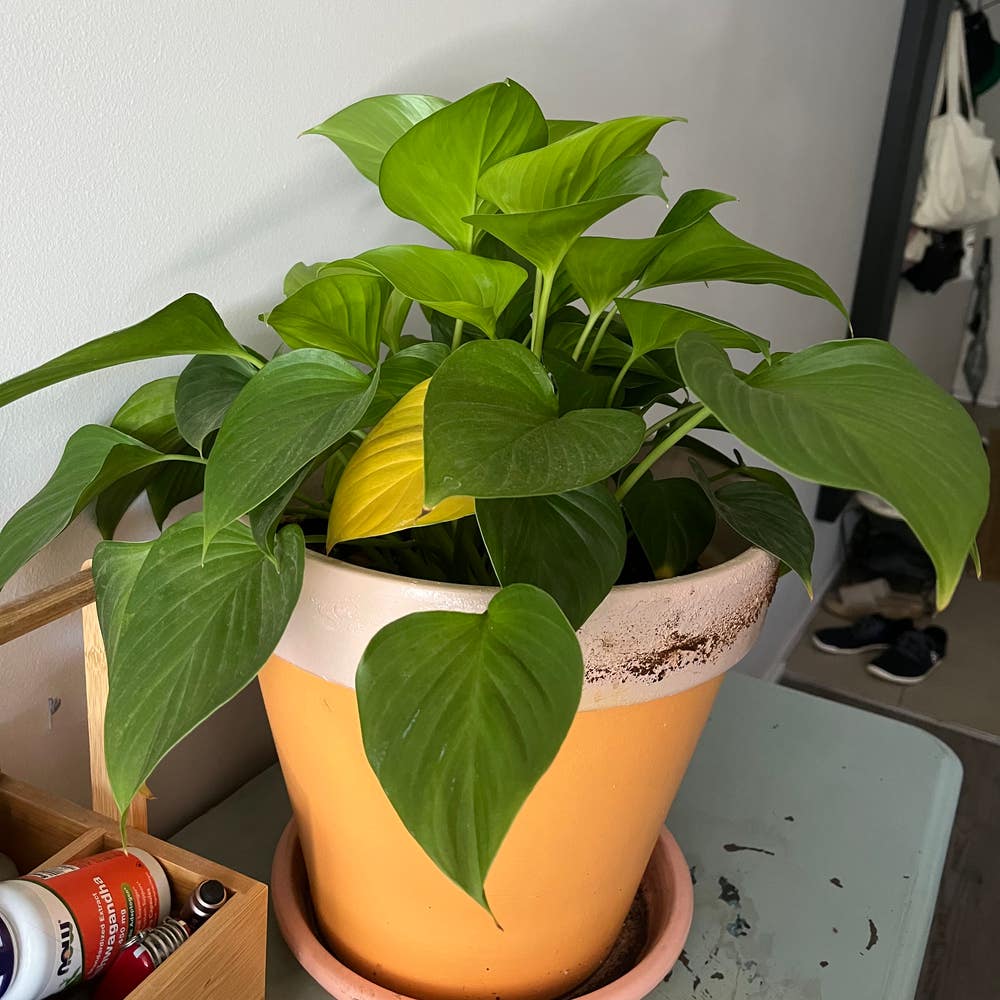
💖 Ultimate Guide to Fixing Dropping Leaves on Queen of Hearts
Homalomena rubescens ‘Maggy’
By the Greg Editorial Team
Sep 30, 2024•5 min read
This article was created with the help of AI so we can cover more plants for you. May contain errors. See one? Report it here.
- 💧 Check soil moisture before watering to prevent leaf drop from overwatering.
- 🌞 Bright, indirect light is essential; insufficient light leads to leaf drop and stretching.
- 🐛 Inspect for pests regularly; infestations can cause significant leaf drop if untreated.
Diagnosing the Problem
Assessing Watering Habits 🌊
Understanding your watering habits is crucial for your Queen of Hearts. Always check the soil moisture before watering; this prevents overwatering, which can lead to leaf drop.
Look for signs of improper watering. If the leaves are yellowing or dropping, it may indicate that the soil is either too dry or too wet.
Checking Soil Drainage and Quality 🕳️
Well-draining soil is essential for preventing root rot. If the soil retains too much moisture, your plant's roots can suffocate, leading to leaf drop.
To test drainage, perform a simple water test. Pour water into the pot and observe how quickly it drains; ideally, it should flow through within a few minutes.
Evaluating Light Conditions ☀️
Queen of Hearts thrive in bright, indirect light. If your plant is not receiving enough light, it may exhibit symptoms like stretching stems and leaf drop.
Adjusting its placement can make a significant difference. Consider moving it to a brighter spot or supplementing with grow lights during darker months.
Identifying Pest Infestations 🐜
Pests can wreak havoc on your Queen of Hearts. Common culprits include spider mites and aphids, which can lead to significant leaf drop if not addressed.
Look for signs of infestation, such as webbing, sticky residue, or visible insects on the leaves. Regular inspections can help catch these issues early, ensuring your plant stays healthy.
With these diagnostic steps, you can pinpoint the issues affecting your Queen of Hearts. Next, let’s explore effective solutions to address these problems and promote healthy growth.
Solutions for Leaf Drop
🌊 Adjusting Watering Practices
To tackle leaf drop, start by determining your plant's moisture needs. Use a moisture meter or simply test the soil with your finger.
Next, establish a watering schedule. Water your Queen of Hearts when the top inch of soil feels dry to the touch.
Lastly, avoid waterlogging by ensuring proper drainage. This will help prevent root rot, a common issue that leads to leaf drop.
💧 Improving Humidity Levels
Humidity plays a crucial role in your plant's health. Here are some effective methods to increase humidity:
- Humidifiers: These are great for maintaining consistent moisture in the air.
- Pebble trays with water: Place your pot on a tray filled with pebbles and water to create a mini-humid environment.
- Grouping plants together: This creates a microclimate, as plants release moisture into the air.
☀️ Correcting Light Exposure
Light conditions can significantly impact your plant's vitality. If your Queen of Hearts is struggling, consider adjusting its placement.
Move it to a brighter location if needed. Bright, indirect light is ideal for optimal growth.
If natural light is limited, using grow lights can be a game-changer. They supplement light during low-light seasons, ensuring your plant thrives year-round.
🐞 Treating Pests and Diseases
Regular inspections are key to identifying pests early. Look for common culprits like spider mites and aphids.
Once identified, treatment options include neem oil or insecticidal soap. Alternatively, introducing beneficial insects can help manage pest populations naturally.
By implementing these solutions, you can effectively address leaf drop and promote a healthier Queen of Hearts. Next, let’s explore some preventative measures to keep your plant thriving long-term.
Preventative Measures
Best Practices for Queen of Hearts Care 🌱
To keep your Queen of Hearts thriving, establish a regular watering schedule. Consistency in moisture levels is key to preventing stress and leaf drop.
Fertilization is equally important. Use a balanced fertilizer during the growing season to provide essential nutrients that support healthy growth.
Seasonal Care Adjustments 🌦️
As seasons change, so should your care routine. In winter, reduce watering and keep an eye out for temperature drops that could affect your plant.
During summer, increase humidity levels and check for pests more frequently. This proactive approach helps maintain a vibrant and healthy plant.
Regular Monitoring and Maintenance 🔍
Regular checks can make a world of difference. Inspect leaves and soil moisture weekly to catch any issues before they escalate.
Additionally, monthly fertilization ensures your Queen of Hearts has the nutrients it needs to flourish. Staying attentive will keep your plant in top shape.
With these preventative measures in place, you’ll be well-equipped to nurture your Queen of Hearts. Next, let’s explore the tools and products that can further enhance your plant care routine.
Tools and Products
Recommended Soil Types 🌱
For your Queen of Hearts, a well-draining potting mix is essential. This type of soil prevents water retention, which can lead to root rot.
To enhance drainage, consider adding perlite or orchid bark. These additives create air pockets, allowing roots to breathe and thrive.
Fertilizers Suitable for Queen of Hearts 🌼
Using balanced NPK fertilizers is crucial for optimal growth. A ratio like 10-10-10 provides the necessary nutrients without overwhelming your plant.
Timing is everything; fertilize during active growth periods. This ensures your Queen of Hearts gets the boost it needs when it’s most receptive.
Pest Control Options 🐞
When it comes to pest control, organic methods are often the safest bet. Neem oil and insecticidal soap can effectively tackle common pests without harming your plant.
However, if infestations escalate, you might need to consider chemical options. Use these as a last resort, ensuring you follow application guidelines closely.
By equipping yourself with the right tools and products, you can create a thriving environment for your Queen of Hearts. Now, let’s explore some preventative measures to keep your plant healthy and vibrant.
⚠️ Safety First
This content is for general information and may contain errors, omissions, or outdated details. It is not medical, veterinary advice, or an endorsement of therapeutic claims.
Always consult a qualified healthcare professional before using any plant as food, medicine, or supplement.
Never eat any plant (or feed one to pets) without confirming its identity with at least two trusted sources.
If you suspect poisoning, call Poison Control (800) 222-1222, the Pet Poison Helpline (800) 213-6680, or your local emergency service immediately.
Spotted an error? Please report it here.
Keep your Queen of Hearts thriving 🌱 by using Greg's tailored watering reminders and care tips to prevent leaf drop and promote vibrant growth!