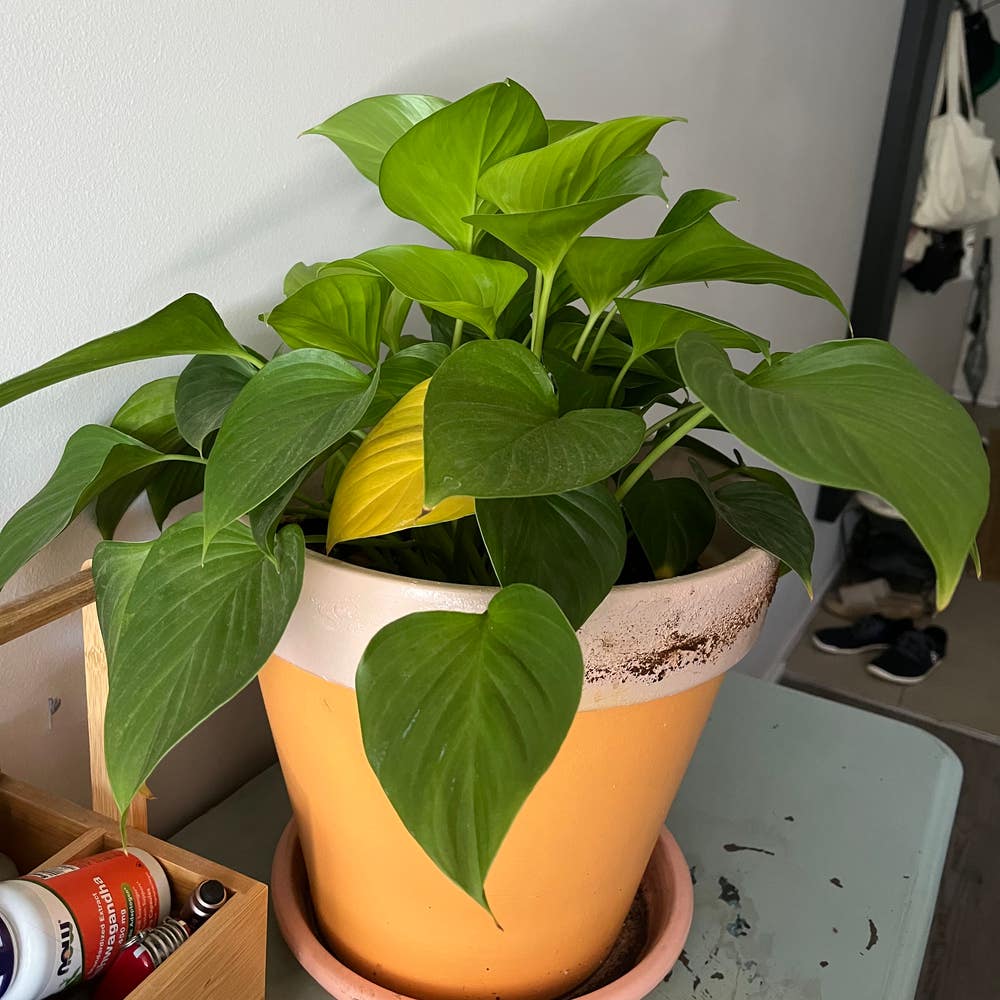
🛡️ Shield Plant Explained: Key Information
Homalomena rubescens ‘Maggy’
By the Greg Editorial Team
Jan 24, 2025•11 min read
This article was created with the help of AI so we can cover more plants for you. May contain errors. See one? Report it here.
- 🌳 Shield plants thrive in shade, needing indirect sunlight for optimal growth.
- 💧 Consistent moisture is key; avoid waterlogging to prevent root damage.
- 🌱 Fertilize every 4-6 weeks with balanced fertilizer for healthy growth.
How to Grow
Choosing a Location 🌳
For optimal growth, place your shield plant in shaded areas with indirect sunlight. This helps protect it from harsh winds and extreme temperatures, creating a more stable environment.
Soil Preparation 🌱
The ideal soil for your shield plant is rich and well-draining, enriched with organic matter. Aim for a pH level between 6.0 and 7.0, which is slightly acidic to neutral.
Planting Techniques 🌼
When planting, ensure the root ball is level with the soil surface to promote healthy growth. Space your plants 12-18 inches apart if planting outdoors to allow for adequate airflow and development.
Watering Requirements 💧
Keep the soil consistently moist but avoid waterlogging, as this can harm the roots. Using a moisture meter can help you gauge the right watering frequency for your plant.
Fertilizing Schedule 🌿
A balanced, water-soluble fertilizer is best for your shield plant. Fertilize every 4-6 weeks during the growing season to support robust growth.
Pruning Methods ✂️
Prune your shield plant in early spring before new growth begins. Focus on removing dead or damaged leaves and stems to encourage a healthy appearance.
Ongoing Care 🪴
For container care, ensure pots have drainage holes and use a quality potting mix. If your plant is outdoors, regularly monitor for pests and diseases to keep it thriving.
With these tips, you're well on your way to nurturing a healthy shield plant. Next, let’s explore how to propagate this resilient beauty!
Propagation
🧬 Methods of Propagation
Propagation is an exciting way to expand your shield plant collection. There are three primary methods: seeds, cuttings, and division.
Seeds (difficulty: moderate)
- Seed preparation: Start by soaking your seeds for 24 hours before planting. This helps to kickstart the germination process.
- Sowing depth: Plant the seeds about 1/4 inch deep in a seed-starting mix. This depth ensures they have enough soil coverage while still being close to the surface.
- Germination time: Expect germination to take 2-4 weeks at a consistent temperature of 70°F (21°C). Patience is key during this stage!
Cuttings (difficulty: easy)
- Selecting cuttings: Choose healthy stems that are 4-6 inches long. Healthy cuttings are crucial for successful rooting.
- Rooting medium: Use a mix of perlite and peat moss as your rooting medium. This combination provides excellent drainage and aeration.
- Rooting time: Allow 3-4 weeks for the cuttings to root in a warm, humid environment. Keeping the humidity high will encourage faster root development.
Division (difficulty: moderate)
- Timing: The best time to divide your shield plants is in spring or early fall. This timing allows the plants to recover quickly.
- Method: Carefully separate the clumps of the plant and replant them immediately. Make sure each division has a healthy root system to thrive.
Propagation not only allows you to grow more plants but also deepens your connection with this resilient species. With these methods, you can easily multiply your shield plants and share them with friends or beautify your garden even further.
Next, let’s explore the lifecycle of the shield plant and understand its growth stages.
Lifecycle
Germination 🌱
Germination is the first crucial step in the lifecycle of the shield plant. Expect seeds to sprout within 2-4 weeks under optimal conditions.
Seedling Stage 🌿
Once germinated, the plant enters the seedling stage, lasting about 4-6 weeks. During this time, the plant develops its first true leaves, marking its transition to a more established growth phase.
Vegetative Growth 🌳
Following the seedling stage, the shield plant enters a period of vegetative growth. This phase can last several months, characterized by vigorous leaf and stem development.
Flowering 🌸
As summer wanes, typically in late summer to early fall, the shield plant begins to flower. This beautiful display is not just for aesthetics; it plays a vital role in the plant's reproductive cycle.
Seed Production 🌾
After flowering, the plant focuses on seed production. Seeds develop and are ready for harvest in late fall, completing the lifecycle and allowing for propagation.
Duration Until Maturity ⏳
From seed to maturity, the shield plant takes approximately 6-12 months. This timeframe can vary based on environmental conditions and care.
Growth Speed ⚡️
The average growth rate of the shield plant is moderate. However, with optimal care, you may witness faster growth, rewarding your efforts with lush foliage and vibrant blooms.
This lifecycle overview highlights the fascinating journey of the shield plant from seed to maturity. Understanding these stages can enhance your gardening experience and help you provide the best care possible. Next, let’s explore the size of the shield plant and what to expect as it grows.
Size
Mature Height and Spread 🌱
The shield plant typically reaches an average height of 2-3 feet tall. Its spread is generally about 1-2 feet wide, making it a manageable addition to various garden spaces.
Growth Rate and Time to Full Size ⏳
Under ideal conditions, the shield plant can achieve its full size within 1-2 years. This moderate growth rate allows for a relatively quick establishment in your garden.
Size Variability 📏
Several factors can influence the size of your shield plant. Light availability, water levels, and nutrient content in the soil all play crucial roles in determining how robust your plant will grow.
Understanding these elements can help you create the optimal environment for your shield plant, ensuring it thrives beautifully in your garden.
As we explore the next section, let's dive into the fascinating lifecycle of the shield plant and how it develops from seed to maturity.
Roots
Characteristics of the Root System 🌱
The shield plant features a fibrous root system that is typically shallow, spreading outwards. This structure allows the plant to efficiently absorb nutrients and water from the top layers of soil.
Common Root-Related Issues 🚫
Root rot is a common problem caused by overwatering, which can suffocate the roots. To prevent this, ensure proper drainage in your pots or garden beds.
Squishy roots are another sign of poor health. If you notice this, adjust your watering practices to allow the roots to recover.
Identifying Healthy vs. Unhealthy Roots 🔍
Healthy roots are firm, white, and spread evenly throughout the soil. In contrast, unhealthy roots appear dark, mushy, or may even emit a foul smell.
Recognizing and Addressing Rootbound Conditions 🪴
One clear sign of rootbound conditions is roots growing out of the drainage holes of your pot. If you see this, it’s time to repot into a larger container or divide the plant to give it more space to thrive.
Understanding the root system of your shield plant is crucial for its overall health. By keeping an eye on root conditions, you can ensure your plant remains vibrant and flourishing.
Next, let’s explore the numerous benefits that come with growing this remarkable plant.
Benefits
Top 5 Benefits 🌟
1. Air Purification
Shield plants are champions at improving indoor air quality. They filter out toxins, making your living space healthier and more inviting.
2. Aesthetic Appeal
These plants bring vibrant color and texture to any garden. Their lush foliage can transform a dull space into a lively oasis.
3. Humidity Regulation
Shield plants help maintain moisture levels in the environment. This is especially beneficial in dry climates or during winter months when indoor air can become stale.
4. Medicinal Uses
Traditionally, shield plants have been used for various health benefits. They are known for their soothing properties and can be incorporated into natural remedies.
5. Cultural Significance
In many cultures, shield plants symbolize protection. They are often associated with good fortune and are used in rituals to ward off negativity.
These benefits make shield plants not just a pretty addition to your home or garden, but also a practical choice for enhancing your environment. As we explore the next section, you'll discover how to pair these plants with companions that will further enrich your gardening experience.
Companion Plants
🌱 Concept of Companion Planting
Companion planting is a gardening strategy that promotes plant diversity, enhances pest management, and boosts overall plant health. By selecting the right companions, you can create a thriving ecosystem in your garden.
🌼 Best Companion Plants
When choosing companions for your shield plant, consider these excellent options:
Ferns
Ferns thrive in similar humidity and light conditions, making them ideal companions. Their lush foliage adds a beautiful contrast to the shield plant.
Caladium
Caladiums offer vibrant colors and unique textures that complement the shield plant beautifully. Their striking leaves can enhance the visual appeal of your garden.
Impatiens
Impatiens are fantastic for attracting beneficial pollinators, which can help your shield plant flourish. Their bright blooms create a lively atmosphere in any garden setting.
🚫 Plants to Avoid
While some plants work well together, others can hinder growth. Avoid planting cacti near your shield plant, as they compete for moisture and prefer dry conditions. Keeping these incompatible plants apart ensures a healthier garden environment.
By carefully selecting companion plants, you can enhance the beauty and vitality of your shield plant while fostering a balanced ecosystem. Next, let’s explore common problems that may arise in your gardening journey.
Problems
Common Problems 🌱
Incorrect Watering
Watering is crucial for shield plants, but getting it right can be tricky. Overwatering leads to yellowing leaves, while underwatering causes wilting.
To fix these issues, adjust your watering frequency based on the soil's moisture level. A moisture meter can be a handy tool for this.
Incorrect Light Conditions
Light conditions significantly impact plant health. If your shield plant exhibits leggy growth, it may not be getting enough light, while leaf scorch indicates too much direct sunlight.
To remedy this, simply move your plant to a more suitable location that meets its light requirements.
Diseases
Fungal diseases like powdery mildew and rust can plague shield plants. These issues often arise from poor air circulation around the plant.
Prevent these diseases by ensuring good airflow and applying fungicides as needed. Regular checks can help catch problems early.
Root Problems
Root health is vital for overall plant vitality. Symptoms of root rot include a general decline in plant health and wilting, often due to overwatering.
To remedy root issues, improve drainage and adjust your watering practices. Ensuring your pot has adequate drainage holes is essential.
Leaf Issues
Leaf problems can manifest as yellowing or fuzzy growth. These symptoms often indicate underlying issues, such as pests or diseases.
Inspect your plant closely to identify any pests and treat them promptly. Regular monitoring can help maintain leaf health and vibrancy.
With these insights, you can tackle common shield plant problems effectively. Next, let’s explore the potential pest issues that may affect your plant’s health.
Bugs
Potential Pest Issues 🐛
Pests can be a real headache for shield plant enthusiasts. Understanding how to identify and treat these common pests is crucial for maintaining healthy plants.
Spider Mites
Spider mites are notorious for their fine webbing on leaves. If you notice this, your plant may be suffering from leaf discoloration and drop.
To combat spider mites, increase humidity around your plant and apply miticides as needed. Keeping the environment moist can deter these pesky invaders.
Scale Insects
Scale insects appear as small, brown, scale-like bumps on stems. They weaken your plant by sucking sap, leading to stunted growth.
For treatment, use insecticidal soap to control scale populations effectively. Regular monitoring can help catch these pests early.
Mealybugs
Mealybugs are easily identifiable by their white, cottony masses on leaves. These pests can cause significant leaf drop and hinder growth.
To remove mealybugs, you can either pick them off by hand or apply neem oil for a more thorough treatment. Staying vigilant can prevent infestations from escalating.
By recognizing these pests and implementing effective treatments, you can keep your shield plant thriving. Next, let’s explore what animals might be munching on your plants.
What Eats Shield Plant
Common Animals 🦌
Deer
Deer are notorious for their love of garden plants, and shield plants are no exception. Look for grazed leaves and tracks as signs of their presence, and consider using fencing or deer repellents to keep them at bay.
Rabbits
Rabbits can be quite the nuisance, often leaving behind cut leaves and droppings. To deter these furry friends, use repellents and physical barriers around your plants.
Squirrels
Squirrels are mischievous creatures that may chew on stems and dig around roots. If you notice chewed stems, it's time to employ repellents and traps to protect your shield plants.
Birds
Birds can also pose a threat, especially when they peck at leaves or build nests nearby. To safeguard your plants, consider using netting or reflective objects to deter them.
Rodents
Rodents, including mice and rats, can cause significant damage by gnawing on stems and burrowing around roots. Setting traps and encouraging natural predators can help manage these pests.
Groundhogs
Groundhogs can wreak havoc on your garden, leaving large holes and eaten foliage in their wake. Fencing and repellents are effective methods to keep these larger pests away from your shield plants.
In summary, various animals can threaten your shield plants, but with proactive measures, you can protect your garden and enjoy the beauty of these resilient plants. Next, let’s explore common problems that might arise while caring for your shield plant.
⚠️ Safety First
This content is for general information and may contain errors, omissions, or outdated details. It is not medical, veterinary advice, or an endorsement of therapeutic claims.
Always consult a qualified healthcare professional before using any plant as food, medicine, or supplement.
Never eat any plant (or feed one to pets) without confirming its identity with at least two trusted sources.
If you suspect poisoning, call Poison Control (800) 222-1222, the Pet Poison Helpline (800) 213-6680, or your local emergency service immediately.
Spotted an error? Please report it here.
Cultivate thriving shield plants 🌱 with Greg's personalized care tips and watering reminders, ensuring your indoor garden flourishes while enhancing your space and air quality!