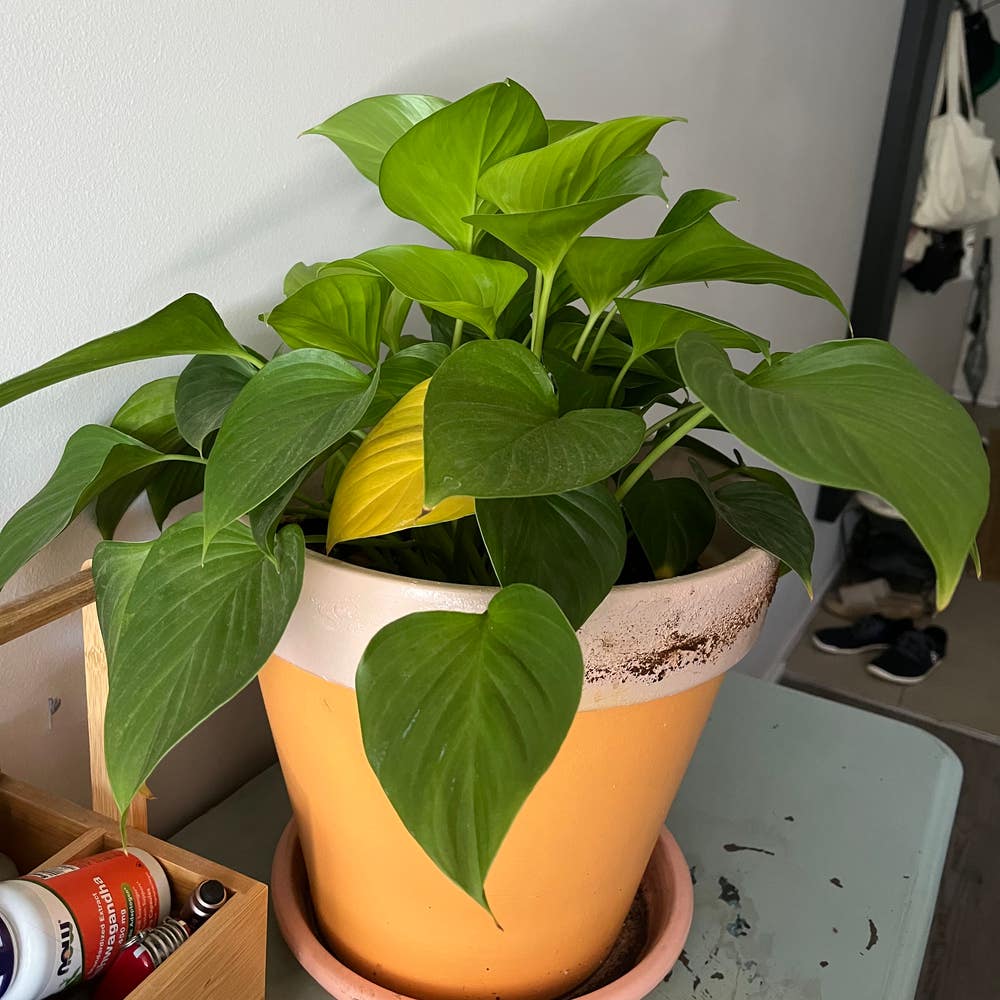
❤️ Queen of Hearts Width: What to Expect
Homalomena rubescens ‘Maggy’
By the Greg Editorial Team
Sep 30, 2024•6 min read
This article was created with the help of AI so we can cover more plants for you. May contain errors. See one? Report it here.
- 🌱 Queen of Hearts grows 2-4 feet tall and spreads 3-5 feet wide.
- 🌞 Full sun and well-draining soil are crucial for optimal growth.
- 🪴 Pruning and container growth help manage size effectively.
Mature Height and Spread
Mature Height 🌱
The Queen of Hearts typically reaches a height between 2 to 4 feet (60 to 120 cm). This range can vary based on several factors, including genetics, environmental conditions, and care practices.
Factors Influencing Height 📏
Genetics play a crucial role in determining how tall your plant will grow. Additionally, the environment—such as soil quality and light exposure—along with your care routine, can significantly impact its height.
Mature Spread 🌿
At maturity, the average spread of the Queen of Hearts is about 3 to 5 feet (90 to 150 cm). This plant has a natural tendency to spread wide, so providing ample space is essential for optimal growth.
Growth Habit 🌳
Due to its wide growth habit, the Queen of Hearts thrives best when given room to expand. This not only enhances its beauty but also promotes healthier growth overall.
Understanding the mature height and spread of the Queen of Hearts is vital for planning your garden layout. With the right conditions and care, you can enjoy a stunning display of this vibrant plant.
Next, let’s explore the growth rate and time to maturity, so you can anticipate how quickly your Queen of Hearts will flourish.
Growth Rate and Time to Maturity
Growth Rate 🌱
The Queen of Hearts plant boasts a moderate growth rate, typically reaching about 12 to 24 inches (30 to 60 cm) per year under ideal conditions. This growth can be influenced by several factors, including soil quality, light exposure, and watering practices.
Soil Quality 🏵️
Nutrient-rich, well-draining soil is essential for optimal growth. Poor soil can stunt the plant's development, leading to disappointing results.
Light Exposure ☀️
Full sun is ideal for the Queen of Hearts, as insufficient light can result in leggy growth. Ensuring your plant receives adequate sunlight will significantly enhance its growth rate.
Watering Practices 💧
Consistent moisture is key, but overwatering can be detrimental. Proper drainage is crucial to prevent root rot and stunted growth.
Time to Maturity ⏳
Typically, the Queen of Hearts takes about 3 to 5 years to reach its full size. However, this timeframe can vary based on environmental factors and the level of care provided.
Environmental Variability 🌍
Changes in climate, temperature, and care practices can all affect how quickly your plant matures. Keeping a close eye on these factors will help you achieve the best results.
Understanding the growth rate and time to maturity of the Queen of Hearts will set you up for success. With the right conditions, you can enjoy a thriving plant that adds beauty to your space.
Next, let’s explore how different environmental conditions can impact the size of your Queen of Hearts.
Size Variability Based on Conditions
🌍 Environmental Impact on Size
Soil quality plays a crucial role in determining the size of your Queen of Hearts plant. Nutrient-rich, well-draining soil promotes optimal growth, allowing the plant to flourish.
Conversely, poor soil quality can stunt growth and reduce size. If the soil lacks essential nutrients, your plant may struggle to reach its full potential.
☀️ Light Requirements
Light exposure significantly impacts growth and final dimensions. Full sun encourages robust growth, while partial shade can limit size.
Insufficient light often leads to leggy growth, resulting in a less compact plant. Ensuring your Queen of Hearts gets enough sunlight is key to achieving its ideal size.
💧 Watering Practices
Watering practices are vital for maintaining plant health and size. Consistent moisture supports healthy growth, but overwatering can be detrimental.
Proper drainage is essential to prevent root rot, which can stunt growth. Striking the right balance in watering will help your plant thrive.
🌡️ Climate and Temperature Effects
Temperature also affects the growth of your Queen of Hearts. The ideal range is between 65°F to 85°F (18°C to 29°C).
Extreme temperatures can hinder growth and impact mature dimensions. Keeping your plant within this temperature range will help it reach its full size potential.
Understanding these factors will empower you to create the best environment for your Queen of Hearts. Next, let’s explore the fascinating world of dwarf and giant varieties.
Dwarf and Giant Varieties
Dwarf Varieties 🌱
Dwarf varieties of the Queen of Hearts are compact, typically growing to under 2 feet (60 cm). These plants are perfect for smaller spaces or container gardening, allowing you to enjoy their beauty without needing a sprawling garden.
Giant Varieties 🌳
On the other end of the spectrum, giant varieties can exceed 5 feet (150 cm) in both height and spread. When considering these impressive plants, keep in mind their space requirements and care needs to ensure they thrive in your garden.
Understanding the differences between dwarf and giant varieties helps you choose the right fit for your gardening style and available space. Whether you opt for a petite beauty or a towering giant, both can bring unique charm to your landscape.
Next, let’s explore how to control the size of your plants through various techniques.
Controlling Size
✂️ Pruning Techniques
Pruning is essential for controlling the size of your Queen of Hearts plants. It encourages bushier growth and helps limit their height, making them more manageable in your garden.
For the best results, schedule your pruning for early spring, just before new growth begins. This timing allows the plant to bounce back quickly and thrive throughout the growing season.
🪴 Container Growing for Size Control
Growing Queen of Hearts in containers is a fantastic way to manage their size. Containers restrict root growth, which in turn limits the overall size of the plant.
Aim for containers that are at least 12 inches (30 cm) in diameter. This size provides enough room for healthy growth while keeping the plant compact.
🌱 Fertilization Impact on Growth
Fertilization plays a crucial role in size control. Balanced nutrients ensure healthy growth, helping you maintain the desired dimensions of your plants.
Opt for slow-release fertilizers to promote steady growth over time. This approach minimizes the risk of over-fertilization, which can lead to excessive size and unwanted leggy growth.
Controlling the size of your Queen of Hearts plants not only enhances their appearance but also ensures they fit well within your garden space. Next, let’s explore some common misconceptions about these beautiful plants.
Common Misconceptions
🌱 Myths about Size Expectations
Many gardeners hold misconceptions about the mature height and spread of the Queen of Hearts plant. It's crucial to understand that the typical height ranges from 2 to 4 feet, depending on various factors.
Realistic expectations are essential. If you’re aiming for a lush garden, consider how environmental conditions will influence growth.
⏳ Clarifying Growth Rate Misunderstandings
Another common misunderstanding revolves around growth rates and the time it takes to reach maturity. While the average growth rate is moderate, around 12 to 24 inches per year, this can vary significantly.
Environmental factors, such as soil quality and light exposure, play a vital role in determining how quickly your plant will thrive. Understanding these nuances can help you better manage your expectations and care practices.
In summary, being informed about these misconceptions can lead to a more successful gardening experience. With the right knowledge, you can cultivate a thriving Queen of Hearts that meets your vision.
⚠️ Safety First
This content is for general information and may contain errors, omissions, or outdated details. It is not medical, veterinary advice, or an endorsement of therapeutic claims.
Always consult a qualified healthcare professional before using any plant as food, medicine, or supplement.
Never eat any plant (or feed one to pets) without confirming its identity with at least two trusted sources.
If you suspect poisoning, call Poison Control (800) 222-1222, the Pet Poison Helpline (800) 213-6680, or your local emergency service immediately.
Spotted an error? Please report it here.
Set your Queen of Hearts up for success 🌱 with Greg's tailored care reminders and expert tips to help you navigate its growth journey effortlessly!