Determining What Might Be Eating Your Pigface 🐷
Carpobrotus glaucescens
By the Greg Editorial Team
Nov 26, 2024•8 min read
This article was created with the help of AI so we can cover more plants for you. May contain errors. See one? Report it here.
Protect your beautiful Pigface plants from hungry herbivores while inviting beneficial wildlife into your garden! 🌼
- 🌼 Pigface attracts wildlife with its succulent leaves and colorful flowers, making it vulnerable.
- 🐾 Common herbivores like deer, rabbits, and squirrels can damage Pigface significantly.
- 🚫 Effective deterrents include fencing, repellents, and companion planting to protect Pigface.
Pigface Appearance and Appeal to Animals
🌿 Description of Pigface Appearance
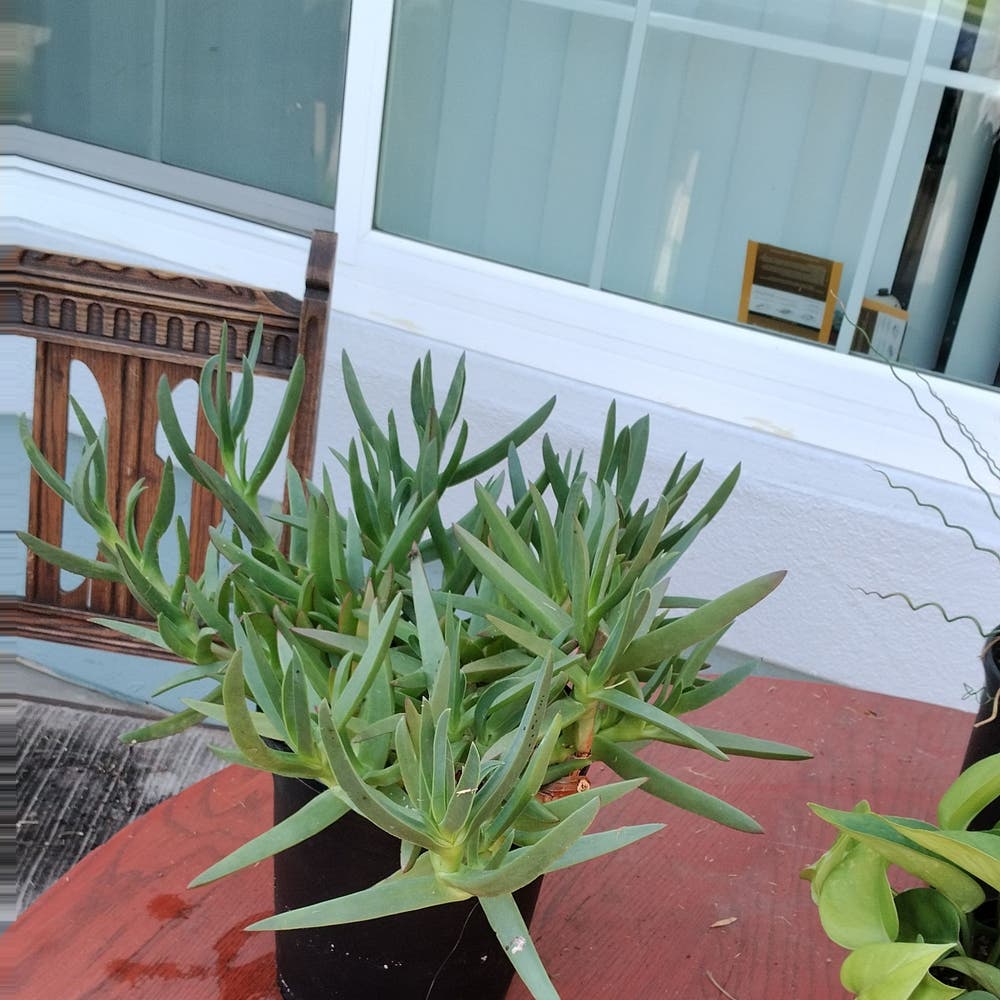
Pigface is a striking plant, known for its fleshy, succulent leaves that range from vibrant green to deep purple. Its daisy-like flowers bloom in a variety of colors, including pink, yellow, and white, creating a stunning visual display that attracts both human admirers and wildlife.
🍇 Most Appealing Parts of Pigface to Animals
The allure of Pigface extends beyond its looks. Animals are particularly drawn to its juicy, fleshy fruits, which are rich in moisture and provide a refreshing snack.
🌸 Flowers and Young Shoots
The flowers not only attract pollinators but also entice herbivores, making them a target for hungry creatures. Additionally, the young shoots are tender and nutritious, often becoming a favorite among various herbivores seeking a delicious meal.
In summary, the combination of Pigface's appealing appearance and its succulent parts makes it a magnet for a range of animals. Understanding this attraction is crucial for anyone looking to protect their Pigface plants from potential herbivore damage.
Next, we will explore the common herbivores that may pose a threat to your Pigface and how to identify their presence.
Common Herbivores
🦌 Deer
Signs of presence and damage caused
Deer are often the first culprits when it comes to damage to Pigface. Look for hoof prints in the soil and evidence of browsing, such as leaves and flowers stripped from the plant.
Beneficial vs. harmful interaction
While deer may seem harmless, their presence is generally harmful. They can lead to significant plant damage and reduced growth, making them a serious concern for gardeners.
Deterrent methods
To keep deer at bay, consider using chemical deterrents like commercial repellents containing putrescent egg solids. Alternatively, you can plant deer-resistant companion plants or scatter human hair and soap shavings around your garden to deter them.
🐇 Rabbits
Signs of presence and damage caused
Rabbits leave behind small, round droppings near the plant, along with clean-cut gnaw marks on leaves and stems. These signs indicate they are munching on your Pigface.
Beneficial vs. harmful interaction
Rabbits are generally harmful to your plants. They can decimate young plants, hindering their growth and overall health.
Deterrent methods
To deter rabbits, use bitter-tasting sprays as chemical deterrents. For an organic approach, install fencing that is at least 2 feet high and consider using repellents like cayenne pepper.
🐿️ Squirrels
Signs of presence and damage caused
Squirrels can be quite destructive, leaving behind scratches on the bark and digging around the base of the plant. Chewed leaves and flowers are clear evidence of their feeding habits.
Beneficial vs. harmful interaction
Like many other herbivores, squirrels are generally harmful. Their activities can cause significant damage to your Pigface plants.
Deterrent methods
To combat squirrels, try using commercial squirrel repellents as a chemical deterrent. Organic methods include scare tactics such as reflective tape or noise-making devices to keep them away.
🐦 Birds
Signs of presence and damage caused
Birds can be both friends and foes. Look for pecking marks that create holes in leaves and flowers, as well as nearby nests indicating their attraction to the area.
Beneficial vs. harmful interaction
Birds have a mixed impact on Pigface. While they can damage flowers, they also play a crucial role in pollination, making their presence beneficial in some ways.
Deterrent methods
For a balanced approach, use non-toxic bird repellents as chemical deterrents. Organic methods like netting over plants or visual deterrents, such as shiny objects, can also help protect your garden.
🐭 Rodents
Signs of presence and damage caused
Rodents are sneaky little pests that leave signs of tunneling with burrows near the plant base. Chewed roots and stems indicate they are feeding on your Pigface.
Beneficial vs. harmful interaction
Rodents are generally harmful, as they can severely damage root systems. Their presence can threaten the overall health of your plants.
Deterrent methods
To manage rodent issues, consider using rodent bait stations as a chemical deterrent. For an organic solution, traps and planting deterrent plants like mint can be effective.
🦡 Groundhogs
Signs of presence and damage caused
Groundhogs are easy to spot by their large burrows near the plant or garden area. They cause significant damage by browsing on stems and leaves.
Beneficial vs. harmful interaction
Groundhogs are generally harmful, as they can destroy entire patches of Pigface. Their appetite can lead to devastating losses in your garden.
Deterrent methods
To deter groundhogs, use commercial repellents specifically designed for them as a chemical method. Organic options include fencing that is at least 3 feet high and buried underground, along with using castor oil to repel them.
Understanding these common herbivores and their interactions with Pigface is crucial for maintaining a healthy garden. By implementing effective deterrent methods, you can protect your plants and encourage a thriving ecosystem. Next, let’s explore the beneficial animals that can positively impact your Pigface garden.
Beneficial Animals and Ecological Impact
Positive Interactions with Pigface 🌼
Pigface isn't just a feast for herbivores; it also plays a crucial role in supporting beneficial wildlife. Pollinators like bees and butterflies are drawn to its vibrant flowers, helping to ensure the plant's reproduction.
Birds, attracted by the juicy fruits, act as seed dispersers. As they consume the fruits, they help spread Pigface seeds across the landscape, promoting growth in new areas.
Role of Beneficial Insects and Pollinators 🐝
Maintaining a habitat for beneficial insects is vital for promoting biodiversity. These insects not only assist in pollination but also contribute to a balanced ecosystem.
To attract these helpful creatures, consider planting a diverse array of flora. This strategy creates a welcoming environment for pollinators and beneficial insects, enhancing the overall health of your garden.
By fostering these positive interactions, you can create a thriving ecosystem that benefits both your Pigface plants and the wildlife around them.
General Strategies for Protecting Pigface
🛡️ Preventive Measures for Herbivore Damage
Protecting your Pigface starts with effective preventive measures.
Fencing is a straightforward solution; installing barriers can keep larger herbivores at bay.
Companion planting is another smart tactic. By choosing plants that deter herbivores or attract beneficial insects, you create a more resilient garden ecosystem.
🐾 Reactive Solutions for Managing Animal Interactions
Monitoring your garden regularly is crucial.
Look for signs of animal activity, such as tracks or damaged leaves.
When you spot any signs, a quick response is essential. Implement deterrents immediately to minimize damage.
🌱 Maintaining a Balanced Garden Ecosystem
Understanding the role of herbivores in the ecosystem can help you appreciate their place in nature.
While they can be harmful, they also contribute to the balance of your garden.
Encouraging biodiversity is key. A diverse garden attracts beneficial insects and creates a more resilient environment for your Pigface.
By combining these strategies, you can effectively protect your Pigface while fostering a thriving garden ecosystem. Next, let’s explore seasonal considerations that affect animal interactions with your plants.
Seasonal Considerations
🌱 Seasonal Variations in Animal Attraction to Pigface
As the seasons change, so does the behavior of herbivores drawn to Pigface. In spring, the fresh growth of this succulent plant becomes a magnet for hungry animals, eager to feast on its tender leaves.
By summer, Pigface reaches its peak flowering and fruiting stages. The vibrant blooms and juicy fruits attract a variety of animals, from pollinators to herbivores, all looking to indulge in this botanical buffet.
⏰ Timing of Plant Vulnerability
Understanding when Pigface is most vulnerable can help you protect it effectively. The young shoots and flowers are particularly susceptible in early spring, as they emerge and are tender.
Additionally, late summer poses another risk, as the fruits ripen and the plant's defenses may weaken. Being aware of these critical periods allows you to take proactive measures to safeguard your Pigface from potential damage.
With this knowledge, you can better prepare for the seasonal challenges that come with maintaining a healthy garden. Next, let's explore the toxicity and safety considerations surrounding Pigface for pets and local wildlife.
Toxicity and Safety
🐾 Toxic effects of Pigface on animals
Pigface is generally considered to have mild toxicity. While it’s not lethal, some animals may experience digestive upset if they consume large quantities.
🐶 Safety considerations for pets and wildlife
Pet owners should keep an eye on their furry friends around Pigface. Monitoring is essential, especially for pets that might be curious and nibble on the plant.
Understanding which local wildlife may be affected by Pigface consumption is also crucial. Some animals may experience discomfort, so awareness can help protect both pets and local fauna.
In conclusion, while Pigface can be a beautiful addition to your garden, it’s important to be mindful of its effects on animals. This knowledge will help you create a safe and thriving environment for all creatures involved.
⚠️ Safety First
This content is for general information and may contain errors, omissions, or outdated details. It is not medical, veterinary advice, or an endorsement of therapeutic claims.
Always consult a qualified healthcare professional before using any plant as food, medicine, or supplement.
Never eat any plant (or feed one to pets) without confirming its identity with at least two trusted sources.
If you suspect poisoning, call Poison Control (800) 222-1222, the Pet Poison Helpline (800) 213-6680, or your local emergency service immediately.
Spotted an error? Please report it here.
Keep your Pigface thriving 🌼 by using Greg's personalized tips and reminders to fend off pesky herbivores and protect your garden!