💧 Why Are My Angular Sea-Fig Leaves Mushy?
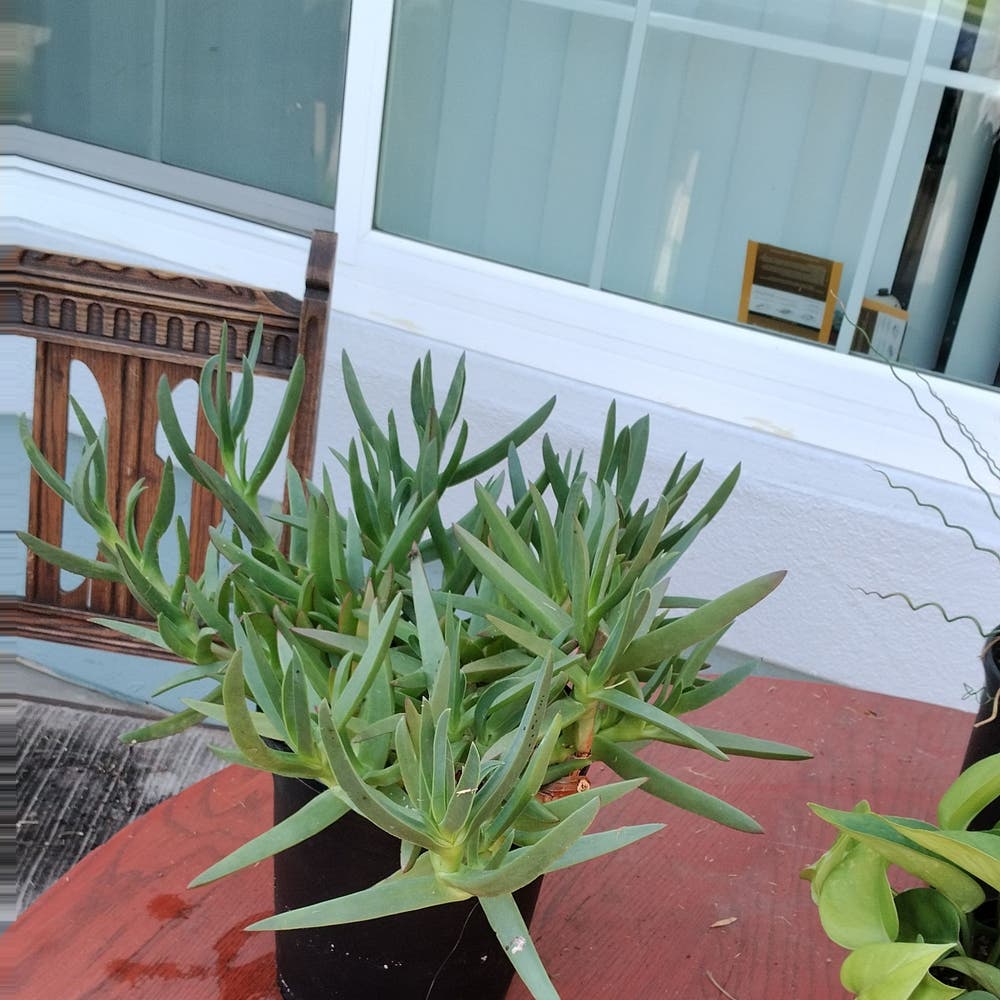
Carpobrotus glaucescens
By the Greg Editorial Team
Jun 16, 2024•4 min read
This article was created with the help of AI so we can cover more plants for you. May contain errors. See one? Report it here.
Rescue your Angular Sea-Fig from mushy leaf misery 🍂 with key insights for plant vitality!
- Mushy leaves signal distress; check for discoloration and root health.
- Adjust watering and soil to prevent overwatering and ensure drainage.
- 🌬️ Boost airflow, prune affected leaves, and seek help if issues persist.
Spotting the Trouble: Signs Your Angular Sea-Fig is Unhappy
🍂 Visual Symptoms and Discoloration
Mushy leaves on your Angular Sea-Fig are like a bad review—they tell you something's not right. Look for leaves that have lost their firmness and appear translucent, as if they've given up. Discoloration is another red flag; leaves turning from a healthy green to a dismal yellow or brown are broadcasting their plight.
🌱 Root Health Check
To get to the bottom of things, inspect the roots. Healthy roots are the color of fresh cream and feel like a firm handshake. If they're brown and squishy, like overcooked pasta, you've got trouble. This is a classic sign of root rot, and it's time to act.
👃 Smell and Texture Red Flags
Your nose knows. A foul odor emanating from the soil is the plant's cry for help. It's not just about the stench; it's a symptom of decay. And if the leaves feel like they've been steamed past al dente, that's another distress signal. It's not just an aesthetic issue; it's a health crisis for your plant.
Getting to the Root: Immediate Actions for Mushy Leaves
💧 Cutting Back on Water
Adjust your watering schedule to combat the mush. Before you pour, check the soil; if the top inch is dry, it's time to hydrate. Use a moisture meter or the trusty finger test. Remember, consistency is key—water based on the soil's condition, not the calendar.
🌱 Improving Soil and Drainage
Boost your plant's health with better drainage. Mix in perlite or sand to keep the soil from getting soggy. Consider a drainage layer of pebbles at the pot's base. This simple step can prevent root rot and keep your Angular Sea-Fig's feet dry.
✂️ Pruning and Cleanup
Prune the mushy leaves with sterilized scissors. Clean cuts prevent the spread of disease. After each snip, disinfect your tools. This isn't just a good practice; it's a plant lifesaver. Remove any leaves that are beyond help to encourage new growth and better airflow.
The Prevention Game Plan: Keeping Leaves Firm and Healthy
💧 Mastering the Art of Watering
To avoid overwatering your Angular Sea-Fig, wait until the soil feels dry before watering. This simple check prevents the onset of mushy leaves. Remember, your plant's thirst varies with the seasons and indoor conditions.
🌱 Choosing the Right Soil Mix
Select a soil mix that promotes drainage. Incorporate materials like perlite or coarse sand to keep the soil from getting too cozy with water. Think of it as creating a breathable foundation for your plant's roots.
🌬️ Boosting Airflow
Good air circulation is essential. It's like giving your plant its own personal space, preventing moisture from becoming a fungal invitation. Ensure your Angular Sea-Fig isn't suffocating in a corner; let it breathe easy with ample airflow.
When to Seek Professional Help
🚨 Recognizing Persistent Problems
In the battle against mushy Angular Sea-Fig leaves, knowing when to wave the white flag is key. If you've tweaked your watering, checked for pests, and your plant still sports a soggy wardrobe, it's time to tag in the pros. Persistent issues that laugh in the face of your efforts, or a plant's health in freefall, are your cues to seek expert advice.
💉 Exploring Treatment Options
Professionals come armed with an arsenal of tools and treatments not usually found in your gardening kit. They'll assess the situation and suggest treatments, aiming for the least toxic options to protect your plant and the environment. Before you reach out, isolate your plant to prevent any contagion and keep a record of your plant's history and your interventions. This info is gold for the green-thumbed experts who can devise a rescue plan for your Angular Sea-Fig.
⚠️ Safety First
This content is for general information and may contain errors, omissions, or outdated details. It is not medical, veterinary advice, or an endorsement of therapeutic claims.
Always consult a qualified healthcare professional before using any plant as food, medicine, or supplement.
Never eat any plant (or feed one to pets) without confirming its identity with at least two trusted sources.
If you suspect poisoning, call Poison Control (800) 222-1222, the Pet Poison Helpline (800) 213-6680, or your local emergency service immediately.
Spotted an error? Please report it here.
Avoid overwatering and keep your Angular Sea-Fig's leaves firm and fabulous 🌵 with Greg's personalized care reminders tailored to your plant's needs.