Propagating Your Angular Sea-Fig: Step-by-Step Guide
Carpobrotus glaucescens
By the Greg Editorial Team
Jun 16, 2024•4 min read
This article was created with the help of AI so we can cover more plants for you. May contain errors. See one? Report it here.
Propagate your Angular Sea-Fig 🌿 effortlessly with this fail-proof, step-by-step guide!
- Choose robust stems and let them callous for successful propagation.
- Gently separate offsets and plant in well-draining soil.
- Avoid pitfalls like poor lighting and overwatering for healthy growth.
Snip & Plant: Stem Cutting Propagation
🌱 Choosing Your Champion Stem
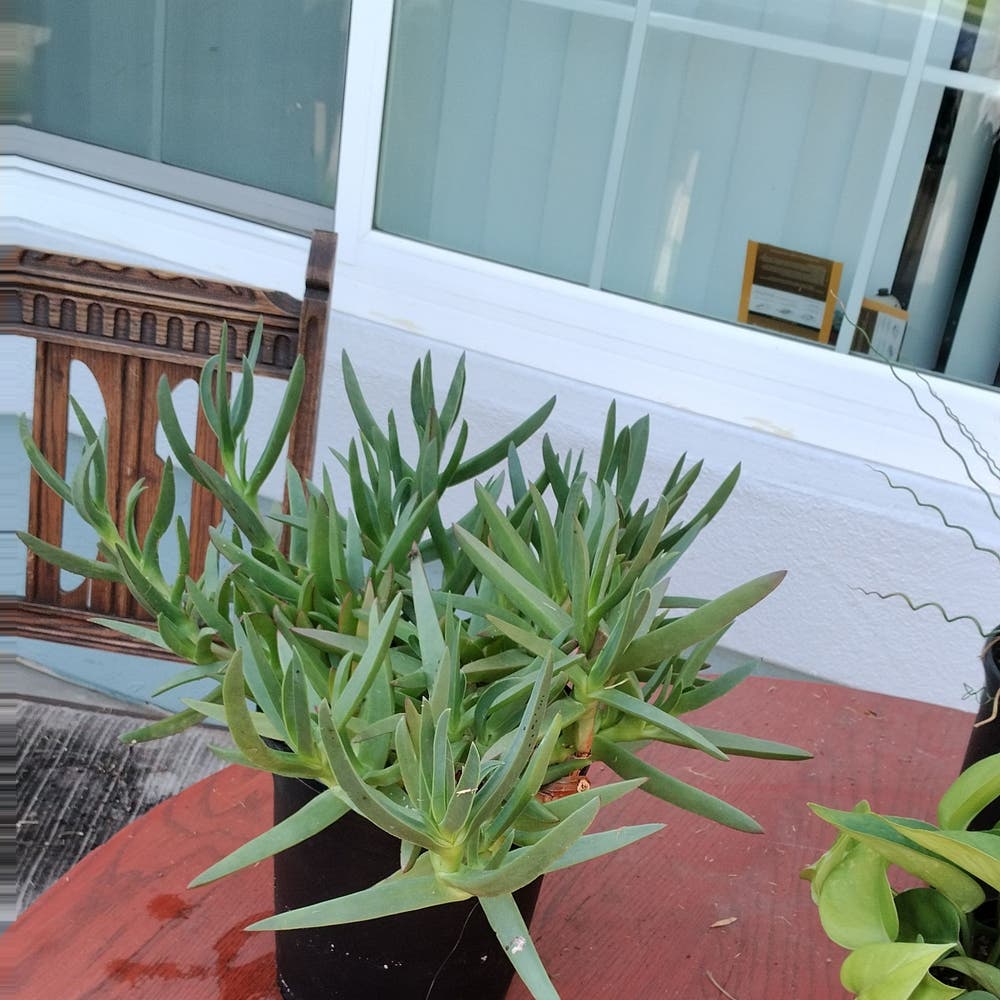
In the propagation arena, the right stem is like picking the winning lottery ticket. Vigorous and lush, your chosen stem should be the epitome of plant health—no signs of wilting, disease, or insect freeloaders. A green thumb's dream stem is sturdy, shows off a few leaves, and feels as robust as it looks.
🛠 Prepping Your Stem Cuttings
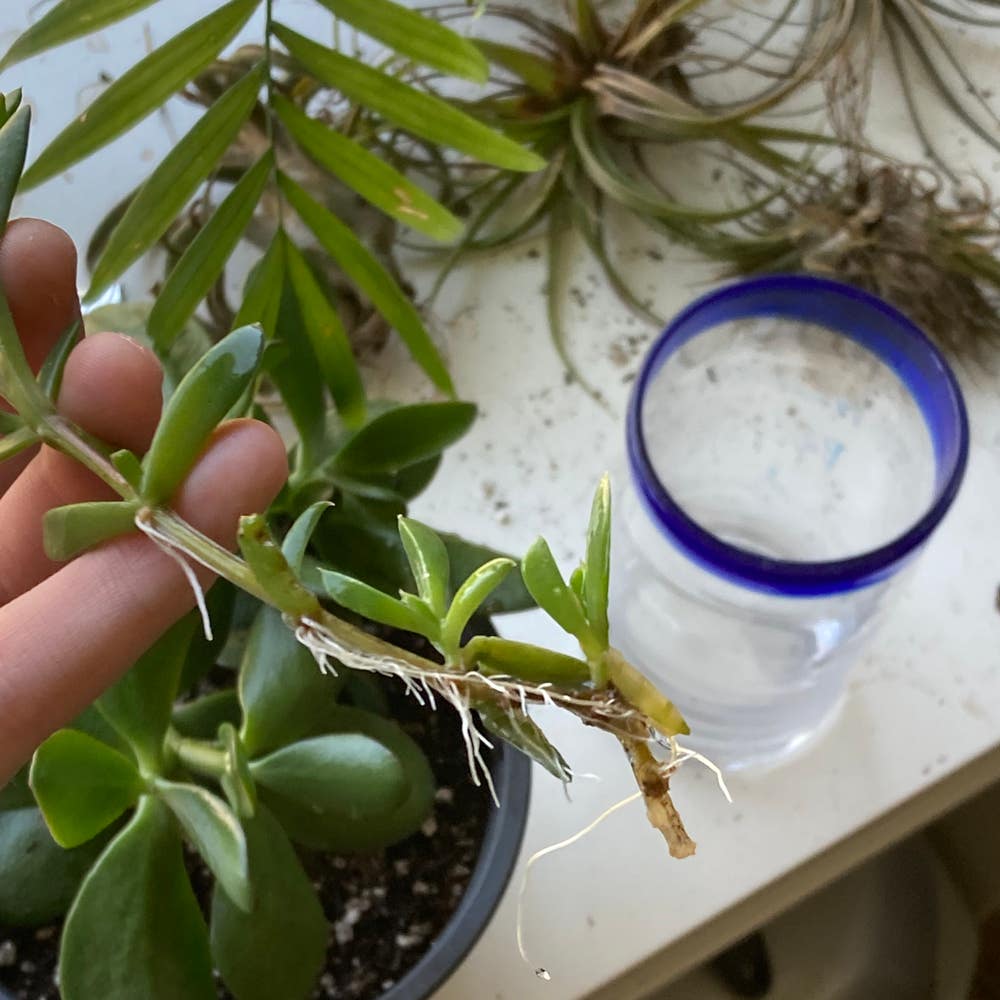
Sterilized scissors or a knife are your tools of choice for a clean, angled cut just below a leaf node. This isn't just a snip; it's a strategic move to maximize the potential rooting surface. After the cut, let the stem callous for a few days to prevent rot—think of it as a short spa retreat for your cutting before the big plunge into soil.
🌱 Planting Your Stem Cuttings
Soil mix is your cutting's first home—make it welcoming. A blend of peat, perlite, and sand offers the drainage and aeration your stem cuttings crave. Plant them at a depth that allows them to stand tall, yet snug, with nodes where roots will emerge, buried like treasure. Space them out to avoid a mosh pit scenario and water them in, aiming for moist, not a swamp. Keep them in a spot with gentle, indirect sunlight, avoiding the chill as if it were the plague. Your cuttings aren't just plant pieces—they're the future in miniature.
Baby Plants on Board: Propagating from Offsets
🌱 Finding and Gently Separating Offsets
Offsets are your future plants, waiting to be independent. Look for those that are mini-me versions of the Angular Sea-Fig, with their own roots. Gently twist or use sterilized scissors for a clean separation. If they're stubborn, don't force them; they're not ready to fly solo.
🌿 Planting and Initial Care for Offsets
Once separated, it's time to pot your offsets. Choose a well-draining soil mix; think of it as a comfy bed for your plant's roots. Water sparingly—like a teaser trailer, not a full feature film. Place them in bright, indirect light, avoiding the harsh midday "spotlight." Hold off on the fertilizer's encore; let the roots settle into their new home first.
Leaf It to Me: Leaf Cutting Propagation
🌿 The Art of Leaf Removal
Gently twist a healthy, mature leaf from the Angular Sea-Fig, ensuring a clean break. Aim for a piece of the base to come away with the leaf; this increases the odds of successful rooting.
🌱 Rooting for Success
Let the leaf cuttings callus over for a few days before planting. This drying out period is like a protective shield against rot. Set up a rooting station with well-draining soil, and rest the calloused leaves on top. Provide indirect sunlight and water sparingly—overwatering is the fast track to failure. Patience is key, as roots take time to develop.
Overcoming Propagation Pitfalls
🌱 Common Hiccups in Propagation
In the early stages of propagation, you might notice your Angular Sea-Fig cuttings or offsets are taking their sweet time to show any signs of growth. Lighting is often the culprit; too little and they're sluggish, too much and they're toast. Keep them in that Goldilocks zone of bright, indirect sunlight. If you're dealing with root rot, it's a sign you've been overzealous with watering. Dial it back to damp, not soggy.
🔄 When Propagation Goes Sideways
When your propagation efforts seem to be going south, it's time for a quick reality check. Yellow leaves? They're screaming for a better environment. Stunted growth? Could be a temperature tantrum. Pests making a surprise appearance? Show them the door with a gentle insecticidal soap. And if all else fails, remember: propagation is part experiment, part experience. Take notes, learn, and sometimes, just start over with the wisdom you've gained.
⚠️ Safety First
This content is for general information and may contain errors, omissions, or outdated details. It is not medical, veterinary advice, or an endorsement of therapeutic claims.
Always consult a qualified healthcare professional before using any plant as food, medicine, or supplement.
Never eat any plant (or feed one to pets) without confirming its identity with at least two trusted sources.
If you suspect poisoning, call Poison Control (800) 222-1222, the Pet Poison Helpline (800) 213-6680, or your local emergency service immediately.
Spotted an error? Please report it here.
Propagate your Angular Sea-Fig with confidence as Greg's custom care reminders help you avoid common pitfalls like overwatering and ensure your cuttings thrive 🌱.