🐷 Pigface Roots 101
Carpobrotus glaucescens
By the Greg Editorial Team
Nov 26, 2024•7 min read
This article was created with the help of AI so we can cover more plants for you. May contain errors. See one? Report it here.
Master Pigface care 🌱 by understanding its unique root systems for thriving, resilient plants in any environment!
- 🌱 Pigface roots enhance soil stability and thrive in sandy, coastal environments.
- 💧 Proper watering prevents root rot; let soil dry out between waterings.
- 🌿 Healthy roots are crucial for Pigface vitality; inspect regularly for issues.
Root System Characteristics
Understanding Fibrous Root Systems 🌱
Fibrous root systems consist of numerous thin roots that spread out horizontally. This structure offers several advantages, including improved soil stability and efficient water absorption.
Characteristics of Pigface Roots 🐷
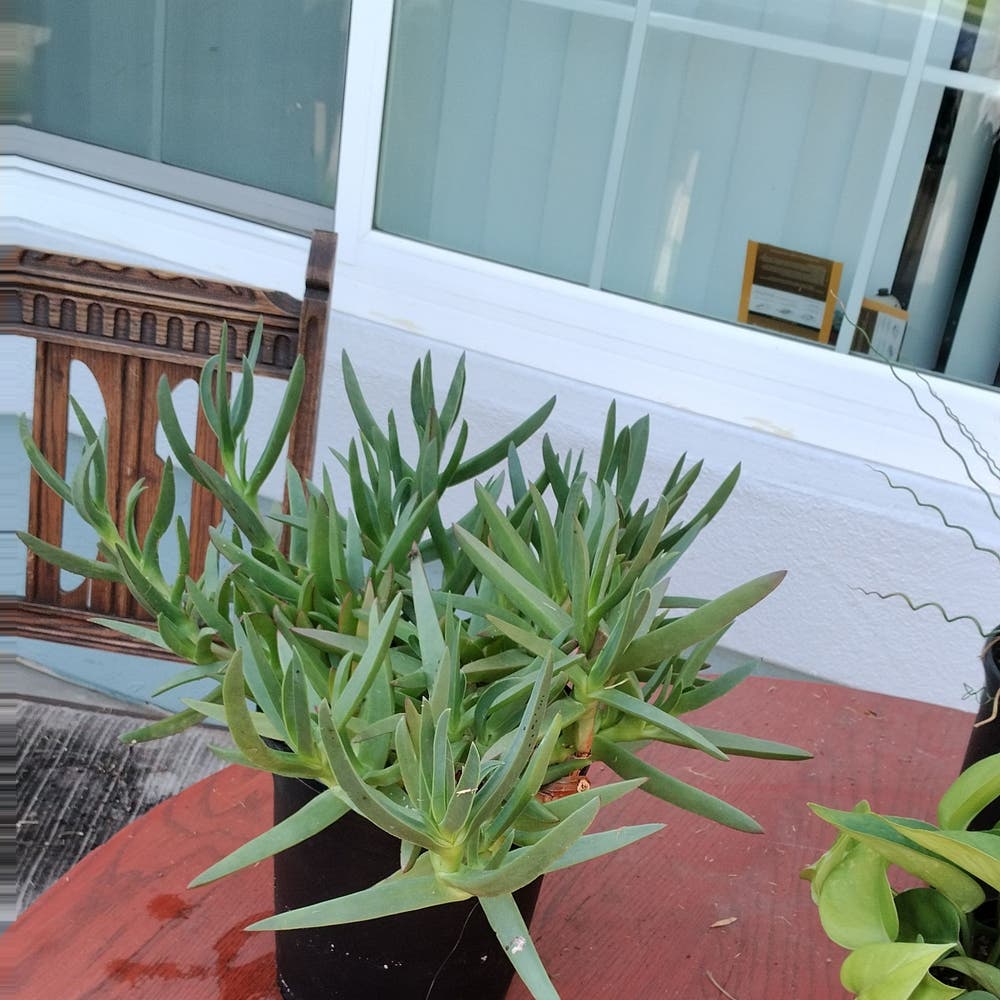
Pigface roots exemplify a fibrous system with their shallow yet extensive network. This design allows them to efficiently absorb water, making them well-suited for sandy soils and coastal habitats.
Adaptation to Environment 🌍
Pigface thrives in challenging environments, showcasing its adaptability. Its roots are specifically structured to handle the unique conditions of sandy terrains, ensuring the plant remains resilient and healthy.
With a solid grasp of Pigface's root system characteristics, let's explore how these roots influence watering needs and care practices.
Root Depth, Spread, and Growth Patterns
🌱 Typical Root Depth and Spread
Pigface plants exhibit a remarkable root depth, typically ranging from 12 to 24 inches (30 to 60 cm). Their roots can spread horizontally, extending up to 3 feet (90 cm) or more, allowing them to efficiently absorb water and nutrients from a wide area.
🌿 Growth Patterns
These plants are known for their rapid lateral growth, which helps stabilize them in sandy environments. During spring and summer, Pigface experiences active growth, while in winter, it enters a period of dormancy, conserving energy for the next growing season.
Their robust root structure enables them to recover quickly from disturbances, making them resilient in challenging conditions. This adaptability is a key factor in their survival, especially in coastal habitats where the soil can be unpredictable.
Understanding these growth patterns is essential for anyone looking to cultivate Pigface successfully. With the right care, you can ensure that these plants thrive, setting the stage for healthy growth and vibrant blooms.
Next, we will explore how to care for Pigface roots through proper watering, fertilizing, and transplanting techniques.
Watering, Fertilizing, and Transplanting
🌱 How Root System Affects Watering Needs
Watering your Pigface plant requires a bit of finesse. Allow the soil to dry out between waterings to prevent root rot, which can be detrimental to its health.
Deep watering is crucial as it encourages the roots to grow deeper into the soil, enhancing their stability and access to nutrients. This practice helps your plant thrive in its sandy coastal habitat.
🧪 Fertilization Considerations
When it comes to fertilizing, opt for low-nitrogen, slow-release fertilizers. These types of fertilizers provide a steady supply of nutrients without overwhelming the plant.
Timing is key; fertilize in early spring and mid-summer to support active growth phases. This ensures your Pigface has the nutrients it needs when it needs them most.
🌍 Best Practices for Transplanting
Transplanting your Pigface is best done in early spring or fall. This timing allows the plant to establish itself before the heat of summer or the chill of winter sets in.
To ensure a successful transplant, follow these steps:
- Prepare the new planting site with well-draining soil.
- Water the plant thoroughly before removal to minimize stress.
- Gently loosen the root ball, taking care not to disturb the roots too much.
- Water again after transplanting to help settle the soil around the roots.
By following these practices, you can help your Pigface flourish in its new environment. This attention to watering, fertilizing, and transplanting sets the stage for a healthy, vibrant plant.
Next, let’s explore common root-related issues that can arise and how to address them effectively.
Common Root-Related Issues
🕵️ Identifying Root Rot and Prevention Tips
Root rot is a common issue that can plague Pigface plants, manifesting through wilting, yellowing leaves, and mushy roots. These symptoms signal that your plant is in distress and requires immediate attention.
To prevent root rot, ensure your soil is well-draining and avoid overwatering. It's crucial to use pots with drainage holes to allow excess water to escape, keeping your roots healthy and happy.
🛠️ Solutions for Common Root Problems
If you discover root rot, act quickly by removing the affected roots and repotting the plant in fresh, dry soil. This step is vital to give your Pigface a fighting chance at recovery.
Additionally, keep an eye out for nutrient deficiencies, which can also affect root health. Adjust your fertilization routine based on visual cues from your plant, ensuring it receives the nutrients it needs to thrive.
By addressing these common root-related issues, you can maintain a robust and flourishing Pigface plant. Next, let’s explore how to identify indicators of root health to keep your plant in top shape.
Indicators of Root Health
🌱 Visual Cues of Healthy Roots
Healthy roots are essential for the overall vitality of your Pigface plant. Look for roots that are firm and exhibit a white or light tan color, indicating they are thriving.
A lack of foul odor is another positive sign. If your roots are odorless, they are likely in good condition and effectively supporting your plant.
🚫 Signs of Unhealthy Roots
On the flip side, unhealthy roots can spell trouble. Dark, mushy, or slimy textures are clear indicators that something is amiss.
Additionally, a foul smell often suggests root decay. Regular inspections of your plant's roots are crucial to catch these issues early and maintain optimal plant health.
By staying vigilant and understanding these visual cues, you can ensure your Pigface thrives. This proactive approach will lead to a healthier, more resilient plant, ready to flourish in its environment.
Rootbound Plants
Definition and Recognition 🌱
Rootbound plants occur when roots circle around the pot, restricting growth. This condition can lead to several visible signs that indicate your plant is struggling.
Signs of Rootbound Plants 🚩
- Stunted Growth: The plant may stop growing or grow very slowly.
- Frequent Wilting: Even with adequate watering, the plant may appear droopy.
- Visible Roots: Roots may be seen protruding through the drainage holes.
Recognizing these signs early can help you take action before the plant suffers too much.
When and How to Address Rootbound Issues 🛠️
Intervention is crucial as soon as you notice signs of rootbound conditions. Here’s how to remedy the situation effectively:
- Gently Remove the Plant: Carefully take the plant out of its pot to avoid damaging the roots.
- Trim Circling Roots: Cut back any roots that are tightly circling the root ball. This encourages new growth.
- Repot in a Larger Container: Choose a pot that’s a size larger and fill it with fresh, well-draining soil.
By following these steps, you can help your plant thrive and prevent future rootbound issues.
Understanding how to manage rootbound conditions is essential for maintaining healthy Pigface plants. Next, we’ll explore propagation and division techniques to further enhance your gardening skills.
Propagation and Division
Importance of Root Health 🌱
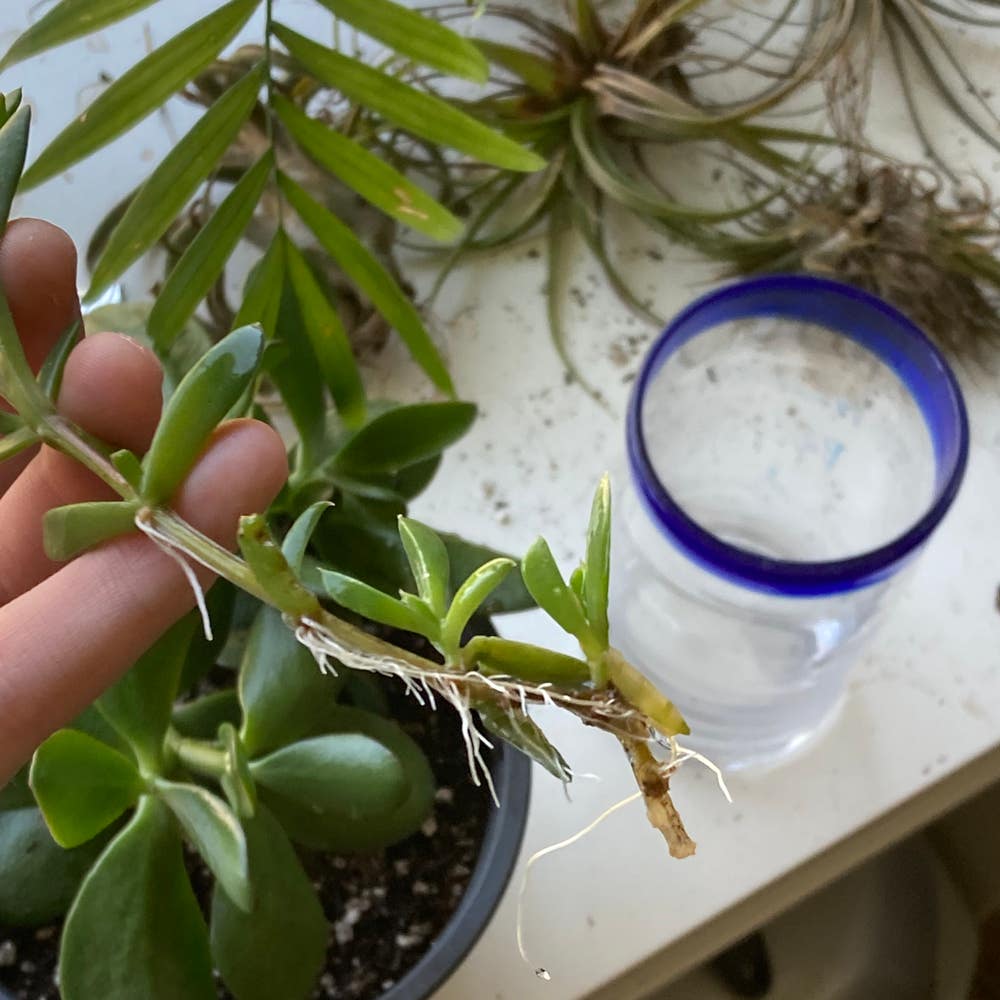
Healthy roots are the backbone of successful propagation and division. They ensure that new plants can establish themselves quickly and thrive in their new environments.
Propagating from healthy, established plants increases the chances of success. Strong roots provide the necessary nutrients and stability for young plants to flourish.
Techniques for Dividing and Propagating ✂️
There are a couple of effective methods for propagation that you can use.
Leaf Cuttings: Start by selecting healthy leaves from the parent plant. Place these leaves in soil, ensuring they have enough moisture to encourage root development.
Division: This technique involves separating clumps of the plant during repotting. It’s a straightforward way to create new plants while maintaining the health of the original.
Timing is crucial for successful propagation. Early spring is the best time to propagate, as it aligns with the plant's active growth phase, giving new roots the best chance to establish.
By focusing on root health and employing these techniques, you can expand your Pigface collection with confidence. Next, let’s explore how to identify and address common root-related issues to keep your plants thriving.
⚠️ Safety First
This content is for general information and may contain errors, omissions, or outdated details. It is not medical, veterinary advice, or an endorsement of therapeutic claims.
Always consult a qualified healthcare professional before using any plant as food, medicine, or supplement.
Never eat any plant (or feed one to pets) without confirming its identity with at least two trusted sources.
If you suspect poisoning, call Poison Control (800) 222-1222, the Pet Poison Helpline (800) 213-6680, or your local emergency service immediately.
Spotted an error? Please report it here.
Unlock the secrets of Pigface roots 🌊 with Greg's tailored watering alerts and fertilization guidance to keep your plants thriving in sandy soils!