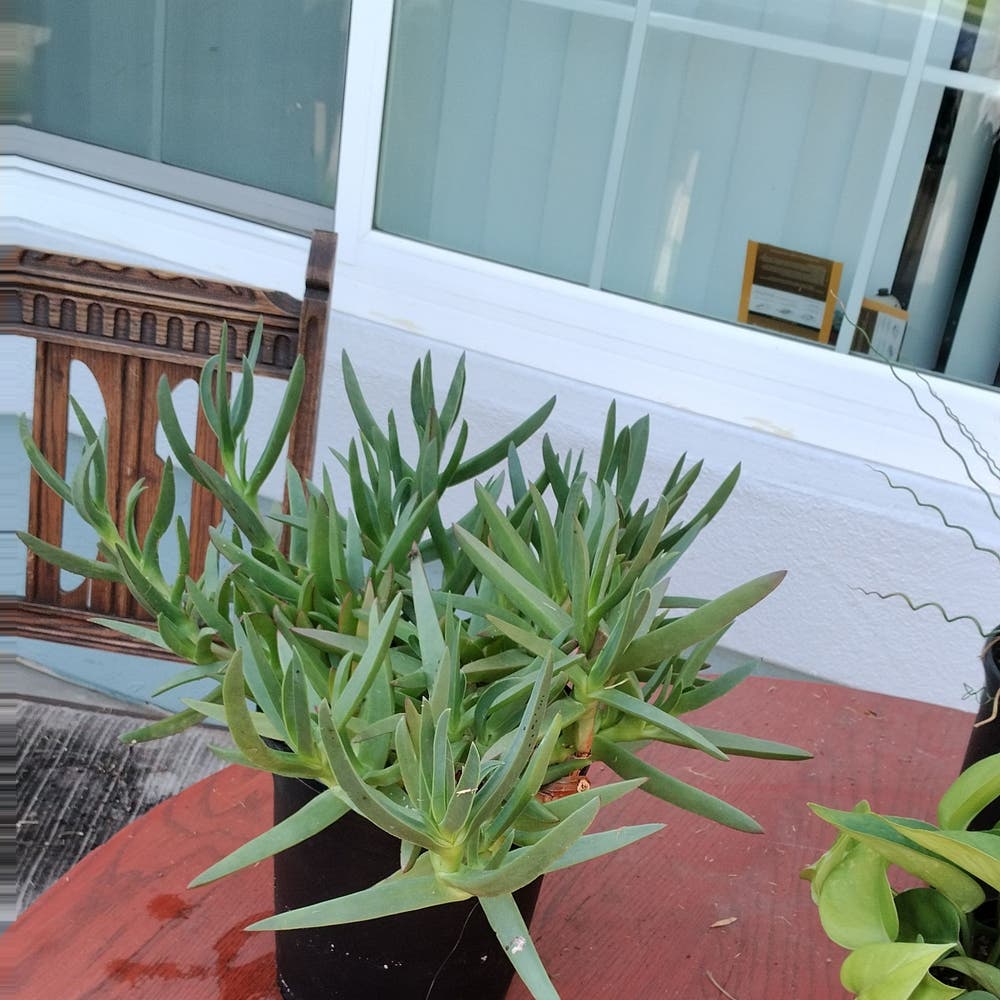
Best Tips for Dealing with Black Spots on Pigface 🐷
Carpobrotus glaucescens
By the Greg Editorial Team
Nov 26, 2024•5 min read
This article was created with the help of AI so we can cover more plants for you. May contain errors. See one? Report it here.
Revive your Pigface from black spots 🌱 with expert tips for diagnosis and treatment to ensure vibrant growth!
- 🦠 Identify infections: Fungal appears fuzzy, while bacterial shows water-soaked lesions.
- 🌞 Ensure 6-8 hours of sunlight daily for optimal Pigface health and spot prevention.
- 💧 Prevent overwatering by allowing soil to dry out between waterings for healthy growth.
Diagnosing Black Spots
🦠 Differentiating between fungal and bacterial infections
When it comes to diagnosing black spots on Pigface, understanding the type of infection is crucial. Fungal infections typically present as dark, fuzzy growths on the leaves and can spread rapidly, often indicating a more serious issue.
In contrast, bacterial infections manifest as water-soaked lesions that may ooze. These tend to spread more slowly, allowing for a bit more time to react and treat the affected areas.
🐛 Identifying pest-related issues leading to black spots
Pests can also be the culprits behind those pesky black spots. Common offenders include aphids and mealybugs, which can cause significant leaf damage if left unchecked.
Look for signs of infestation such as sticky residue on leaves, visible pests, or webbing. These indicators can help you pinpoint the problem before it escalates.
🌧️ Assessing environmental stressors
Environmental factors play a significant role in the health of your Pigface. Overwatering is a common issue, leading to symptoms like root rot and yellowing leaves, which can contribute to the appearance of black spots.
Additionally, poor drainage is critical to consider. Ensure your soil composition allows for proper drainage and that pots have adequate drainage holes.
Finally, evaluate the light conditions your plant is receiving. Too much shade or direct sunlight can adversely affect leaf health, leading to stress and potential black spots.
By carefully assessing these aspects, you can effectively diagnose the underlying issues causing black spots on your Pigface. This foundational understanding will set you up for successful treatment and prevention strategies.
Treating Black Spots
🌱 Step-by-step treatment for fungal infections
Dealing with fungal infections on your Pigface can be straightforward if you follow these steps.
Remove affected leaves: Start by using sterilized pruning shears to cut away any leaves showing signs of infection. This helps prevent the spread of the fungus to healthy parts of the plant.
Improve air circulation: Ensure your plants are spaced adequately apart. Trimming surrounding foliage can also enhance airflow, which is crucial for preventing fungal growth.
Apply fungicide: Choose a suitable fungicide based on the type of fungus you’ve identified. This targeted approach will help effectively combat the infection.
🧪 Recommended fungicides and natural remedies
When it comes to treating fungal infections, you have options.
Chemical options: Copper-based fungicides and systemic fungicides are effective choices for more severe cases. They work by targeting the fungus directly, helping to restore your plant’s health.
Natural remedies: For mild infections, consider using neem oil or baking soda solutions. These natural treatments can be gentler on your plant while still providing effective results.
✂️ Importance of pruning affected leaves
Pruning is not just about aesthetics; it plays a vital role in plant health.
Preventing spread: By removing infected leaves, you significantly reduce the risk of the fungus spreading to healthy foliage. This proactive measure is essential for maintaining your plant's vitality.
Encouraging new growth: Pruning also stimulates the plant to focus its energy on healthy parts, promoting new growth. This can lead to a more robust and vibrant Pigface.
With these treatment strategies, you can effectively manage black spots on your Pigface and encourage a thriving plant. Next, let’s explore how to prevent these issues from arising in the first place.
Preventing Black Spots
🌊 Best practices for watering Pigface
Watering your Pigface correctly is crucial to preventing black spots. Always allow the soil to dry out between waterings to avoid over-saturation.
Signs of overwatering include yellowing leaves and mushy stems. If you notice these symptoms, it’s time to reassess your watering routine.
🪴 Soil and drainage recommendations
The right soil type is essential for healthy Pigface growth. Aim for sandy, well-draining soil that promotes good aeration.
When potting, always use containers with drainage holes. This helps prevent water accumulation, which can lead to root rot and black spots.
☀️ Sunlight and temperature considerations
Pigface thrives in full sun, requiring 6 to 8 hours of sunlight daily for optimal growth. Ensure your plant is positioned to soak up those rays.
Temperature also plays a role; Pigface prefers warm coastal climates. Be sure to protect it from frost to maintain its health and vibrancy.
By following these preventive measures, you can keep your Pigface healthy and vibrant, minimizing the risk of black spots. Next, let’s explore ongoing care strategies to ensure your plant continues to thrive.
Ongoing Care for Pigface
Regular maintenance tips to prevent recurrence 🌱
Routine inspections are essential for keeping your Pigface healthy. Regularly check for signs of black spots and pests to catch any issues early.
Cleaning practices also play a crucial role in disease prevention. Remove debris and fallen leaves to minimize the risk of infections and keep your plant thriving.
Seasonal care adjustments for Pigface ☀️
Adjusting your care routine with the seasons can make a significant difference. In winter, reduce watering frequency as the plant enters dormancy and requires less moisture.
During summer, be vigilant about increased pest activity. Monitor your plant closely and adjust your watering schedule to prevent stress.
Monitoring for pests and diseases 🐛
Consistent monitoring is key to maintaining a healthy Pigface. Conduct weekly checks for pests and signs of disease to ensure your plant remains in top shape.
Implementing integrated pest management can be highly effective. Utilize beneficial insects and organic treatments to control pest populations without harming your plant.
By following these ongoing care tips, you can help your Pigface flourish and prevent the recurrence of black spots. Next, let’s explore the best practices for preventing black spots from appearing in the first place.
⚠️ Safety First
This content is for general information and may contain errors, omissions, or outdated details. It is not medical, veterinary advice, or an endorsement of therapeutic claims.
Always consult a qualified healthcare professional before using any plant as food, medicine, or supplement.
Never eat any plant (or feed one to pets) without confirming its identity with at least two trusted sources.
If you suspect poisoning, call Poison Control (800) 222-1222, the Pet Poison Helpline (800) 213-6680, or your local emergency service immediately.
Spotted an error? Please report it here.
Keep your Pigface spot-free 🌱 by using Greg's tailored care tips and watering reminders to ensure it thrives in optimal conditions!