Why Are There Black Spots on My Angular Sea-Fig Leaves?
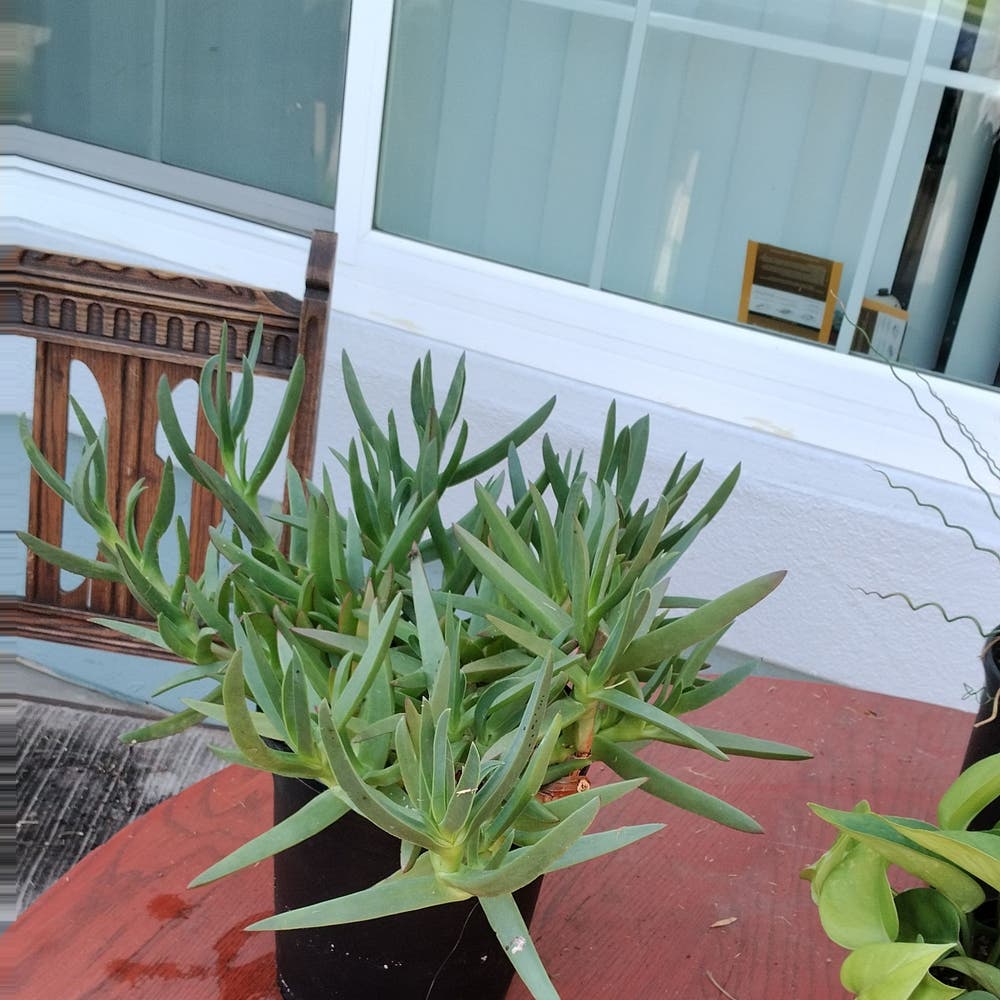
Carpobrotus glaucescens
By the Greg Editorial Team
Jun 16, 2024•4 min read
This article was created with the help of AI so we can cover more plants for you. May contain errors. See one? Report it here.
Eradicate mysterious black spots on your Angular Sea-Fig for a thriving plant! 🌿🔍
- Black spots signal distress; early detection is key to saving your Angular Sea-Fig.
- Fungal and bacterial infections are common culprits, requiring different treatments.
- Prevent with proper care: airflow, watering, and humidity control are crucial.
Spotting the Trouble: Recognizing Black Spots on Your Plant
🕵️ What to Look For
Black spots on Angular Sea-Fig leaves are not just blemishes; they're distress signals. Tiny specks under ⅛ inch can balloon into larger blotches, demanding your attention. Raised or sunken, these spots spell trouble, especially when they bring along yellowing leaves like unwanted plus-ones.
🎨 Not All Spots Are Created Equal
Variations in spot appearance are key. Some may have a brownish tinge or halos, and they're not shy about where they pop up—check both sides of the leaves. Don't mistake these for the plant's natural variegation, which is usually uniform and not a sign of distress.
🐜 Pest Patrol
While you're on the lookout, keep an eye out for pests. Spider mites and fungus gnats aren't just annoying—they're often the harbingers of those dreaded black spots.
🚨 Early Detection: Your Plant's Lifeline
Catch these spots early. Like intercepting a spoiler before it ruins the movie, early detection can save your plant from a world of pain. If you're unsure, skip the guessing game and consult a plant pathologist or your local nursery guru.
🛡️ Keeping the Spots at Bay: Prevention Tactics
Give your plants some breathing room. Cramped conditions are a party invitation for black spots. Regular inspections are non-negotiable—think of it as your plant's personal security detail.
The Usual Suspects: Common Causes of Black Spots
🍄 Fungal Foes
Anthracnose and Cercospora leaf spot are like the Bonnie and Clyde of plant fungi, notorious for leaving black spots on your Angular Sea-Fig leaves. These spots often start as small lesions and can grow into larger blotches, ruining the aesthetic of your plant.
High humidity and poor air circulation create a perfect environment for these fungi to thrive. It's like setting up a fungi festival in your plant pot, and everyone's invited. To prevent this unwanted party, it's crucial to monitor the moisture levels around your plant.
🦠 Bacterial Baddies
Bacterial leaf spot comes in with a signature style: black or dark brown spots that can turn your plant's leaves into a blighted mess. These spots may look water-soaked or have a colorful edge, making them distinct from their fungal counterparts.
The conditions that invite these bacterial troublemakers are similar to those that fungi love—too much moisture and not enough breathing space. Think of it as a bacteria rave, and your plant is the unwilling host.
🌿 Environmental Stressors
Overwatering, poor air circulation, and high humidity are the environmental stressors that can lead to black spots. It's like throwing your plant into a stress cooker and waiting for the spots to show up.
Each stressor leaves a unique mark on your plant, which can range from uniform discoloration to dry, crispy patches. Keeping a balanced environment is key to ensuring your Angular Sea-Fig doesn't become a spotty mess.
Combat Strategies: Treating and Dodging Black Spots
🍄 Fungus Among Us: Dealing with Fungal Infections
Fungicides: your plant's personal bodyguard against fungal foes. Timing is critical; apply during the cooler hours of early morning or late evening for maximum absorption. Ensure even coverage on all leaf surfaces, and rotate products to prevent resistance—fungi shouldn't get comfortable.
Cultural practices are the unsung heroes in this saga. Improve air circulation; think of it as giving your plants their personal space. Avoid wet leaves; they're not sunbathing, they're avoiding fungal raves. And sanitize your tools—no one likes a dirty scalpel.
💥 Bacterial Battles: Addressing Bacterial Infections
Pruning is your first move—snip off those infected areas like a pro. Copper compounds and targeted bactericides come next, but use them like a sniper—sparingly and accurately. Always confirm it's a bacterial issue; you don't want to bring a gun to a pillow fight.
Prevention playbook: Keep your plant's environment as clean as your kitchen counter. Avoid overhead watering—bacteria love a good shower, but your plants don't. And remember, well-fed plants are like well-trained soldiers, better equipped to fend off bacterial invasions.
🌿 Stress Relief: Mitigating Environmental Stress
Watering wisdom: Find the sweet spot between a desert and a swamp. Your plant's roots need a drink, not a bath. Proper drainage is key—standing water is a party invitation for fungi.
Airflow and humidity hacks: Keep the air moving, but don't create a wind tunnel. Use a trellis or space out your plants to avoid a mosh pit scenario. And humidity? Keep it in check like you're balancing a budget. Too much, and you're asking for trouble; too little, and your plants will throw a tantrum.
⚠️ Safety First
This content is for general information and may contain errors, omissions, or outdated details. It is not medical, veterinary advice, or an endorsement of therapeutic claims.
Always consult a qualified healthcare professional before using any plant as food, medicine, or supplement.
Never eat any plant (or feed one to pets) without confirming its identity with at least two trusted sources.
If you suspect poisoning, call Poison Control (800) 222-1222, the Pet Poison Helpline (800) 213-6680, or your local emergency service immediately.
Spotted an error? Please report it here.
Keep your Angular Sea-Fig's leaves spot-free 🌿 by using Greg to monitor plant health and create an environment where black spots don't stand a chance.