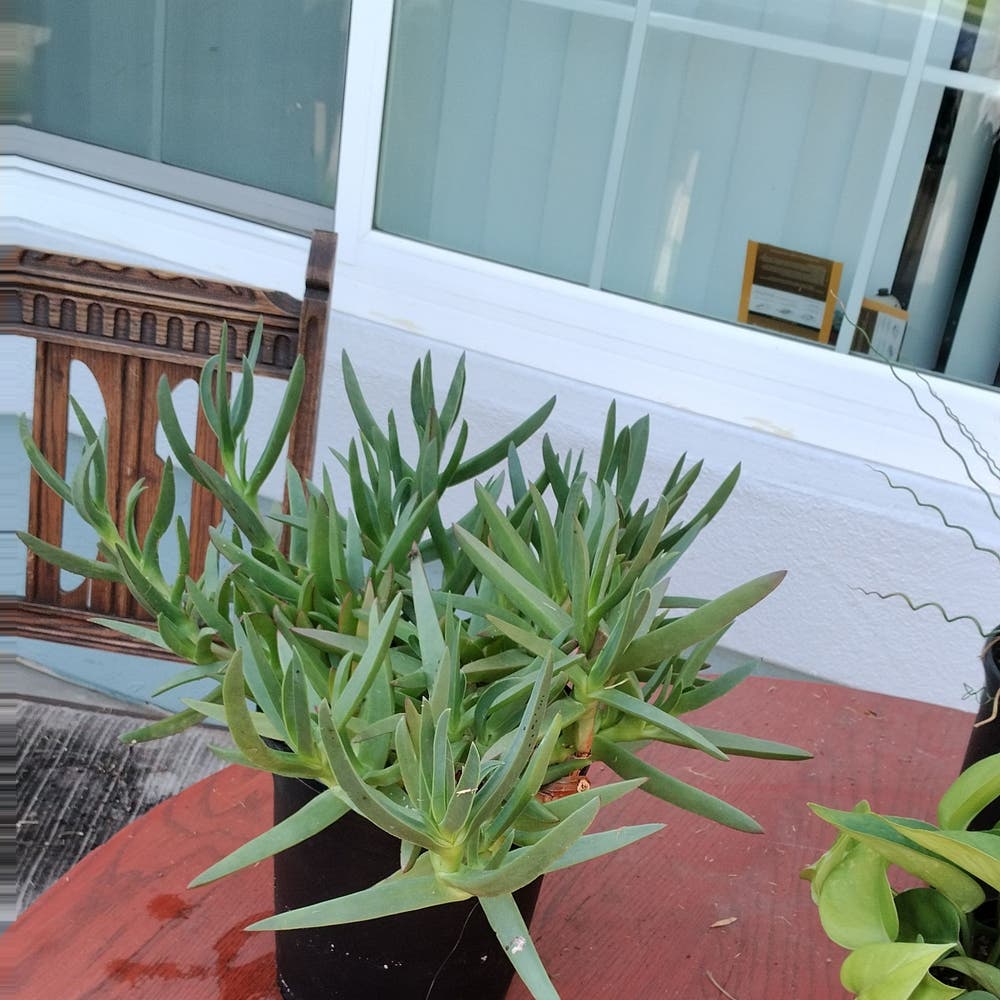
Best Tips for Dealing with Brown Spots on Pigface 🐷
Carpobrotus glaucescens
By the Greg Editorial Team
Nov 26, 2024•6 min read
This article was created with the help of AI so we can cover more plants for you. May contain errors. See one? Report it here.
Revive your Pigface and banish brown spots 🌱 with these essential care tips for vibrant, healthy growth!
- 🌧️💧 Brown spots on Pigface arise from overwatering, underwatering, pests, or nutrient issues.
- 🌞 Full sun (6-8 hours) is essential for Pigface health and preventing brown spots.
- 🐛🧴 Regular inspections and treatments for pests and fungi keep your Pigface thriving.
Causes of Brown Spots on Leaves
💧 Overwatering and Root Rot
Overwatering is a common issue that leads to brown spots on Pigface leaves. Symptoms include yellowing leaves, a mushy texture, and a foul smell emanating from the soil, indicating root rot.
The impact on root health is significant; excess water deprives roots of oxygen, leading to decay. This can ultimately threaten the plant's survival if not addressed promptly.
🌵 Underwatering and Drought Stress
On the flip side, underwatering can also cause brown spots. Look for crispy, dry leaf edges and wilting as key symptoms of drought stress.
Maintaining consistent moisture is crucial for succulent health. A well-hydrated Pigface will thrive, while neglect can lead to unsightly damage.
🍄 Fungal Infections
Fungal infections are another culprit behind brown spots. Common fungi affecting Pigface include Fusarium and Phytophthora, which can wreak havoc on your plant.
Symptoms of these infections typically manifest as dark brown spots with a water-soaked appearance. Identifying these signs early can help you take action before the damage spreads.
🐛 Pest Infestations
Pests can also contribute to the appearance of brown spots on leaves. Common offenders include aphids, mealybugs, and spider mites.
Symptoms of pest infestations often include leaf discoloration, webbing, and a sticky residue on the leaves. Regularly inspecting your plants can help catch these pests before they cause significant harm.
🥦 Nutrient Deficiencies
Nutrient deficiencies can lead to brown spots as well. Key nutrients to monitor include nitrogen, potassium, and magnesium.
Symptoms of deficiencies often present as general yellowing of the leaves or browning at the tips. Ensuring your Pigface receives adequate nutrition is essential for its overall health and appearance.
Understanding these causes is the first step in effectively managing brown spots on your Pigface. Next, we’ll explore how to treat these issues and restore your plant’s vitality.
Treating Brown Spots on Leaves
🌊 Step-by-step treatment for overwatering issues
Overwatering is a common culprit behind brown spots on Pigface leaves. To tackle this, start by adjusting your watering schedule.
Adjusting watering schedule
Water only when the top inch of soil feels dry. This helps prevent waterlogged roots, which can lead to decay.Improving drainage
Check your pot's drainage holes to ensure they are clear. If necessary, repot your plant using a well-draining soil mix, like cactus mix, to promote healthy root growth.
🍄 Addressing fungal infections
Fungal infections can also cause unsightly brown spots. Identifying the specific fungi is crucial for effective treatment.
Identifying specific fungi
Look for signs of infection such as leaf spots, wilting, and decay. Common fungi affecting Pigface include Fusarium and Phytophthora.
Recommended fungicides or natural remedies
For treatment, consider using copper-based fungicides for a chemical approach. Alternatively, natural remedies like neem oil or a baking soda solution can effectively combat fungal issues without harsh chemicals.
🐛 Pest control methods
Pests can wreak havoc on your Pigface, leading to brown spots and other damage. Identifying these pests is the first step in effective control.
Identifying common pests
- Aphids: Small, green or black insects that cluster on leaves.
- Mealybugs: Look for white, cotton-like masses on stems, which can indicate an infestation.
Organic and chemical treatment options
For organic pest control, insecticidal soap and neem oil are excellent choices. If the infestation is severe, systemic insecticides may be necessary to protect your plant.
By addressing overwatering, fungal infections, and pest infestations, you can restore your Pigface's health and keep those brown spots at bay. Next, let's explore how to prevent these issues from arising in the first place.
Preventing Brown Spots on Leaves
🌊 Best watering practices
Frequency and amount of water
To keep your Pigface healthy, establish a watering schedule that suits your climate. Generally, watering every 1-2 weeks is ideal, ensuring you soak the soil thoroughly without causing waterlogging.
Signs of proper hydration
A well-hydrated Pigface will have firm, plump leaves. If your plant feels soft or shriveled, it’s time to reassess your watering routine.
☀️ Optimal sunlight exposure
Ideal light conditions
Pigface thrives in full sun, requiring 6-8 hours of direct sunlight daily. During extreme heat, consider moving your plant indoors to prevent sunburn and stress.
🌱 Soil and fertilization tips
Recommended soil types
Choose well-draining sandy or loamy soil for your Pigface. Aim for a pH range of 6.0 to 7.0 to promote optimal growth.
Nutrient management to prevent deficiencies
During the growing season, provide light feeding to your plant. Use balanced NPK fertilizers or those specifically designed for succulents to keep nutrient levels in check.
By following these preventive measures, you can help your Pigface flourish and minimize the risk of brown spots. Next, let’s explore how seasonal changes can impact your plant's health and care needs.
Seasonal Care for Pigface
🌦️ Seasonal changes and their impact on brown spots
Understanding how seasonal changes affect your Pigface is crucial for maintaining its health. Different seasons bring unique challenges that can lead to brown spots on leaves if not addressed properly.
☀️ Summer heat stress
During the summer, Pigface can experience heat stress, which manifests as leaf curling, browning, and wilting. To combat this, increase your watering frequency during peak heat, ensuring the plant stays hydrated and resilient.
❄️ Winter dormancy and watering needs
In winter, Pigface enters a dormant phase, resulting in slowed growth and reduced water needs. Adjust your care by watering less frequently, allowing the soil to dry out between waterings to prevent root rot and other issues.
By adapting your care routine to the seasons, you can help your Pigface thrive year-round, minimizing the risk of brown spots and promoting vibrant growth. Next, let’s explore common misconceptions about caring for this resilient succulent.
Common Misconceptions about Care
💧 Myths about watering frequency
One common myth is that Pigface needs daily watering. In reality, overwatering can be more detrimental than underwatering, leading to root rot and brown spots.
Understanding your plant's needs is crucial. Water only when the top inch of soil is dry to the touch, ensuring your Pigface thrives without drowning.
☀️ Misunderstandings regarding sunlight needs
Another misconception is that Pigface can thrive in low light conditions. The truth is, this succulent requires full sun for optimal health and flowering.
Aim for 6-8 hours of direct sunlight daily. Adjust its placement based on seasonal changes to keep your plant happy and vibrant.
By debunking these myths, you can provide better care for your Pigface, ensuring it remains healthy and beautiful. Next, let’s explore effective prevention strategies to keep those brown spots at bay.
⚠️ Safety First
This content is for general information and may contain errors, omissions, or outdated details. It is not medical, veterinary advice, or an endorsement of therapeutic claims.
Always consult a qualified healthcare professional before using any plant as food, medicine, or supplement.
Never eat any plant (or feed one to pets) without confirming its identity with at least two trusted sources.
If you suspect poisoning, call Poison Control (800) 222-1222, the Pet Poison Helpline (800) 213-6680, or your local emergency service immediately.
Spotted an error? Please report it here.
Keep your Pigface spot-free 🌱 by using Greg's tailored watering reminders and expert community tips to tackle brown spots and ensure vibrant growth!