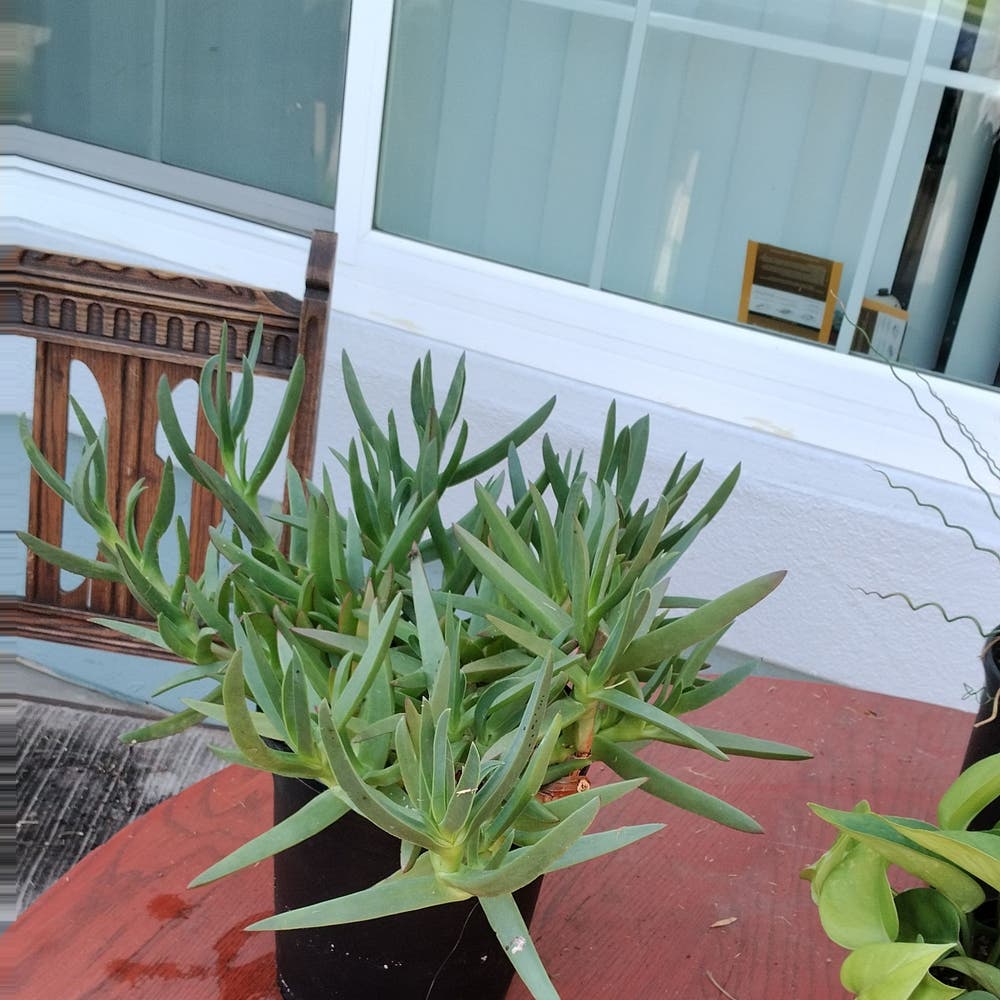
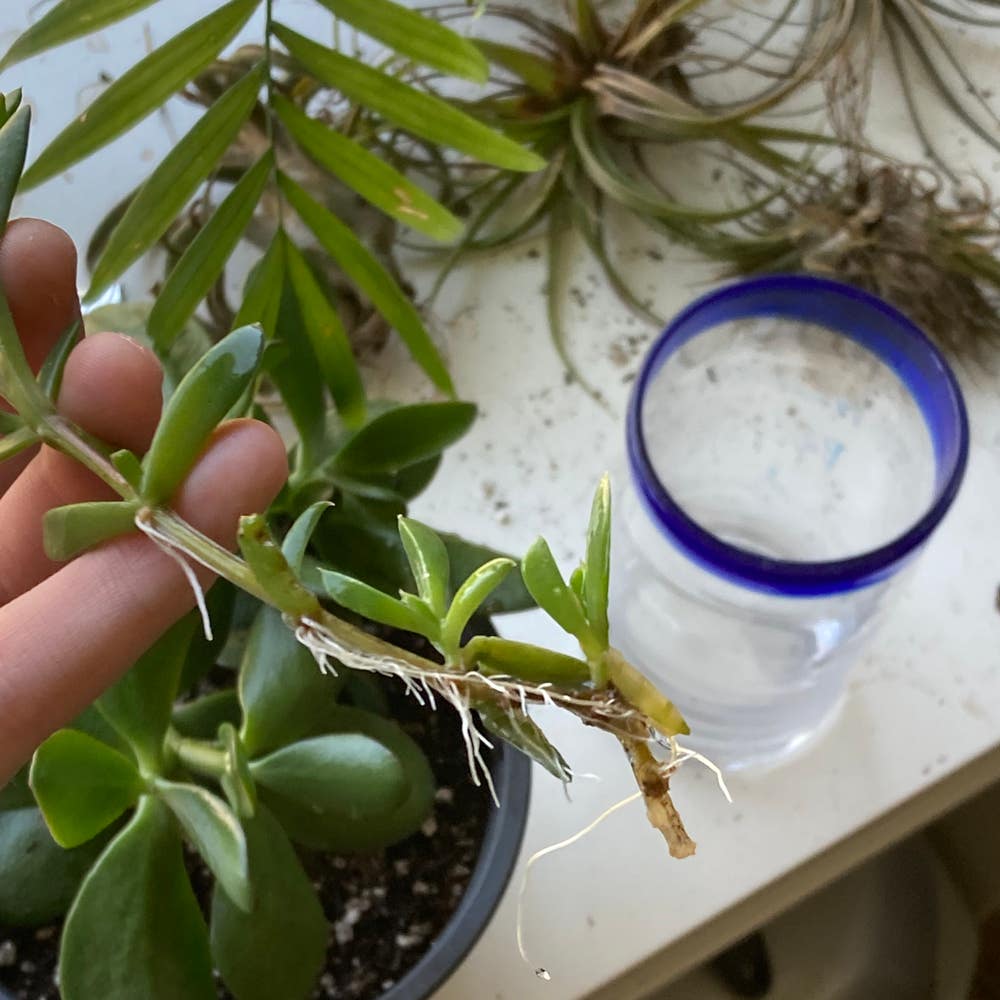
How to Get a Angular Sea-Fig to Bloom
Carpobrotus glaucescens
By the Greg Editorial Team
Jun 16, 2024•4 min read
This article was created with the help of AI so we can cover more plants for you. May contain errors. See one? Report it here.
Unlock your Angular Sea-Fig's blooming potential with these expert care tips! 🌼🔑
- 🌸 Springtime signals bloom for mature Angular Sea-Figs.
- ☀️ 4-6 hours of direct sunlight needed daily for flowers.
- 🌡️ Keep at 65-75°F and 40-50% humidity for vibrant blooms.
Timing the Bloom: When Should You Expect Flowers?
🌸 Seasonal Expectations
Spring is the kickoff for the Angular Sea-Fig's blooming period. Like clockwork, as the chill of winter dissipates, these plants gear up for their floral display.
🌼 Growth Stage and Blooming
Maturity is non-negotiable when it comes to blooms. Young plants are all about the grow, not the show. It's a waiting game until they hit their stride and decide it's showtime.
Light It Up: Sunlight's Role in Flowering
🌞 Sunlight Intensity and Duration
Sunlight is the non-negotiable ticket to the blooming party for your Angular Sea-Fig. It craves those rays like a cat on a sunny windowsill. Four to six hours of direct sunlight daily is the sweet spot, but keep your eyes peeled for signs of sunburn or shade-seeking behavior.
💡 Positioning Your Plant for Optimal Light
Location is everything. Think of your plant as a sun worshipper that doesn't want to get fried. Rotate it regularly to ensure even exposure without playing favorites. If your place is more cave than greenhouse, consider a grow light, but don't turn your abode into a disco at night—plants need their beauty sleep in the dark.
Feeling the Heat: Temperature and Humidity Factors
🌡️ Ideal Temperature Ranges for Blooming
To coax your Angular Sea-Fig into blooming, maintain temperatures between 65-75°F (18-24°C). It's like setting the thermostat for a perpetual spring day—warm enough to encourage flowers, but not so hot that your plant breaks a sweat.
💦 Humidity Levels: Finding the Sweet Spot
Humidity is the wingman to temperature, often overlooked but vital for vibrant blooms. Aim for a humidity level that mimics a light morning mist—around 40-50%. Too dry, and your plant's leaves will crinkle with displeasure; too damp, and you're basically throwing a fungus party. If your indoor air rivals the Sahara, consider a humidifier to up the ante on moisture.
The Cutting Edge: Pruning and Maintenance for Blooms
🌱 Strategic Pruning Techniques
Timing is critical when it comes to pruning your Angular Sea-Fig for maximum flowering. The best period is during the growing season, typically spring or early summer, when the plant's energy is at its peak.
Prune just above a leaf node to encourage branching, which can lead to more flowers. Use clean, sharp tools to make precise cuts, minimizing stress and the risk of disease.
🌿 Regular Maintenance Routines
Regular maintenance is not just about aesthetics; it's about plant health. Removing spent blooms and dead foliage ensures your Angular Sea-Fig isn't wasting resources on parts that no longer serve it.
Keep an eye out for signs of stress in your plant and act quickly. A healthy plant is more likely to reward you with those sought-after blooms. Remember, a little TLC goes a long way in the plant world.
Feed for Speed: Fertilization for Fabulous Flowers
💡 Choosing the Right Fertilizer
Your Angular Sea-Fig is picky when it comes to food. It craves a balanced diet, rich in macronutrients and micronutrients. Think of it as the plant version of a gourmet meal—only the best will do. A fertilizer with equal parts nitrogen, phosphorus, and potassium (N-P-K) is your go-to. Phosphorus is particularly crucial for those stunning blooms.
Don't forget the micronutrients; they're like the seasoning that brings out the best in a dish. Calcium and magnesium will strengthen cell walls, ensuring your plant is not just surviving, but thriving.
🕰️ Fertilization Timing and Dosage
Timing is everything. Begin your fertilization routine at the start of the growing season and continue with regular, moderate feedings. Overdoing it can lead to nutrient burn, which is as bad as it sounds. It's better to underfeed than overfeed—your plant will thank you.
Keep an eye on your Angular Sea-Fig's performance. If it's not responding, don't be afraid to adjust the dosage. And always, always water before you fertilize. It's like stretching before a run—necessary prep to avoid injury.
Remember, consistency is key. Regular, balanced feedings will set the stage for those fabulous flowers you're aiming for.
⚠️ Safety First
This content is for general information and may contain errors, omissions, or outdated details. It is not medical, veterinary advice, or an endorsement of therapeutic claims.
Always consult a qualified healthcare professional before using any plant as food, medicine, or supplement.
Never eat any plant (or feed one to pets) without confirming its identity with at least two trusted sources.
If you suspect poisoning, call Poison Control (800) 222-1222, the Pet Poison Helpline (800) 213-6680, or your local emergency service immediately.
Spotted an error? Please report it here.
Ensure your Angular Sea-Fig's blooming success 🌺 with Greg's personalized care reminders for watering, sunlight exposure, and fertilization schedules!