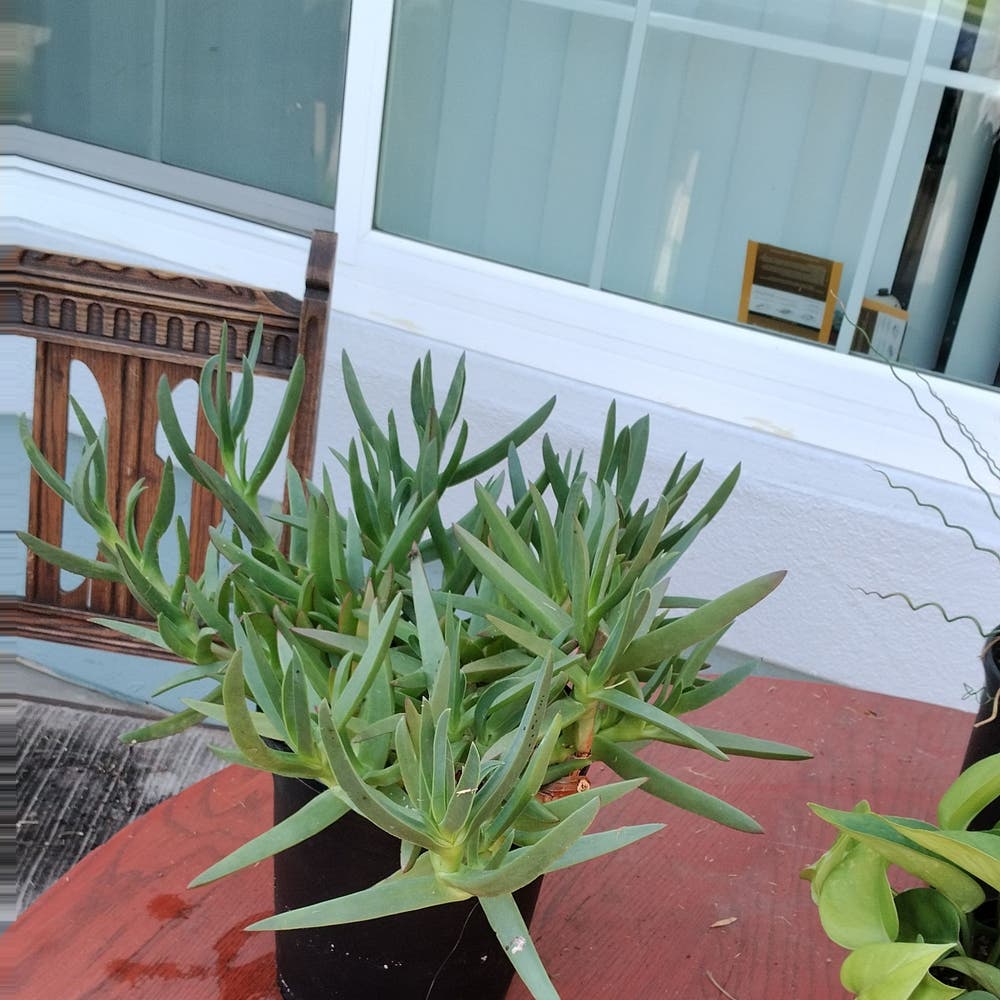
🌵 Optimal Hardiness Zones for Pigface: 9a-11b
Carpobrotus glaucescens
By the Greg Editorial Team
Nov 26, 2024•5 min read
This article was created with the help of AI so we can cover more plants for you. May contain errors. See one? Report it here.
Unlock the secret to thriving Pigface plants 🌱 by mastering their temperature tolerances and ideal growing conditions!
- 🌞 Pigface thrives in USDA zones 9a-11b, ideal for warm climates.
- ❄️ Cold tolerance is limited; prefers temperatures between 70°F to 100°F for optimal growth.
- 🌊 Sandy, well-draining soils and full sun are essential for healthy Pigface cultivation.
Pigface Temperature Tolerance
❄️ Cold Tolerance
Pigface is quite resilient when it comes to cold weather. It can withstand light frost but thrives in warmer conditions, making it a versatile choice for many gardens.
This hardy plant can tolerate temperatures down to 20°F (-6°C) for short periods. However, prolonged exposure to such cold can hinder its growth and overall health.
☀️ Heat Tolerance
On the flip side, Pigface absolutely loves the heat. It flourishes in warm, sunny environments, which is essential for its vibrant growth.
For optimal growth, Pigface prefers temperatures between 70°F to 100°F (21°C to 38°C). This range allows it to reach its full potential, showcasing its beautiful foliage and flowers.
🌡️ Specific Temperature Ranges for Optimal Growth
The ideal conditions for Pigface involve consistent warmth with minimal frost exposure. This stability helps the plant thrive and produce its best results.
Temperature fluctuations can significantly impact growth. Sudden drops or spikes in temperature may stress the plant, affecting its health and productivity.
Understanding these temperature tolerances is crucial for successful Pigface cultivation. With the right conditions, you can enjoy this stunning plant in your garden, setting the stage for the next section on ideal growing regions.
Ideal Growing Regions for Pigface
🌎 Examples of US States in Zones 9a-11b
Pigface thrives in several warm states across the U.S., particularly in California, Florida, Texas, Arizona, and Hawaii. Each of these states offers unique regions that provide the ideal conditions for this resilient plant.
In California, the coastal areas and southern regions are particularly favorable due to their mild winters and ample sunshine. Florida's sandy soils and warm climate create a perfect environment, especially in the southern parts of the state. Texas boasts diverse ecosystems, with the southern and western regions being optimal for Pigface growth. Arizona's desert climate, particularly in the southern areas, provides the heat and sunlight Pigface craves. Lastly, Hawaii's tropical conditions make it a paradise for this plant, allowing it to flourish year-round.
🌱 Factors Contributing to Ideal Growing Conditions
For Pigface to thrive, the right soil type is crucial. This plant prefers sandy, well-draining soils that prevent waterlogging and promote healthy root development.
Sunlight is another key factor. Pigface needs full sun exposure for at least 6 hours daily to grow optimally. Without sufficient sunlight, the plant may struggle to reach its full potential, impacting both growth and flowering.
Understanding these ideal growing conditions can help gardeners and landscapers successfully cultivate Pigface, ensuring vibrant and healthy plants. As we explore further, we’ll look into how microclimates can extend the growing range of Pigface, allowing it to flourish even in less-than-ideal conditions.
Microclimates and Pigface
🌤️ How Microclimates Can Extend Growing Range
Microclimates are localized areas where the climate differs from the surrounding region. These unique conditions can enable Pigface to thrive even outside its typical hardiness zones.
Several factors contribute to the creation of microclimates. Elevation changes can lead to cooler temperatures, while proximity to water bodies can moderate temperature extremes. Urban heat islands, formed by buildings and pavement, can also create warmer pockets that benefit plant growth.
🌊 Examples of Microclimates That Benefit Pigface Growth
There are several specific microclimates where Pigface can flourish. Coastal bluffs provide a unique environment with consistent breezes and moderated temperatures, making them ideal for this plant.
Sheltered gardens can also create favorable conditions. These areas often have reduced wind exposure and can retain warmth, allowing Pigface to grow more robustly.
Urban areas with reflective heat are another excellent example. The heat absorbed by buildings and roads can create a warmer microclimate, extending the growing season for Pigface.
These microclimates not only enhance growth but also improve the overall health of Pigface plants. By understanding and utilizing these unique environments, gardeners can maximize their success with this resilient species.
As we explore the ideal growing regions for Pigface, consider how these microclimates can play a pivotal role in your gardening strategy.
State-Level Analysis
List of US States Suitable for Pigface (Zones 9a-11b) 🌞
Pigface thrives in USDA hardiness zones 9a to 11b, making several states ideal for its growth. The top contenders include:
- California: With its warm coastal climate and sandy soils, California offers perfect conditions for Pigface.
- Florida: The Sunshine State provides ample sunlight and a humid environment, ideal for this succulent.
- Texas: Particularly in the southern regions, Texas boasts warm temperatures and well-draining soils.
- Arizona: Known for its hot, dry climate, Arizona allows Pigface to flourish in sunny gardens.
- Hawaii: The tropical climate and rich volcanic soils create a paradise for Pigface cultivation.
These states not only provide the right temperatures but also have the soil types that support healthy growth.
List of US States Unsuitable for Pigface and Reasons Why 🚫
On the flip side, several states fall outside the ideal range for Pigface, primarily those in USDA zones 1-8. These include:
- North Dakota
- Minnesota
- Maine
- Montana
- Vermont
The reasons for unsuitability are clear: colder temperatures pose a risk of frost, which can damage or kill Pigface plants. Additionally, the soil conditions in these states often lack the well-draining characteristics that Pigface prefers.
Discussion of Frost Dates and Their Impact on Pigface Cultivation ❄️
Understanding frost dates is crucial for successful Pigface cultivation. The first and last frost dates mark the growing season's boundaries, guiding when to plant and harvest.
Frost can severely impact Pigface growth, leading to stunted development or even plant death. To mitigate this risk, gardeners can use strategies such as:
- Choosing frost-resistant varieties: Some Pigface varieties are more tolerant of cooler temperatures.
- Using protective covers: Row covers or cloches can shield plants from unexpected frost.
- Timing planting carefully: Planting after the last frost date ensures a longer growing season.
By being mindful of frost dates and employing protective measures, you can enjoy a thriving Pigface garden even in less-than-ideal conditions.
As we explore the next section, we'll delve into how microclimates can further enhance Pigface cultivation, allowing it to thrive beyond its typical hardiness zones.
⚠️ Safety First
This content is for general information and may contain errors, omissions, or outdated details. It is not medical, veterinary advice, or an endorsement of therapeutic claims.
Always consult a qualified healthcare professional before using any plant as food, medicine, or supplement.
Never eat any plant (or feed one to pets) without confirming its identity with at least two trusted sources.
If you suspect poisoning, call Poison Control (800) 222-1222, the Pet Poison Helpline (800) 213-6680, or your local emergency service immediately.
Spotted an error? Please report it here.
Cultivating vibrant Pigface 🌱 is easy when you leverage Greg's tailored care reminders and tips to ensure it thrives in the warm conditions it loves!