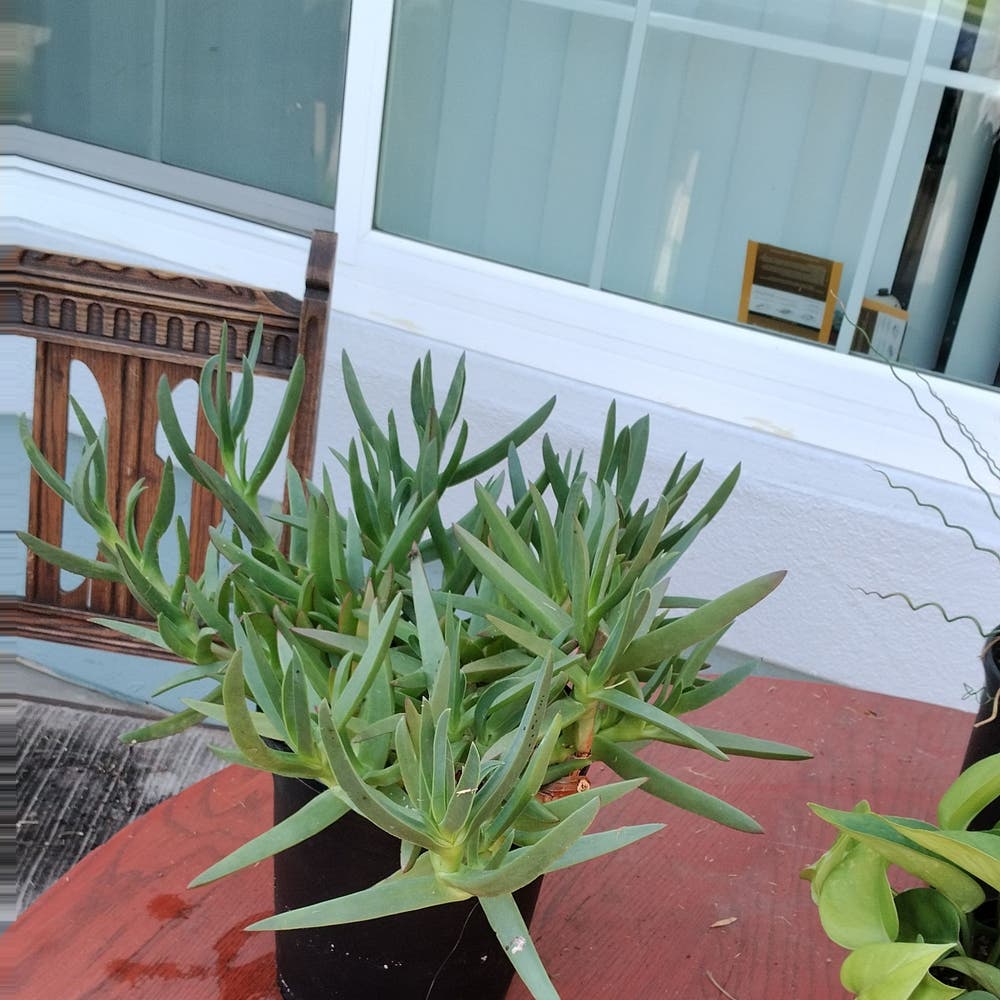
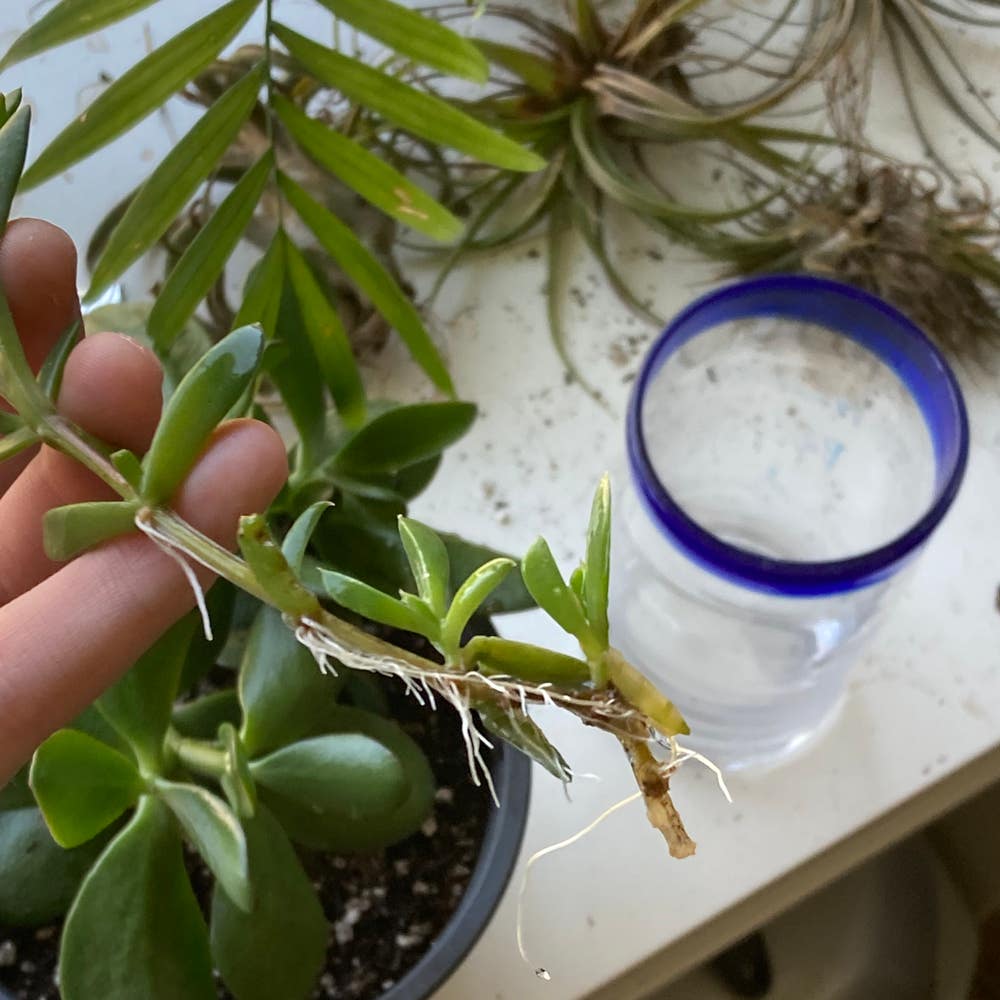
Why Are My Angular Sea-Fig Leaves Falling Over?
Carpobrotus glaucescens
By the Greg Editorial Team
Jun 16, 2024•4 min read
This article was created with the help of AI so we can cover more plants for you. May contain errors. See one? Report it here.
Save your Sea-Fig from drooping doom with this life-saving plant care guide! 🌿
- Overwatering? Yellow leaves and mushy stems signal trouble.
- Underwatering? Look for crispy tips and dry leaves.
- Consistent care prevents future leaf droop: water, light, nutrients, checks.
Spotting the Trouble Signs
🌧️ Wilting Woes: Identifying Overwatered Leaves
Yellow leaves are the classic tattletales of overwatering. If they're more swollen than a stuffed suitcase, they might just burst. Mushy stems? Your plant's roots might be drowning. Check for a soil that's more waterlogged than a swamp and a pot that smells like a forgotten gym locker—it's a surefire sign of root rot.
🏜️ Thirsty Foliage: Signs Your Angular Sea-Fig is Underwatered
When leaves drop faster than hot gossip, underwatering is often the culprit. Crispy brown tips and leaves that feel as dry as yesterday's toast are crying out for hydration. If the soil is as dry as a bone and the pot feels lighter than your conscience on a good day, it's time to quench that thirst.
🌞 Sunburnt or Shivering: How Light and Temperature Affect Leaf Posture
Leaves curling up tighter than a roll of coins? Too much heat or not enough water. If your plant's leaves are more bleached than your favorite jeans, it's probably getting scorched by the sun. On the other hand, leaves stretching out like they're trying to catch a fly ball could be a sign they're starved for light.
🍽️ Hungry for Nutrients: Recognizing Deficiency in Leaves
Stunted growth and pale leaves are the plant's way of saying it's on a diet it never signed up for. If your Angular Sea-Fig is looking more lackluster than a deflated balloon, it might be time to serve up a nutrient cocktail. Remember, timing is everything—feed it when it's hungry, not when it's stuffed.
First Aid for Fallen Leaves
💧 Watering Wonders
Balancing the water diet for your Angular Sea-Fig is crucial. If the soil feels like a wet sponge, let it dry out before watering again. Aim for moisture akin to a wrung-out sponge. Ensure the top inch of soil is dry before the plant's next drink. Overzealous watering leads to droopy leaves, while stinginess can leave them parched.
🌱 Soil that breathes
Choose a soil mix that's the life of the party—airy, light, and never clingy. A mix of potting soil with perlite or coarse sand ensures excellent drainage. This prevents root rot and keeps your Sea-Fig's feet happy.
🌞 Light and Temperature TLC
The ideal light for your Sea-Fig is a bright, indirect spotlight—not the harsh glare of the midday sun. Think of it as a cozy reading nook for your plant. Temperature-wise, keep it consistent. Sudden changes in temperature are like unexpected plot twists—unwelcome and stressful.
🔄 Gradual changes
When changing conditions, patience is a virtue. Introduce new light or temperature settings gradually. This helps your Sea-Fig adapt without throwing a tantrum.
🍽️ Feeding Your Foliage
Craft a nutrient cocktail that's just right. Overfeeding is the botanical equivalent of a sugar crash—avoid it. Use a balanced, water-soluble fertilizer, and always water before feeding to prevent root burn.
👩🌾 Timing is everything
Fertilize when your Sea-Fig is in growth mode, typically in spring and summer. It's like hitting the gym before beach season—timing is everything for that toned look.
Turning the Tide: Preventing Future Flops
💧 Consistency is Key
Watering and feeding should be as regular as your morning alarm. Set a schedule; let the soil dry a bit between waterings. Overwatering is a no-go—think of it as drowning your plant's aspirations. Underwatering? Just as bad. It's like sending your plant on a desert trek without a canteen.
Regular checks are your early warning system. Spot a droopy leaf? Time to play detective with the soil moisture. It's about being proactive, not reactive. Think of it as a health check-up for your green buddy.
🌿 The Right Environment
Pot and placement are your plant's real estate. Choose a pot that allows for growth and breathability. Location? It's all about that sweet spot with just the right light and temperature. Too much sun is a leaf scorcher, too little is a growth stunter.
Seasonal shifts require a gardener's touch. Dial back the H2O when it's cooler; plants aren't chugging water during their winter snooze. Summer? It's hydration station. Remember, your plant's needs change like the seasons—stay attuned and adjust accordingly.
⚠️ Safety First
This content is for general information and may contain errors, omissions, or outdated details. It is not medical, veterinary advice, or an endorsement of therapeutic claims.
Always consult a qualified healthcare professional before using any plant as food, medicine, or supplement.
Never eat any plant (or feed one to pets) without confirming its identity with at least two trusted sources.
If you suspect poisoning, call Poison Control (800) 222-1222, the Pet Poison Helpline (800) 213-6680, or your local emergency service immediately.
Spotted an error? Please report it here.
Keep your Angular Sea-Fig thriving 🌿 with Greg's custom reminders for watering and seasonal care adjustments, ensuring a perfect balance for your plant's health.