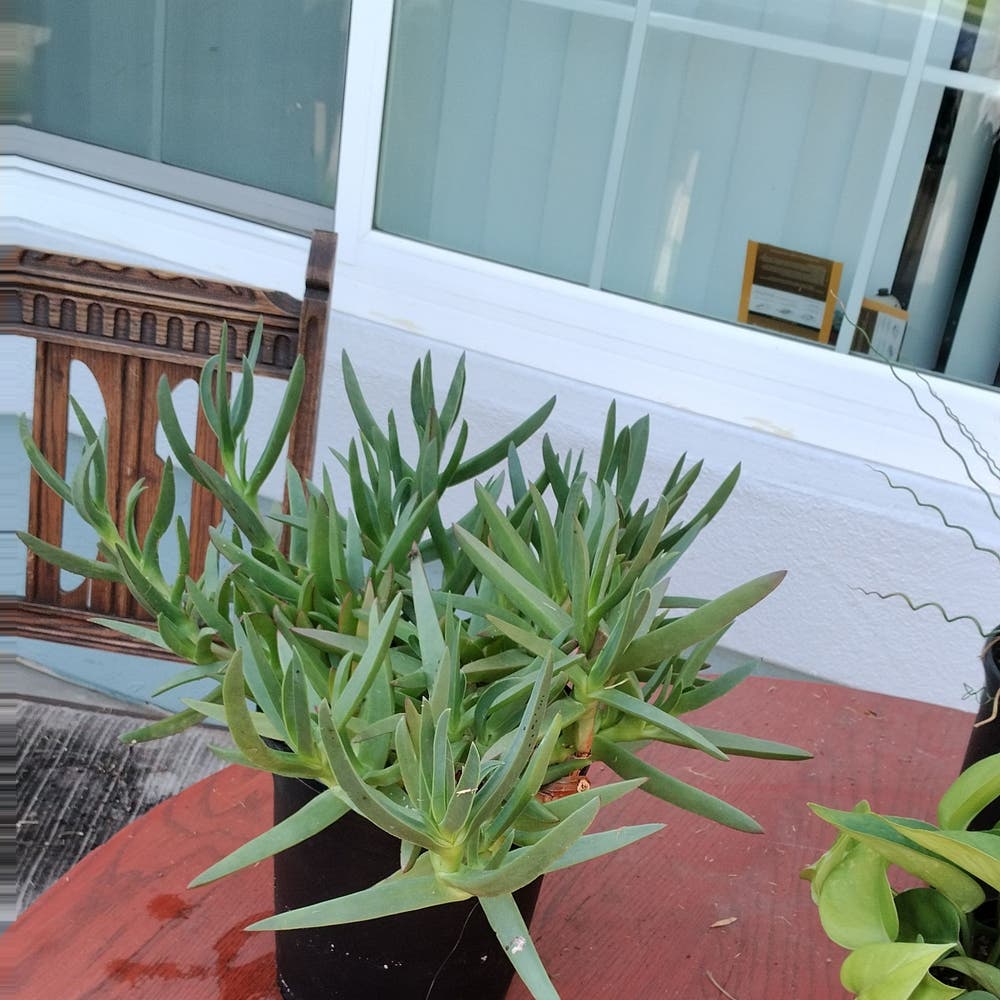
What to Do About Pigface Root Rot 🐷
Carpobrotus glaucescens
By the Greg Editorial Team
Nov 26, 2024•4 min read
This article was created with the help of AI so we can cover more plants for you. May contain errors. See one? Report it here.
Rescue your Pigface from root rot and ensure its vibrant health with these essential diagnosis and prevention tips! 🌱💧
- 🌱 Recognize root rot symptoms like wilting leaves and foul odors for timely action.
- 🔍 Inspect roots and soil moisture to identify and prevent root rot effectively.
- 🧴 Use sterilized tools and fresh soil to treat and repot affected Pigface plants.
Symptoms of Root Rot
Recognizing the symptoms of root rot in your Pigface is crucial for timely intervention. Here are the key signs to watch for:
🌱 Root Discoloration
One of the first indicators of root rot is root discoloration. If you notice dark, mushy roots, it’s a clear sign of decay that needs immediate attention.
🍂 Wilting Leaves
Wilting leaves can be deceptive. Even if you’re watering adequately, stressed leaves may signal underlying root issues.
💛 Yellowing Foliage
Yellowing foliage often points to nutrient uptake problems. When roots are compromised, the plant struggles to absorb essential nutrients, leading to this telltale sign.
🤢 Foul Odor
A foul odor emanating from the soil is a strong indicator of rotting roots. If your plant starts to smell unpleasant, it’s time to investigate further.
Understanding these symptoms can help you act quickly to save your Pigface. Next, we’ll explore how to diagnose root rot effectively.
How to Diagnose Root Rot
Diagnosing root rot in your Pigface plant is crucial for saving its health. Here are some effective techniques to identify the problem early.
👀 Visual Inspection
Start with a visual inspection of your plant. Look for signs of wilting leaves and discoloration, which are often the first indicators of root rot.
🔍 Root Examination
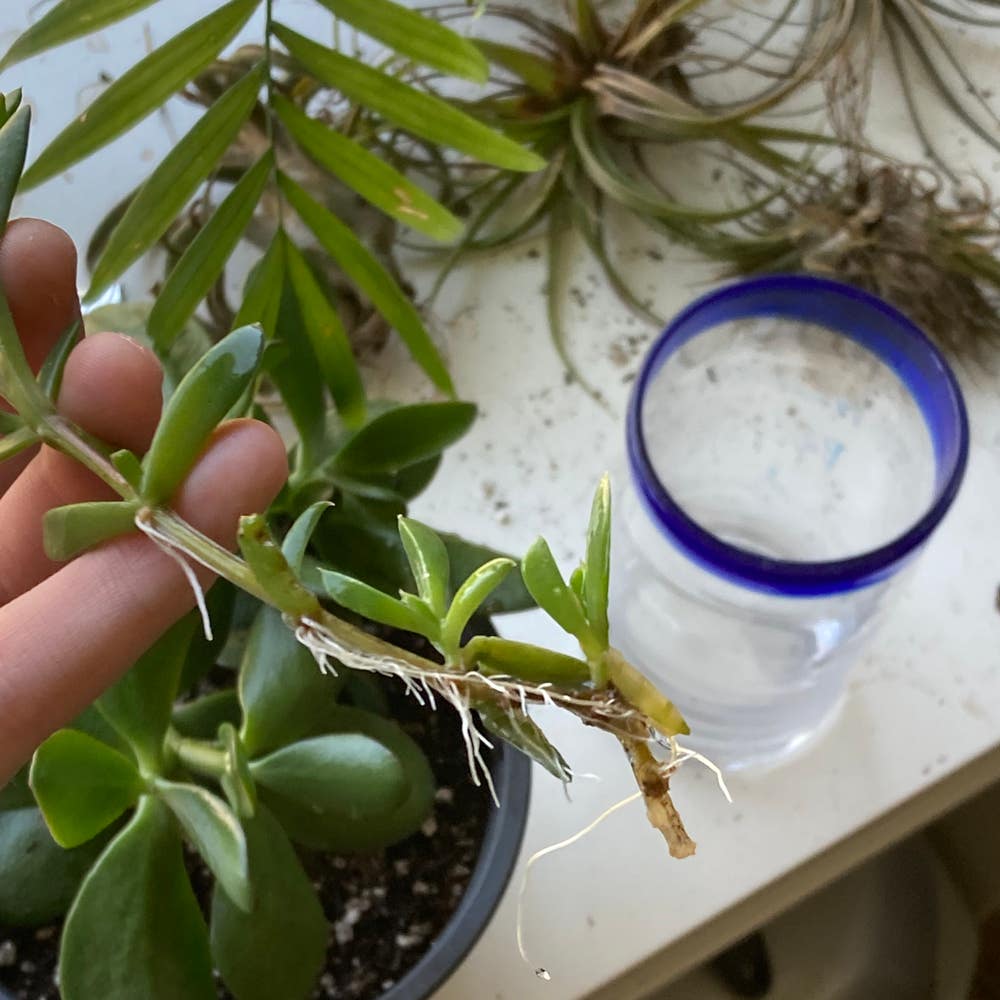
Next, gently pull the plant from its pot. This allows you to inspect the roots directly for any signs of decay or damage.
💧 Soil Moisture Levels
Assess the moisture content in the soil. Overly wet soil can be a significant contributor to root rot, so understanding its moisture levels is key.
📏 Use of a Moisture Meter
For a more accurate reading, consider using a moisture meter. This handy tool can help you determine the soil's moisture levels precisely, ensuring you can take action before it's too late.
By following these diagnostic techniques, you can catch root rot early and take the necessary steps to treat it effectively. Next, we’ll explore how to alleviate root rot and restore your Pigface to health.
Alleviating Root Rot
Step-by-step Treatment for Root Rot 🌱
Dealing with root rot can feel daunting, but with a clear plan, you can save your Pigface. Follow these steps to alleviate the issue effectively.
Remove the plant from its pot: Gently take out the Pigface to avoid further damage. Be careful not to disturb the roots too much during this process.
Inspect the roots: Look closely at the roots to identify which ones are healthy and which are affected. Healthy roots should be firm and white, while rotten roots will appear dark and mushy.
Trim affected roots: Use sterilized scissors to cut away any rotten parts. This helps prevent the spread of decay to healthy roots.
Clean the pot: Disinfect the pot with a bleach solution to eliminate any lingering pathogens. A clean environment is crucial for your plant's recovery.
Repot in fresh soil: Use well-draining soil suitable for Pigface. This will provide the necessary nutrients and prevent future moisture retention issues.
Recommended Fungicides 🧪
Using fungicides can be an effective way to combat root rot. Here’s what you need to know about them.
Types of fungicides: There are two main types: systemic and contact fungicides. Systemic fungicides are absorbed by the plant, while contact fungicides act on the surface.
Application methods: Apply fungicides according to the product instructions. Ensure even coverage, especially around the root zone.
Recommended products: Look for specific brands or active ingredients known to be effective against root rot. Products containing azoxystrobin or propiconazole are often recommended.
By following these steps and utilizing fungicides, you can give your Pigface a fighting chance against root rot. Next, let’s explore how to prevent this issue from occurring in the first place.
Preventing Root Rot
Best Soil Types 🌱
Choosing the right soil is crucial for preventing root rot in your Pigface. Aim for a sandy, well-draining mix that is also nutrient-rich to support healthy growth.
Importance of Drainage 🚰
Drainage is your best friend when it comes to keeping roots healthy. Always use pots with drainage holes and consider adding gravel at the bottom to enhance water flow.
Watering Schedule 💧
Establishing a proper watering schedule is essential. Adjust your frequency based on the season and climate, and always look for signs of adequate moisture, like slightly dry topsoil, to guide your watering practices.
Final Thoughts 📝
By implementing these best practices, you can significantly reduce the risk of root rot. Remember, a little attention to soil, drainage, and watering can go a long way in keeping your Pigface thriving.
⚠️ Safety First
This content is for general information and may contain errors, omissions, or outdated details. It is not medical, veterinary advice, or an endorsement of therapeutic claims.
Always consult a qualified healthcare professional before using any plant as food, medicine, or supplement.
Never eat any plant (or feed one to pets) without confirming its identity with at least two trusted sources.
If you suspect poisoning, call Poison Control (800) 222-1222, the Pet Poison Helpline (800) 213-6680, or your local emergency service immediately.
Spotted an error? Please report it here.
Keep your Pigface thriving and root rot-free 🌱 by using Greg's personalized watering reminders and moisture monitoring tools to catch issues early and ensure optimal care!