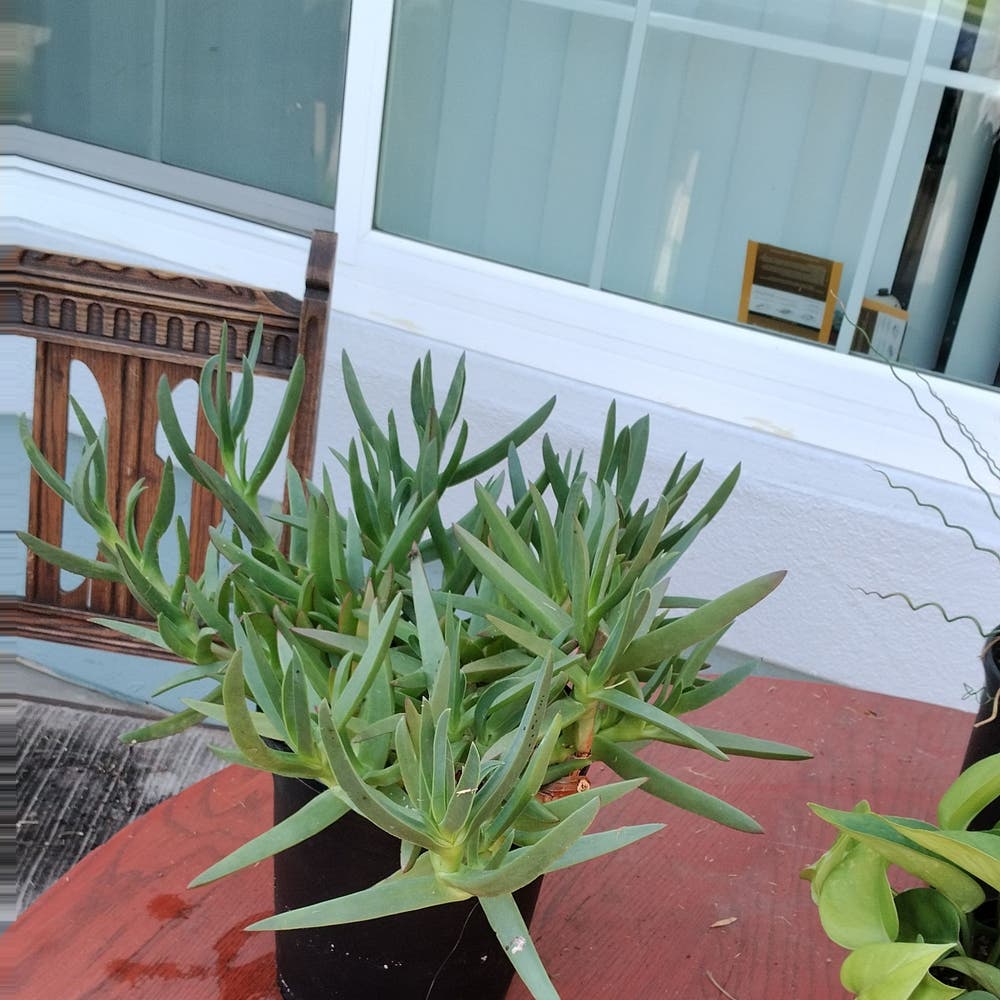
🌵 What is a Angular Sea Fig? Complete Guide
Carpobrotus glaucescens
By the Greg Editorial Team
Jan 24, 2025•13 min read
This article was created with the help of AI so we can cover more plants for you. May contain errors. See one? Report it here.
Discover the Angular Sea Fig's resilience and beauty, perfect for transforming your garden into a thriving oasis! 🌊🌱
- 🌞 Angular Sea Fig needs 6-8 hours of sunlight daily for optimal growth.
- 🌱 Well-draining sandy soil with pH 6.0-7.0 prevents root rot.
- 💧 Water deeply but infrequently to avoid leaf rot and promote healthy growth.
How to Grow
🌞 Choosing a Location
To thrive, the Angular Sea Fig needs full sun, soaking up 6-8 hours of sunlight daily. It also prefers well-draining sandy soil, which helps prevent waterlogging.
🏜️ Soil Preparation
Good drainage is crucial; ensure your soil drains well to avoid root rot. Aim for a pH level between 6.0 and 7.0 for optimal growth.
🌱 Planting Techniques
When planting, space your Angular Sea Figs 12-18 inches apart to allow for healthy growth. Make sure to plant them at the same depth they were in their nursery container.
🚰 Watering Requirements
Water your plants deeply but infrequently, allowing the soil to dry out between watering sessions. Using drip irrigation or watering at the base can help prevent leaf rot.
🍽️ Fertilizing
Opt for a balanced, slow-release fertilizer to nourish your plants. Fertilize every 4-6 weeks during the growing season for best results.
✂️ Pruning
Prune your Angular Sea Fig in early spring to remove any dead or damaged leaves. Use clean, sharp scissors to tidy up overgrown areas effectively.
👀 Ongoing Care
Keep an eye on your plants for signs of stress or disease. Adjust your watering and fertilizing routines based on seasonal changes to keep them healthy and thriving.
With these steps, you’ll set your Angular Sea Fig up for success, ensuring it flourishes in your garden. Next, let’s explore how to propagate this resilient plant for even more greenery!
Propagation
🌱 Methods of Propagation
Propagation of the Angular Sea Fig can be achieved through two primary methods: seeds and cuttings. Both methods are straightforward and can yield healthy new plants.
📝 Step-by-Step Instructions for Each Method
Seeds
- Sow seeds about 1/4 inch deep in well-draining soil.
- Keep the soil consistently moist until germination, which typically takes 7-14 days.
Cuttings
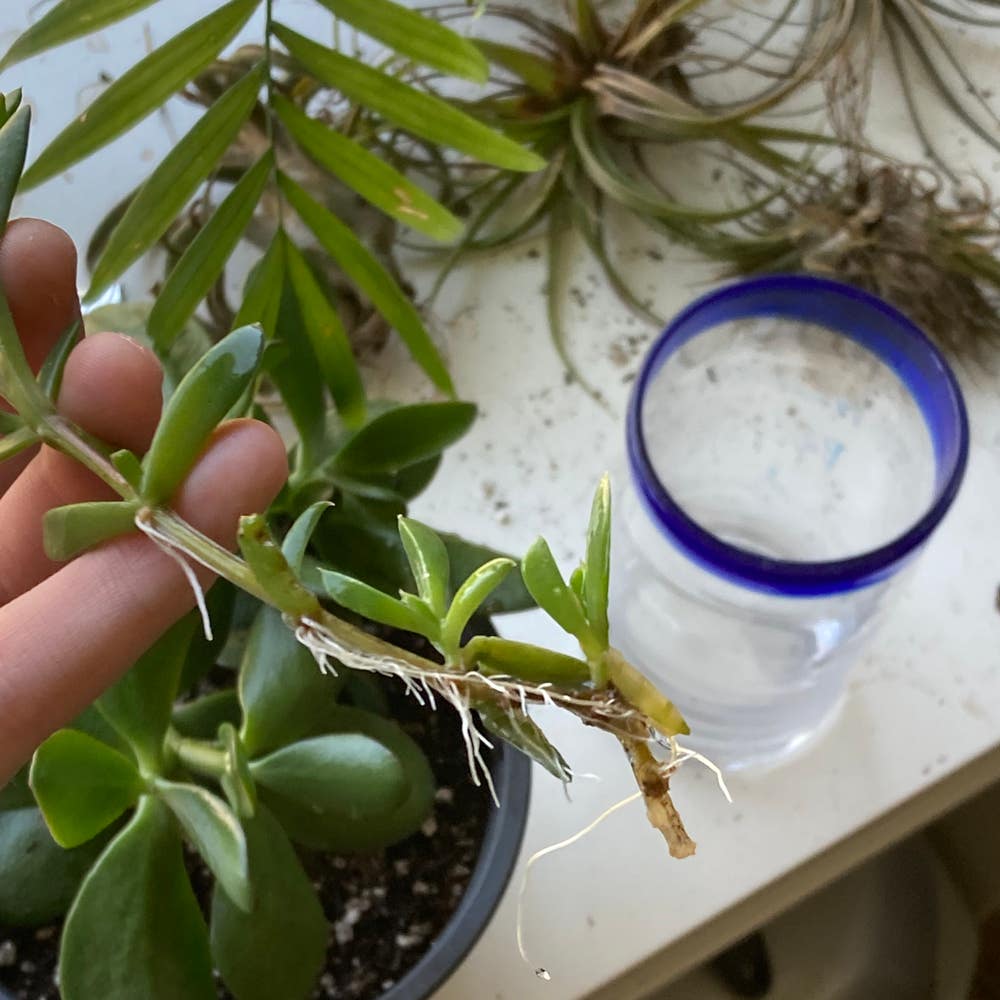
- Take 4-6 inch cuttings from healthy, mature plants.
- Allow the cuttings to callous for 1-2 days before planting them in a sandy mix, watering lightly afterward.
⏰ Timing and Conditions for Successful Propagation
The best time to propagate Angular Sea Fig is during spring or early summer. Ensure conditions are warm, ideally between 70°F to 80°F, with bright indirect light to encourage healthy growth.
This approach to propagation not only enhances your garden but also allows you to share this resilient plant with friends and family. As you embark on this journey, remember that patience is key; nurturing these plants will lead to beautiful results.
Lifecycle
Lifecycle Stages 🌱
The lifecycle of the Angular Sea Fig is a fascinating journey that begins with germination. Seeds typically sprout within 7-14 days, marking the start of their growth adventure.
Once germinated, the plants enter the seedling stage, where they develop true leaves in about 2-4 weeks. This is a crucial phase as the plant establishes itself.
Next comes the vegetative growth stage, a period of rapid growth that can last several months. During this time, the plant focuses on building its structure and foliage.
As summer approaches, the Angular Sea Fig bursts into bloom, showcasing its vibrant flowers. Following this flowering phase, seeds develop, ensuring the continuation of the species.
Duration to Maturity ⏳
From seed to maturity, the Angular Sea Fig takes approximately 1-2 years. This moderate growth rate allows it to reach heights of up to 1 foot per year, making it a rewarding plant for gardeners.
Understanding these lifecycle stages helps in providing the right care at each phase, ensuring a healthy and thriving Angular Sea Fig. As we move forward, let’s explore how to effectively propagate this resilient plant.
Size
Mature Height and Spread 🌱
The Angular Sea Fig typically reaches a height of 1 to 2 feet, making it a manageable addition to any garden. It can spread impressively, extending up to 3 feet wide, providing excellent ground cover.
Growth Rate and Factors Affecting Size 📈
This plant exhibits a moderate growth rate, which can be influenced by several factors. Sunlight exposure, soil quality, and water availability all play crucial roles in determining how quickly it grows.
Size Variability 📏
The size of the Angular Sea Fig can vary significantly based on its growing conditions. For instance, plants grown in containers may not reach the same dimensions as those planted directly in the ground.
Key Influences 🔑
- Sunlight: Full sun promotes robust growth.
- Soil Quality: Well-draining sandy soil supports healthy development.
- Water Availability: Adequate watering practices ensure optimal size.
Understanding these factors can help you cultivate a thriving Angular Sea Fig that fits beautifully into your landscape. With the right care, you can enjoy its vibrant presence and unique characteristics for years to come.
Roots
Characteristics of the Root System 🌱
The Angular Sea Fig boasts a robust fibrous root system that can extend up to 2 feet deep. This extensive lateral spread helps the plant anchor itself securely while efficiently absorbing nutrients and water.
Common Root-Related Issues ⚠️
Root health is crucial for the Angular Sea Fig's vitality. Overwatering can lead to root rot, which manifests as wilting and yellowing leaves. Conversely, if the plant is in a container, it may become rootbound, where the roots circle the pot, restricting growth and nutrient uptake.
Visual Cues for Healthy vs. Unhealthy Roots 👀
Identifying root health is straightforward. Healthy roots are firm and exhibit a white or light tan color, indicating vitality. In contrast, unhealthy roots appear dark, mushy, or may even emit a foul smell, signaling potential problems.
Tips for Managing Root Health 🛠️
To maintain healthy roots, keep an eye out for signs of rootbound plants, such as roots visible at the drainage holes. If you notice this, consider repotting into a larger container or amending the soil to improve drainage, ensuring your Angular Sea Fig thrives.
Understanding the root system is essential for successful growth. With proper care, your Angular Sea Fig will flourish, setting the stage for the next topic on its numerous benefits.
Benefits
🌊 Erosion Control
One of the standout benefits of the Angular Sea Fig is its ability to stabilize sandy soils, effectively preventing erosion. This makes it a fantastic choice for coastal gardens or areas prone to soil loss.
💧 Drought Tolerance
Once established, the Angular Sea Fig is remarkably drought-tolerant. It thrives with minimal water, making it an excellent option for low-maintenance gardens.
🌼 Aesthetic Appeal
With its bright flowers, this plant adds a splash of color to any garden. Its vibrant blooms not only enhance beauty but also attract attention from passersby.
🦋 Wildlife Habitat
The Angular Sea Fig plays a crucial role in supporting local ecosystems. It attracts pollinators and beneficial insects, contributing to a thriving garden environment.
🌱 Ground Cover
This plant is effective at suppressing weeds, making it a practical choice for garden beds. Its dense growth helps keep unwanted plants at bay, allowing your desired flora to flourish.
🌊 Cultural Significance
Beyond its practical benefits, the Angular Sea Fig symbolizes coastal resilience. It showcases adaptability in harsh environments, reflecting the strength of nature in overcoming challenges.
Incorporating the Angular Sea Fig into your garden not only enhances its beauty but also supports the environment. With its numerous benefits, this plant is a wise choice for any gardener looking to make a positive impact.
Companion Plants
🌱 Explanation of Companion Planting
Companion planting is a gardening technique that promotes diversity and enhances pest management. By strategically placing plants together, you can create a more resilient garden ecosystem.
🌿 List of Compatible Companion Plants
Consider these companions for your Angular Sea Fig:
- Lavender: Not only does it repel pests, but it also attracts pollinators, adding beauty and functionality to your garden.
- Yarrow: This hardy plant improves soil health and draws beneficial insects, making it a great partner for your sea fig.
- Sedums: With similar care needs and drought tolerance, sedums complement the Angular Sea Fig beautifully.
🚫 Plants to Avoid
When planning your garden, steer clear of heavy feeders. These plants require high nutrient levels, which can compete with your Angular Sea Fig for resources, potentially stunting its growth.
By choosing the right companions, you can enhance the health and beauty of your garden while minimizing pest issues. This thoughtful approach not only benefits your Angular Sea Fig but also creates a thriving environment for all your plants.
Ready to explore propagation methods next? Let's dive into how to grow more Angular Sea Figs!
Toxicity to Humans
Safety of Angular Sea Fig for Humans 🌱
The Angular Sea Fig is generally considered safe for humans. It is not listed as toxic by major poison control centers, making it a low-risk plant for handling and consumption in small amounts.
Potential Minor Issues ⚠️
While the plant is safe, some individuals may experience mild skin irritation or digestive discomfort if they consume large quantities. It's always wise to be cautious and aware of your body's reactions.
Recommendations for Caution 🩺
Even with its safety profile, it's best to exercise caution with any plant. If you notice unusual symptoms after handling or consuming Angular Sea Fig, seek medical advice promptly.
This knowledge can help you enjoy the benefits of this unique plant while ensuring your well-being. Now that we've covered its safety, let's explore its edible properties and how you can incorporate them into your diet.
Edible Properties
Edible Parts 🌱
The Angular Sea Fig offers delightful culinary options, with its young leaves and flowers being the stars of the show. However, it's best to avoid the stems, as they are not recommended for consumption.
Identification, Harvesting, and Preparation Instructions 🥗
To enjoy these edible parts, harvest the young leaves in spring when they're tender and vibrant. Be sure to rinse them thoroughly before adding them to your dishes for a fresh taste.
Nutritional Value and Health Benefits 🥦
These leaves and flowers are not just tasty; they're packed with vitamins and minerals. Consuming them may aid in hydration and digestion, making them a nutritious addition to your diet.
Incorporating Angular Sea Fig into your meals can be a fun way to explore new flavors while reaping health benefits. Whether tossed in a salad or used as a garnish, this plant can enhance your culinary experience.
As you consider adding this unique plant to your garden, remember its potential to enrich your diet and bring a touch of coastal charm to your table.
Toxicity to Dogs
Safety of Angular Sea Fig for Dogs 🐶
The Angular Sea Fig is generally safe for dogs. It is not listed as toxic by major pet poison control centers, which is reassuring for pet owners.
Potential Minor Issues ⚠️
While the plant poses minimal risk, excessive consumption may lead to mild gastrointestinal upset. It's always best to monitor your furry friends after they interact with any new plant.
Tips for Introducing to Homes with Dogs 🏡
To keep your dog safe, place the Angular Sea Fig out of reach of curious noses. Additionally, keep an eye on your pet's behavior around the plant to catch any unusual reactions early on.
With these precautions, you can enjoy the beauty of the Angular Sea Fig while ensuring your dog's safety. Next, let’s explore its toxicity to cats and what you need to know for a pet-friendly home.
Toxicity to Cats
Safety of Angular Sea Fig for Cats 🐱
The Angular Sea Fig is generally safe for cats. It is not listed as toxic by major pet poison control centers, allowing you to enjoy this plant without worry.
Potential Minor Issues ⚠️
However, if consumed in large quantities, it may cause mild gastrointestinal upset. It's always best to keep an eye on your furry friends when they explore new plants.
Tips for Introducing to Homes with Cats 🏡
To ensure a safe environment, place the Angular Sea Fig out of reach of curious cats. Regularly monitor their behavior to catch any unusual reactions early on, ensuring both your plant and your pet stay happy and healthy.
As you consider adding this plant to your home, remember that a little caution goes a long way in keeping your feline companions safe.
Problems
🕵️♂️ Identification and Causes of Issues
Growing Angular Sea Fig can be rewarding, but problems may arise.
Incorrect Watering: Overwatered plants often display yellowing leaves, while underwatered ones may wilt dramatically.
Incorrect Light Conditions: Insufficient light can lead to leggy growth, making the plant look sparse and unhealthy.
Diseases: Fungal issues, such as powdery mildew, can develop in humid conditions, threatening the plant's vitality.
🛠️ Solutions for Common Problems
Addressing these issues is crucial for maintaining a healthy Angular Sea Fig.
Overwatering: Allow the soil to dry out between waterings and improve drainage to prevent root rot.
Underwatering: Increase your watering frequency and regularly check soil moisture to keep the plant hydrated.
Poor Light: If your plant is stretching for light, move it to a sunnier location to encourage robust growth.
Fungal Diseases: Apply fungicide as needed and enhance air circulation around the plant to reduce humidity levels.
Root Problems: Inspect the roots for signs of being rootbound and repot into a larger container if necessary.
By staying vigilant and proactive, you can ensure your Angular Sea Fig thrives in your garden. Next, let’s explore the potential pest issues that may affect your plant.
Bugs
🐜 Potential Pest Issues
While the Angular Sea Fig is moderately pest-resistant, it can still fall prey to a few common pests. Keeping an eye out for these invaders is essential to maintain the health of your plant.
🔍 Identification and Damage Caused by Pests
Spider Mites: These tiny pests leave fine webbing on leaves, which can lead to leaf drop if not addressed promptly.
Mealybugs: Recognizable by their white, cotton-like masses, mealybugs can stunt growth and weaken your plant.
🛠️ Effective Treatment Options
To combat these pests, consider using Neem Oil, a natural pesticide that effectively controls infestations without harming beneficial insects.
Another option is Insecticidal Soap, which works well against soft-bodied pests like mealybugs. Regularly check your plants and apply these treatments as needed to keep your Angular Sea Fig thriving.
By staying vigilant and proactive, you can ensure your Angular Sea Fig remains healthy and vibrant. Next, let’s explore what animals might be interested in snacking on this resilient plant.
What Eats Angular Sea Fig
🦌 Common Animals That May Damage Angular Sea Fig
Angular Sea Fig can attract a variety of hungry critters.
- Deer: Look for signs like chewed leaves and broken stems, indicating their presence.
- Rabbits: If you notice clipped stems and missing foliage, these little nibblers might be the culprits.
🐾 Signs of Animal Presence and Damage Types
Identifying animal damage early can save your plants from further harm.
- Squirrel Activity: Scratching or digging around the base of the plant often signals squirrel interest.
- Rodents: Gnaw marks on stems are a clear indication that rodents are taking a bite out of your garden.
🚫 Deterrent Methods
Protecting your Angular Sea Fig from these pests is essential for its health.
- Fencing: Installing barriers can effectively keep larger animals like deer at bay.
- Repellents: Consider applying commercial or homemade repellents to deter smaller pests and keep your plants safe.
By staying vigilant and employing these strategies, you can help ensure your Angular Sea Fig thrives without unwanted visitors. Next, let’s explore how to manage common problems that may arise during its growth.
⚠️ Safety First
This content is for general information and may contain errors, omissions, or outdated details. It is not medical, veterinary advice, or an endorsement of therapeutic claims.
Always consult a qualified healthcare professional before using any plant as food, medicine, or supplement.
Never eat any plant (or feed one to pets) without confirming its identity with at least two trusted sources.
If you suspect poisoning, call Poison Control (800) 222-1222, the Pet Poison Helpline (800) 213-6680, or your local emergency service immediately.
Spotted an error? Please report it here.
Transform your garden into a pollinator paradise 🐝 with the Angular Sea Fig by using Greg's tailored care tips and reminders to keep your plants thriving and healthy!