Angular Sea-Fig Root Rot Solutions
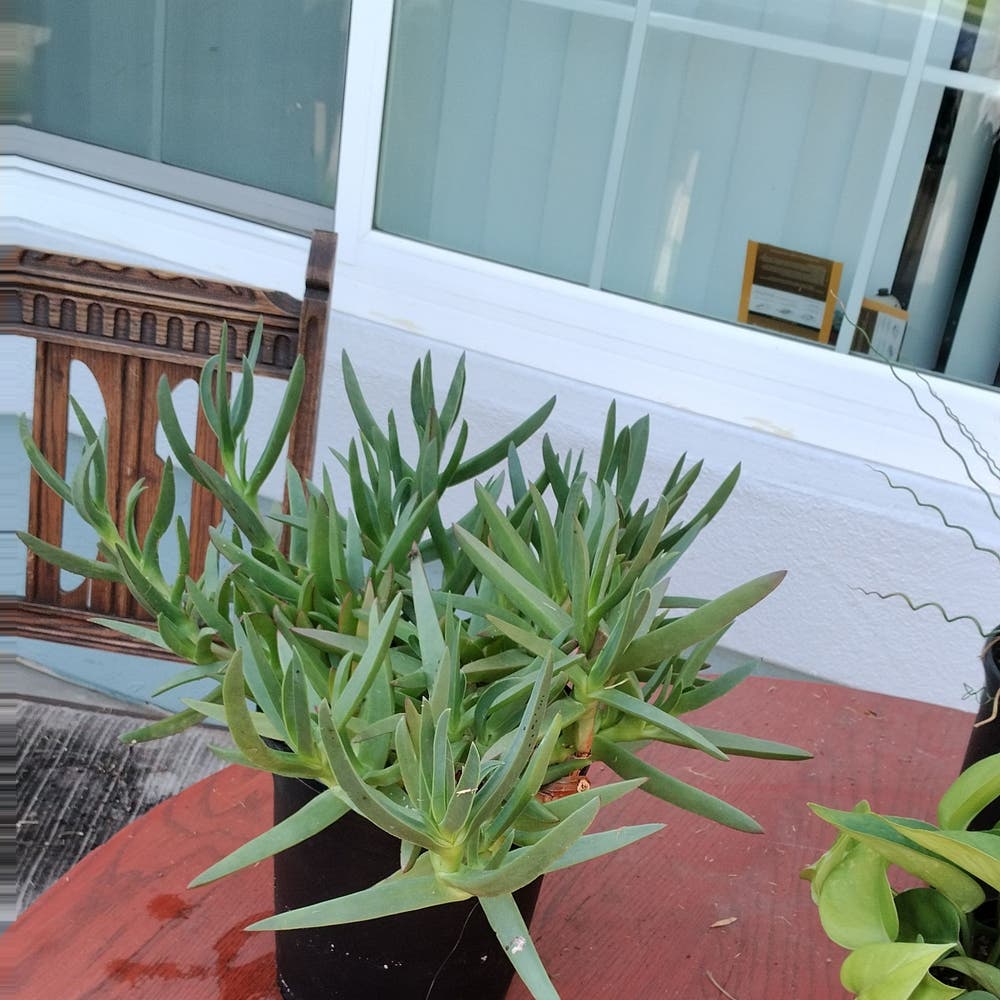
Carpobrotus glaucescens
By the Greg Editorial Team
Jun 16, 2024•5 min read
This article was created with the help of AI so we can cover more plants for you. May contain errors. See one? Report it here.
Rescue your Angular Sea-Fig from root rot with proven recovery and prevention strategies! 🚑🌿
- Yellow leaves and wilting signal root rot in Angular Sea-Fig.
- Prune and repot using well-draining soil and pots with drainage.
- Water wisely—only when topsoil is dry and with a tailored schedule.
Spotting the Red Flags: Recognizing Root Rot in Angular Sea-Fig
🚨 Visual Symptoms
Yellowing leaves and wilting are the Angular Sea-Fig's version of a distress signal. These visual cues are your first hint that the plant is struggling below the surface.
When the once vibrant foliage begins to droop and lose its luster, it's not just having a bad day—it's a clear indication that your plant could be suffering from root rot.
🕵️ Beyond Sight: Other Sensory Clues
Don't rely on sight alone; touch and smell are key detectives in the root rot investigation. Roots should be firm, not reminiscent of soggy spaghetti.
A foul odor emanating from the soil is a dead giveaway that root rot has set in. This isn't just a case of bad plant hygiene—it's a serious cry for help.
First Response: Immediate Actions to Combat Root Rot
🚱 Stop the Waterworks
Cease watering immediately. Your Angular Sea-Fig's life may depend on it. Let the soil dry out completely, which is essential to halt the progression of root rot. Overwatering is the archenemy in this scenario, and it's time to cut off its lifeline.
🏥 Surgical Strike: Pruning Rotten Roots
Step 1: Identify and Remove
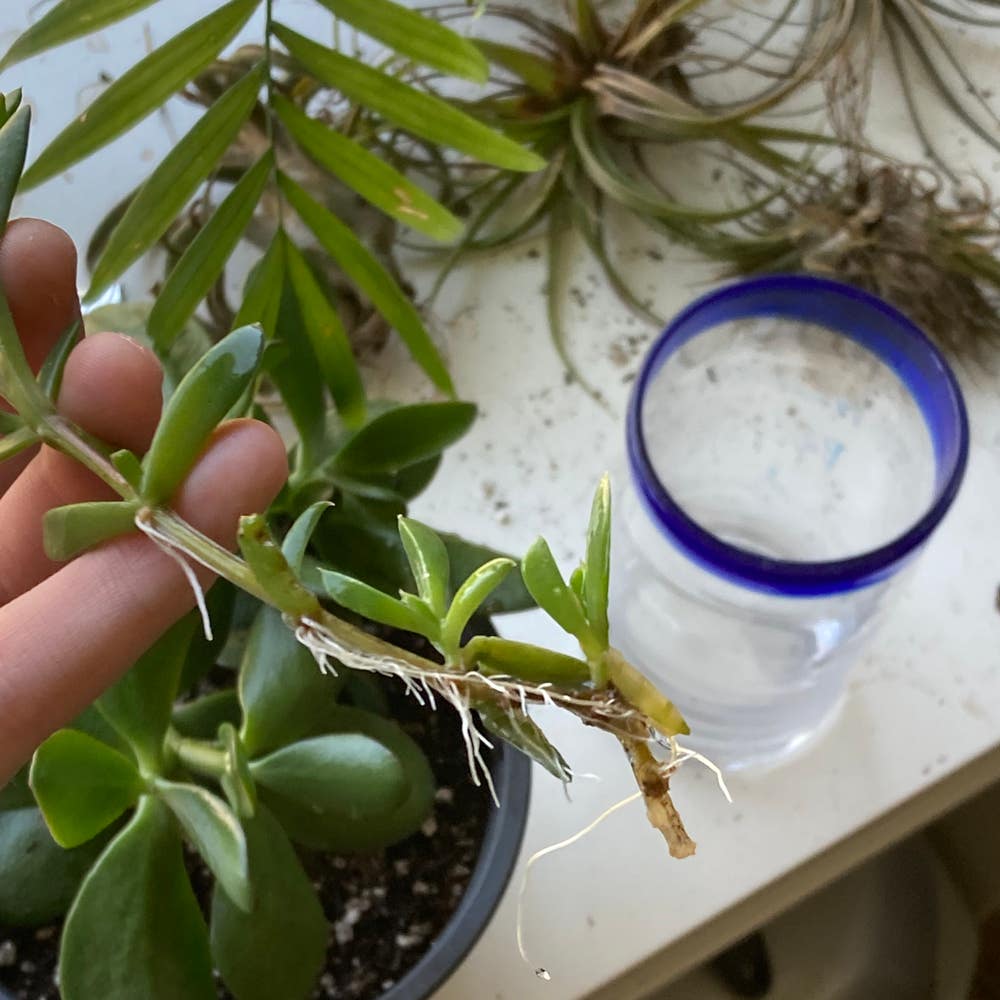
Spot the damaged roots—these will be soft, brown, and possibly emitting a foul odor, akin to decay. With sterilized shears, carefully cut away the affected roots. It's a delicate balance: remove too little, and the rot could continue; remove too much, and the plant may struggle to recover.
Step 2: Disinfect
After pruning, it's crucial to disinfect the remaining roots. Use a copper-based fungicide to ward off any remaining pathogens. Think of it as applying antiseptic to a wound—it's about preventing further infection.
Step 3: Balance the Foliage
To help the Angular Sea-Fig balance its energy, match the pruning above ground to the amount of root removed. This can help the plant maintain equilibrium as it heals.
Step 4: Sterilize Your Tools
Cleanliness is paramount. Sterilize your tools before and after this operation to prevent spreading any infections. It's like washing your hands in a surgical ward—non-negotiable.
Remember, the key to beating root rot is swift, decisive action. Cut out the rot, disinfect, and ensure proper drainage. Your Angular Sea-Fig will thank you.
Rebooting the System: Long-Term Recovery Strategies
🌱 Soil Overhaul
After a bout of root rot, your Angular Sea-Fig deserves a soil revolution. Out with the old, in with the new—completely replace the compromised soil. Choose a well-draining mix; ingredients like perlite, coarse sand, or coco coir are your allies here. They're like the bouncers at the club, keeping excess water from drowning the party. Ensure the new mix is sterile to avoid introducing pathogens to your already stressed plant.
🌿 Repotting for a Fresh Start
Repotting is like hitting the reset button on your plant's life. Gently remove your Angular Sea-Fig from its current pot, being careful with its delicate roots. Shake off the old soil and inspect for any lingering signs of rot—snip these off promptly. When choosing a new pot, think drainage holes; they're non-negotiable. A size up is ideal, giving your plant room to grow without swimming in excess space. Before introducing your plant to its new home, consider a quick dip in a fungicide—think of it as a mini detox. Then, repot with the new soil mix, but resist the urge to water immediately. Let the soil be dry for a bit, like a desert waiting for rain. This pause allows your plant to settle and start healing. Only water when the topsoil feels dry to the touch, and even then, go easy. Overwatering is the fast track back to root rot city.
Fortifying Defenses: Preventative Measures Against Future Attacks
💧 Watering Wisdom
Crafting a watering schedule that suits the Angular Sea-Fig's needs is like setting a smart alarm—it should be precise and responsive to the plant's lifestyle.
The Right Amount
Check the soil before watering; if the top inch feels like a dry desert, it's time to bring the rain. If it's damp, hold off—your plant isn't thirsty yet.
Timing is Everything
Water in the early morning to give leaves a fighting chance to dry out, dodging the bullet of fungal infections.
🏡 The Right Home: Pot and Soil Selection
Choosing the right pot and soil is as crucial as picking a good neighborhood for your plant's roots.
Pot Perfection
Terracotta pots are the unsung heroes for Angular Sea-Fig. Their porous nature lets soil breathe and prevents water from throwing a pool party for your plant's roots.
Drainage is Key
Ensure your pot has more holes than a block of Swiss cheese—drainage holes are non-negotiable.
Soil Savvy
Go for the life of the party soil—well-draining and never a soggy downer. It's the best friend your Angular Sea-Fig could ask for.
Size Matters
Don't let your plant swim in an oversized pot. Choose a size that's just right—one size larger than the current one is the sweet spot.
Remember, these aren't just tips; they're your plant's insurance policy against root rot.
⚠️ Safety First
This content is for general information and may contain errors, omissions, or outdated details. It is not medical, veterinary advice, or an endorsement of therapeutic claims.
Always consult a qualified healthcare professional before using any plant as food, medicine, or supplement.
Never eat any plant (or feed one to pets) without confirming its identity with at least two trusted sources.
If you suspect poisoning, call Poison Control (800) 222-1222, the Pet Poison Helpline (800) 213-6680, or your local emergency service immediately.
Spotted an error? Please report it here.
Prevent Angular Sea-Fig root rot by spotting the early warnings 🚨, and let Greg's tailored watering reminders keep your green friend in top shape!