Why Is My Angular Sea-Fig Not Doing Well?
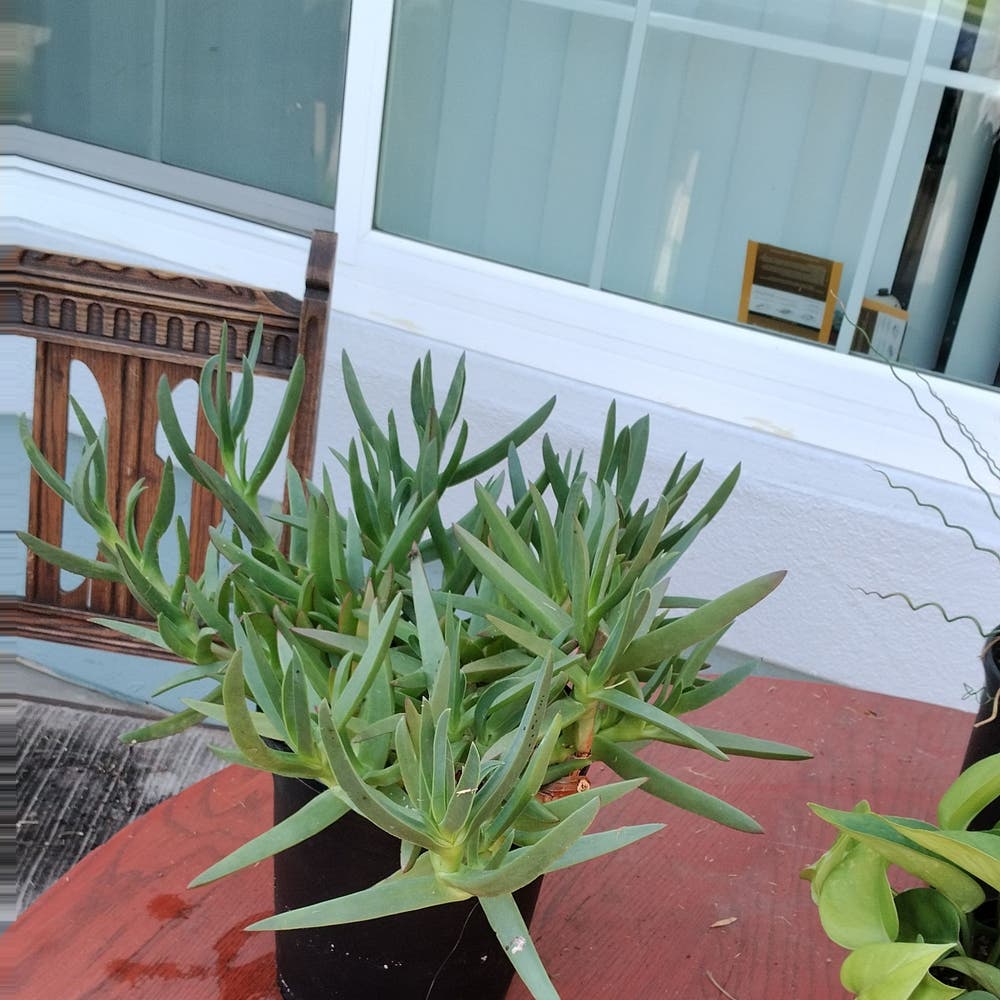
Carpobrotus glaucescens
By the Greg Editorial Team
Jun 16, 2024•5 min read
This article was created with the help of AI so we can cover more plants for you. May contain errors. See one? Report it here.
Save your wilting Angular Sea-Fig 🌿 from common care mistakes with this life-saving guide!
- 🌊 Over-watering? Let soil dry out; use pots with drainage.
- 🌞 Bright, indirect light and consistent 65-75°F temps are key.
- 🐛 Combat pests and fungus with soapy water or fungicides.
When Water Woes Wilt Your Angular Sea-Fig
💦 Too Much Love: Over-watering
Soggy Symptoms and How to Dry Out the Drama
Yellow, swollen leaves may scream "I've had too much!" when your Angular Sea-Fig is over-watered. In a case of aquatic overzealousness, leaves might even burst, a clear sign to ease up on the H2O. To combat the damp despair, stop watering and let the soil take a breather. If the roots have turned to a mushy, dark mess, it's time for a rescue mission. Trim the rot, dip the survivors in fungicide, and repot in fresh, well-draining soil. It's like a spa day for your plant's roots, minus the cucumber slices.
🌱 Soil and Pot Check-Up for a Healthier Hydration Balance
A pot with drainage holes is non-negotiable, unless you fancy a mini swamp. Choose a container size that's just right—not too big, not too small, Goldilocks-style. Remember, a shallow pot suits the Angular Sea-Fig's shallow roots. Adjust watering with the seasons; less in winter, more during the growth spurts of spring and autumn. And if you're living in a rainforest-like abode, ease up on the watering can.
🏜️ Thirsty Plant Problems: Under-watering
Spotting the Signs of a Parched Angular Sea-Fig
When your Angular Sea-Fig looks more wrinkled than a linen shirt in a suitcase, it's parched. Under-watering leaves it lackluster and crispy—not the good kind of crispy. If the soil is drier than a stand-up comedian's wit, it's time to quench that thirst. Submerge the pot in water for a solid soak, ensuring the moisture reaches the plant's very soul. When the topsoil feels like a damp sponge, you've hit the watering sweet spot.
Quenching the Thirst Without Drowning the Roots
It's a delicate balance—like carrying a full coffee cup on a bumpy bus ride. To avoid overcompensating, give your Angular Sea-Fig a thorough drink, then let it be. Keep an eye on the soil; it should stay friendly, not clingy. If you're the overbearing plant parent type, consider a soil mix that won't hold onto water like a grudge.
Light and Temperature Tango
🌞 Sunburn and Shade: Finding the Light Sweet Spot
Bright, indirect sunlight is the Goldilocks zone for your Angular Sea-Fig. Too much direct sun, and you'll see leaves crispier than toast. Scorched leaves are a cry for shade. Conversely, if your plant starts stretching out, it's begging for more light.
🕶 Shady Solutions
Rotate your plant to prevent uneven tanning. If it's looking pale, move it to a spot with gentle rays. But keep it away from the midday sun unless you want a plant that resembles a fried snack.
Keeping It Cool: Temperature Consistency
Your Angular Sea-Fig dislikes temperature swings more than a cat dislikes water. Keep it between 65-75°F (18-24°C) to avoid temperature-induced tantrums.
🌡 Climate Control
Stabilize your plant's environment like you're setting the perfect room temperature—consistent and comfortable. Watch for signs of stress, like wilting or discoloration, and adjust accordingly. Remember, your plant's comfort zone is a steady, unchanging climate.
Pesky Pests and Fungal Foes
🐛 Bug Battles: Dealing with Uninvited Guests
Aphids, spider mites, and mealybugs—these are the usual suspects when your Angular Sea-Fig starts to look less than stellar. Check the undersides of leaves and stems for sticky residues or fine webbing, the telltale signs of these freeloaders.
To show these pests the door, start with a soapy water wash. If they're stubborn, escalate to insecticidal soap or neem oil. These act like your plant's personal bouncers. Remember, regular leaf inspections are crucial to catch these critters early.
🍄 Mold and Fungus: The Unseen Enemies
Mold and fungus are like the stealthy ninjas of the plant world, often going unnoticed until they've done significant damage. Black spots or a musty smell are your plant's distress signals.
Improve air circulation and water at the base to keep leaves dry, setting up a no-entry zone for these invaders. If they've already set up shop, it's time for fungicides—think of them as your plant's personal bouncer. But use them wisely; more isn't always better.
Root Rot: The Silent Killer
🌱 Unearthing the Underground Issues of Your Angular Sea-Fig
Root rot in Angular Sea-Figs is a covert crisis. It's the plant equivalent of a heart attack, striking from within. Yellowing leaves and a general look of despair are your cues to investigate.
🚑 Rescue Remedies to Revive and Restore Root Health
Step 1: Unpot and Inspect
Carefully remove your Angular Sea-Fig from its pot. Healthy roots are firm and white. If they're brown and squishy, you've got a problem.
Step 2: Prune the Rotten Roots
With sterilized scissors, cut away all the affected roots. It's a delicate operation—think of it as plant surgery.
Step 3: Disinfect
Give the remaining roots a bath in a hydrogen peroxide solution (1 part peroxide to 3 parts water) or use cinnamon as a natural antifungal.
Step 4: Repot
Plant your Angular Sea-Fig in fresh, well-draining soil. This is like upgrading to first-class for your plant's roots.
Step 5: Water Wisely
Moderation is key. Water your Angular Sea-Fig just enough to quench its thirst without causing another root rot relapse.
Step 6: Monitor and Maintain
Keep a close eye on your plant. Regular root check-ups can prevent a repeat performance of this soggy saga.
Remember, catching root rot early is crucial. At the first sign of trouble, act decisively. Your Angular Sea-Fig will thank you with a return to its former glory.
⚠️ Safety First
This content is for general information and may contain errors, omissions, or outdated details. It is not medical, veterinary advice, or an endorsement of therapeutic claims.
Always consult a qualified healthcare professional before using any plant as food, medicine, or supplement.
Never eat any plant (or feed one to pets) without confirming its identity with at least two trusted sources.
If you suspect poisoning, call Poison Control (800) 222-1222, the Pet Poison Helpline (800) 213-6680, or your local emergency service immediately.
Spotted an error? Please report it here.
Combat your Angular Sea-Fig's woes from over-watering to pests with decisive action and Greg's tailored reminders 🛡️, ensuring your plant's health and happiness.