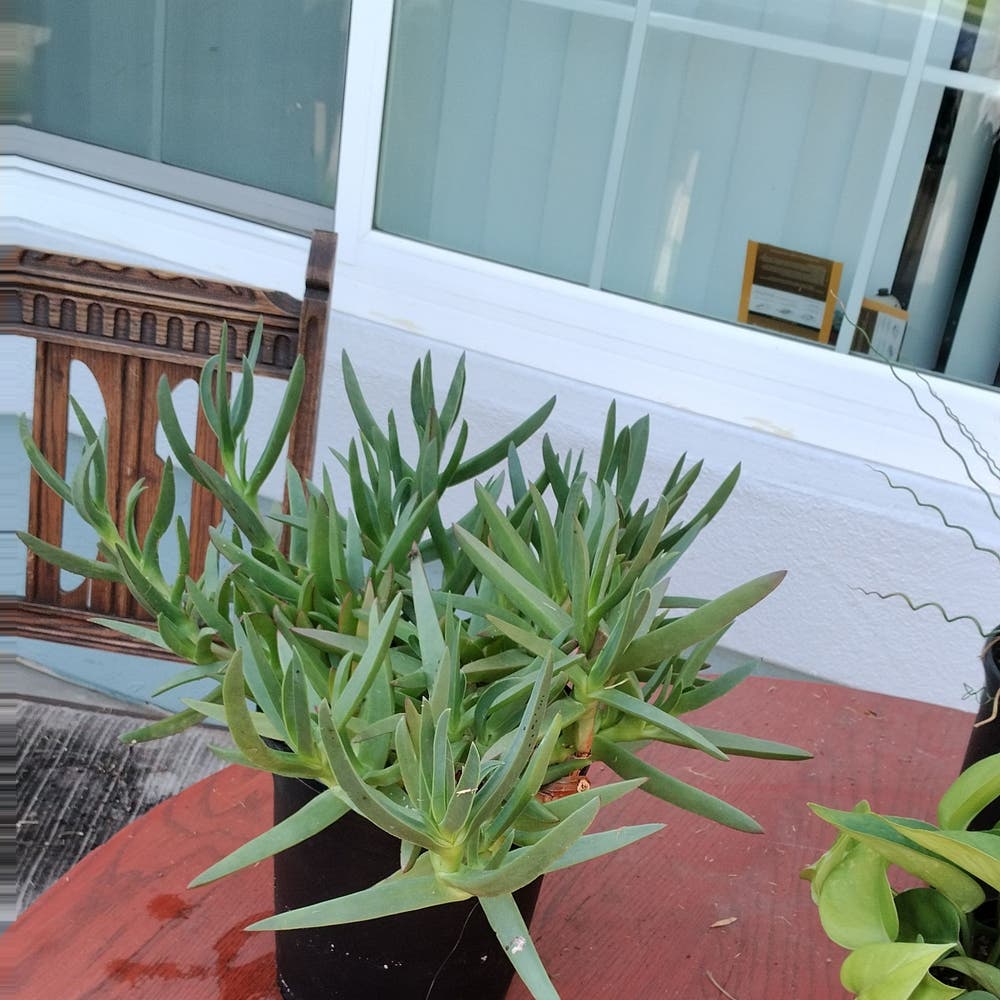
How to Fertilize Your Angular Sea-Fig
Carpobrotus glaucescens
By the Greg Editorial Team
Jun 16, 2024•4 min read
This article was created with the help of AI so we can cover more plants for you. May contain errors. See one? Report it here.
Nourish your Angular Sea-Fig to full bloom 🌼 with these expert fertilization tips for plant perfection!
- Essential nutrients: Nitrogen, phosphorus, potassium for Angular Sea-Fig health.
- Seasonal fertilizing: Spring and summer for growth, less in fall and winter.
- Fertilizing technique: Moist soil, even application, and follow-up watering.
Picking the Right Food for Your Angular Sea-Fig
💡 Understanding Nutrient Needs
Nitrogen, phosphorus, and potassium are the trifecta of nutrients vital for the Angular Sea-Fig's growth and blooming. A balanced fertilizer, rich in these elements, encourages a spectacular display of flowers. It's not just about the big three, though; micronutrients play the role of a supporting cast, essential for the plant's overall health.
🍽️ Fertilizer Options
🌱 Organic versus Synthetic Fertilizers
Organic fertilizers, like compost or fish bone meal, are the slow and steady winners for long-term plant health. They improve soil structure and release nutrients gradually. Synthetic options, on the other hand, are the fast-acting solutions, providing immediate nutrient boosts.
🚰 Slow-release versus Liquid Fertilizers
Slow-release fertilizers are a set-it-and-forget-it choice, requiring less frequent application. They're forgiving for those who can't stick to a strict fertilizing schedule. Liquid fertilizers offer more control and a quicker response, but they demand a more hands-on approach. The choice between them hinges on your lifestyle and gardening preferences.
Timing is Everything: When to Fertilize
⏰ Seasonal Fertilizing Tips
Spring signals the start of the Angular Sea-Fig's growth spurt. It's time to break out the fertilizer as new shoots emerge. This initial feeding frenzy sets the tone for the upcoming bloom bonanza. Keep the nutrients coming throughout summer, tailoring your schedule to the plant's active growth phase.
Come fall, it's time to ease up on the feeding. Your Angular Sea-Fig is winding down, preparing for its winter nap. Continuing a heavy fertilization regimen now is akin to piling on the blankets when it's already warm—unnecessary and potentially stifling.
🌱 Life Stage Fertilizing
Young Angular Sea-Figs are like teenagers with bottomless stomachs—they need ample nutrients to support their rapid growth. Don't skimp on the fertilizer; these fledgling plants are laying down roots and need all the help they can get.
In contrast, mature plants have settled into their skin. They require a more measured approach to fertilization. Overfeeding a fully-grown Angular Sea-Fig is like offering a buffet to someone who's just had a full meal—overkill. Keep an eye out for growth cues, such as new leaf formation or the onset of a bloom cycle, to determine when to fertilize.
The Art of Fertilizing Angular Sea-Fig
💪 Step-by-Step Fertilizing Process
To kickstart your Angular Sea-Fig's growth, begin with moist soil. This is non-negotiable. Water the plant to shield the roots from potential nutrient burn. Now, grab your fertilizer and follow the label's instructions to the letter. This isn't the time for guesswork.
- Water your plant thoroughly before applying fertilizer.
- Measure the recommended amount of fertilizer.
- Apply the fertilizer evenly around the base of the plant, avoiding direct contact with the stems or leaves.
- Water again lightly to help the fertilizer penetrate the soil and reach the roots.
🚫 Avoiding Common Mistakes
Over-fertilization is the silent killer of many houseplants. Symptoms include yellowing leaves and stunted growth. If your Angular Sea-Fig looks more like a victim of a chemical spill than a thriving plant, you've likely gone overboard.
- Stick to the prescribed fertilizer amount; more is not better.
- Observe your plant for any signs of distress after fertilizing.
Under-fertilization can be just as deceptive. A lackluster appearance or slow growth can signal your Angular Sea-Fig is running on empty.
- Ensure consistent fertilizing according to the plant's growth stage and season.
- Watch for pale leaves or a general lack of vigor, which may indicate a need for more nutrients.
Troubleshooting Fertilization Issues
🚨 Spotting Trouble Early
- Signs your Angular Sea-Fig is over or under-fed
🛠 Quick Fixes for Fertilizer Faux Pas
- Adjusting your fertilization strategy
- When to flush the soil and start fresh
Troubleshooting Fertilization Issues
🟡 Spotting Trouble Early
Yellowing leaves or a lack of blooms might not just be your Angular Sea-Fig being dramatic; it's likely crying out for nutrients. Conversely, if the tips of the leaves are as brown as burnt toast, take it as a sign you've been a little too generous with the feed.
🛠 Quick Fixes for Fertilizer Faux Pas
If you've been heavy-handed with the fertilizer, stop feeding your plant immediately. It's like an intervention but for plants. Flush the soil with water to rinse away the excess – think of it as a detox for your Angular Sea-Fig's roots. If the soil looks more like a salt flat than a nurturing medium, it's time to repot with fresh soil. Remember, moderation is your new mantra.
⚠️ Safety First
This content is for general information and may contain errors, omissions, or outdated details. It is not medical, veterinary advice, or an endorsement of therapeutic claims.
Always consult a qualified healthcare professional before using any plant as food, medicine, or supplement.
Never eat any plant (or feed one to pets) without confirming its identity with at least two trusted sources.
If you suspect poisoning, call Poison Control (800) 222-1222, the Pet Poison Helpline (800) 213-6680, or your local emergency service immediately.
Spotted an error? Please report it here.
Let Greg craft personalized reminders for your Angular Sea-Fig's fertilization schedule 🌱, ensuring peak health and vibrant growth without the guesswork.