Ultimate Guide to Pigface Lifecycle 🐷
Carpobrotus glaucescens
By the Greg Editorial Team
Nov 26, 2024•6 min read
This article was created with the help of AI so we can cover more plants for you. May contain errors. See one? Report it here.
Transform your garden into a vibrant oasis by mastering the growth stages of Pigface! 🌱🌸
- 🌱 Pigface seeds remain viable for long periods under optimal conditions.
- 🌞 Germination thrives at 20-25°C with well-draining soil; soak seeds for best results.
- 🌼 Pigface flowers bloom in vibrant colors, attracting pollinators like bees.
Seed and Germination Stage
🌱 Description of Seed Structure and Viability
Pigface seeds are small and fleshy, designed to remain viable for extended periods. Their longevity is influenced by several factors, including moisture, temperature, and light exposure.
🌡️ Germination Process and Conditions
To achieve optimal germination, specific conditions must be met:
- Temperature: Aim for a range of 20°C to 25°C (68°F to 77°F).
- Soil Type: Use well-draining sandy or loamy soil.
- Light Requirements: Light exposure significantly enhances germination rates.
Step-by-Step Germination Process
- Soak seeds in water for 24 hours to boost moisture absorption.
- Sow seeds at a depth of 1/4 inch in prepared soil.
- Maintain consistent moisture without causing waterlogging.
⏳ Duration of Germination Stage
Under ideal conditions, germination typically takes 7-14 days. Factors such as temperature, moisture levels, and seed age can influence how quickly this process occurs.
As you embark on the journey of growing Pigface, understanding the seed and germination stage sets a solid foundation. Next, we'll explore the fascinating seedling stage, where your efforts begin to sprout into life.
Seedling Stage
🌱 Characteristics of Pigface Seedlings
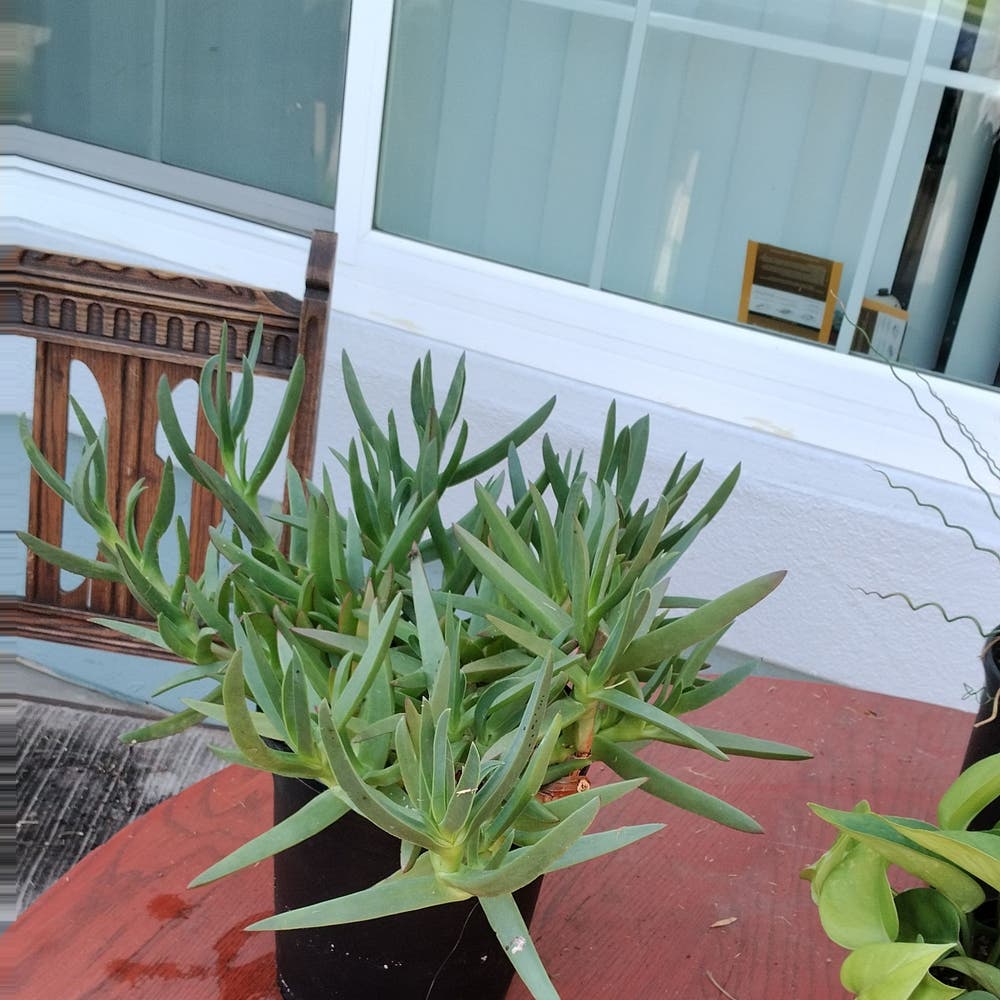
Pigface seedlings are easily recognizable by their fleshy leaves and low-growing, spreading habit. This unique structure allows them to establish quickly and develop robust root systems.
☀️ Environmental Requirements for Seedlings
To thrive, pigface seedlings need full sun exposure for at least six hours each day. They require moderate moisture; however, it's crucial to avoid overwatering, as this can lead to root rot.
Soil Needs
A well-draining substrate is essential to support healthy growth. Sandy or loamy soils work best, ensuring that excess water can escape while retaining enough moisture for the seedlings.
⏳ Duration of Seedling Stage
The seedling stage typically lasts about four to six weeks. During this time, seedlings develop 2-3 true leaves, signaling that they are robust enough for transplanting.
As the seedlings mature, they prepare to transition into the vegetative growth stage, where their unique characteristics will continue to flourish.
Vegetative Growth Stage
🌱 Description of Vegetative Growth Characteristics
During the vegetative growth stage, pigface exhibits remarkable growth habits. Its trailing stems can stretch up to 1 meter (3 feet) long, creating a lush, sprawling appearance.
The leaves are thick, fleshy, and succulent, designed to store water efficiently. This adaptation is crucial for survival in arid environments.
🌿 Factors Influencing Vegetative Growth
Several factors play a role in the vegetative growth of pigface. Soil fertility is essential; while the plant has low nutrient requirements, it benefits from occasional fertilization to boost growth.
Water availability is another critical factor. Pigface is drought-tolerant, thriving even in poor conditions, which makes it a resilient choice for challenging landscapes.
Temperature also influences growth. The optimal range for pigface is between 15°C to 30°C (59°F to 86°F), where it can flourish and reach its full potential.
⏳ Duration of Vegetative Growth Stage
The vegetative growth stage typically lasts between 6 to 12 months, depending on environmental conditions. Under ideal circumstances, pigface can grow several centimeters each week, showcasing its rapid growth ability.
As the plant matures, it prepares for the next stages of its lifecycle, transitioning smoothly into flowering. This growth phase sets the foundation for the vibrant blooms that follow, making it an exciting time for any gardener or plant enthusiast.
Flowering Stage
🌸 Flowering Characteristics of Pigface
Pigface showcases vibrant, daisy-like blooms that come in stunning shades of pink, purple, and yellow. This eye-catching display typically occurs in late spring to early summer, making it a highlight of the season.
🐝 Pollination and Reproductive Strategies
Pollination in Pigface is primarily carried out by insects, particularly bees, which are attracted to its colorful flowers. Interestingly, some varieties possess the ability to self-pollinate, enhancing their chances of reproductive success in various environments.
⏳ Duration of Flowering Stage
The flowering stage lasts about 4-6 weeks, with peak bloom occurring mid-season. Factors such as light availability, temperature, and water stress can significantly influence the flowering duration and overall health of the blooms.
As we transition from the flowering stage, we will explore the fascinating process of seed production and maturation, where the cycle of life continues for Pigface.
Seed Production and Maturation
🌱 Process of Seed Production in Pigface
Seed production in Pigface begins after successful pollination, which leads to the formation of seed pods. These pods are crucial as they house the seeds that will eventually ensure the continuation of the plant's lifecycle.
🌬️ Seed Dispersal Mechanisms
Once the seeds are ready, they need to find new homes. Wind and water play significant roles in dispersing these seeds, allowing them to travel to new locations where they can germinate and grow.
⏳ Maturation Time for Seeds
The maturation period for Pigface seeds typically spans 4 to 8 weeks following flowering. During this time, the seeds develop fully within their pods.
🕵️♂️ Indicators of Seed Readiness
You can tell when the seeds are ready for dispersal by observing the pods. They will turn brown and dry, signaling that the seeds inside are ripe and prepared for the next stage of their journey.
📅 Overall Lifespan of Pigface and Its Growth Rate
Under optimal conditions, Pigface generally has a lifespan of 1 to 2 years. Its growth rate is particularly impressive during the vegetative stage, with maturity often reached in about a year.
This rapid growth and efficient seed production ensure that Pigface can thrive in its environment, setting the stage for the next exciting phase of its lifecycle.
Notable Changes Throughout Lifecycle
🌱 Physical Changes During Each Growth Stage
The lifecycle of Pigface showcases remarkable transformations.
In the seed stage, small, dormant seeds lie in wait, ready to spring to life.
As they transition to the seedling stage, they develop fleshy leaves and establish robust root systems, setting the foundation for future growth.
During the vegetative stage, the plants exhibit significant elongation of stems and an increase in leaf production, creating a lush, green appearance.
Finally, in the flowering stage, vibrant flowers emerge, attracting pollinators with their striking colors and shapes.
🌍 Adaptations to Environmental Conditions
Pigface is a master of adaptation, particularly in challenging environments.
Its drought tolerance allows it to thrive in arid conditions, thanks to its ability to store water in its succulent leaves.
Additionally, it shows impressive soil adaptability, flourishing in poor, sandy soils that are typical of coastal habitats.
Finally, its resilience to coastal winds and salt spray makes it perfectly suited for its native environment, ensuring survival and growth even in harsh conditions.
These adaptations not only highlight the plant's tenacity but also its essential role in coastal ecosystems.
As we move forward, let’s explore the fascinating process of seed production and maturation in Pigface.
⚠️ Safety First
This content is for general information and may contain errors, omissions, or outdated details. It is not medical, veterinary advice, or an endorsement of therapeutic claims.
Always consult a qualified healthcare professional before using any plant as food, medicine, or supplement.
Never eat any plant (or feed one to pets) without confirming its identity with at least two trusted sources.
If you suspect poisoning, call Poison Control (800) 222-1222, the Pet Poison Helpline (800) 213-6680, or your local emergency service immediately.
Spotted an error? Please report it here.
Unlock the secrets of Pigface's thriving lifecycle 🌱 with Greg's tailored care tips and reminders, ensuring your plant flourishes from seed to stunning bloom!