How to Prune Angular Sea-Fig
Carpobrotus glaucescens
By the Greg Editorial Team
Jun 16, 2024•4 min read
This article was created with the help of AI so we can cover more plants for you. May contain errors. See one? Report it here.
Sculpt your Angular Sea-Fig to perfection 🌿 with expert pruning tips for health and aesthetics.
- Essential tools: Pruning shears for small branches, loppers or saw for thick ones.
- Prune for health and beauty: Remove dead branches, shape for aesthetics, encourage bushier growth.
- Best time to prune: Spring for growth, avoid fall and winter to prevent stress.
Gear Up: Choosing Your Pruning Tools
🌿 The Essentials
Pruning shears are your bread and butter for tackling Angular Sea-Fig. Ensure they're sharp; dull blades are a no-go. For the thicker branches, bring out the lopping shears or a hand saw. They're like the heavy-duty cousins in your tool family.
🧼 Keep It Clean, Keep It Sharp
Cleanliness isn't just next to godliness; it's vital for plant health. Disinfect your tools before and after use to prevent disease spread. It's like dental hygiene but for your shears. And sharpness? Non-negotiable. A sharpening stone or honing tool will keep your cuts crisp and your plants happy.
✂️ Choose Wisely
Select tools that feel like an extension of your hand, not an awkward appendage. Comfort is key. And remember, rust-resistant is a must. Opt for stainless steel to avoid the slow death of your tools by corrosion.
🛠 Maintenance Ritual
Post-pruning, give your tools a spa day. A wire brush for sap removal, a lubricant for smooth operation—it's not just maintenance; it's a ritual of respect. Store them in a dry place to fend off rust and keep them opening and closing like they're fresh out of the box.
Making the Cut: Pruning Techniques
✂️ Snip the Dead Weight
Identifying dead or damaged branches is like finding the bad apples in a barrel; they need to go before they affect the rest. Clean, sharp tools are crucial here; they make precise cuts that help prevent disease and promote quick healing.
🌳 Shape It Up
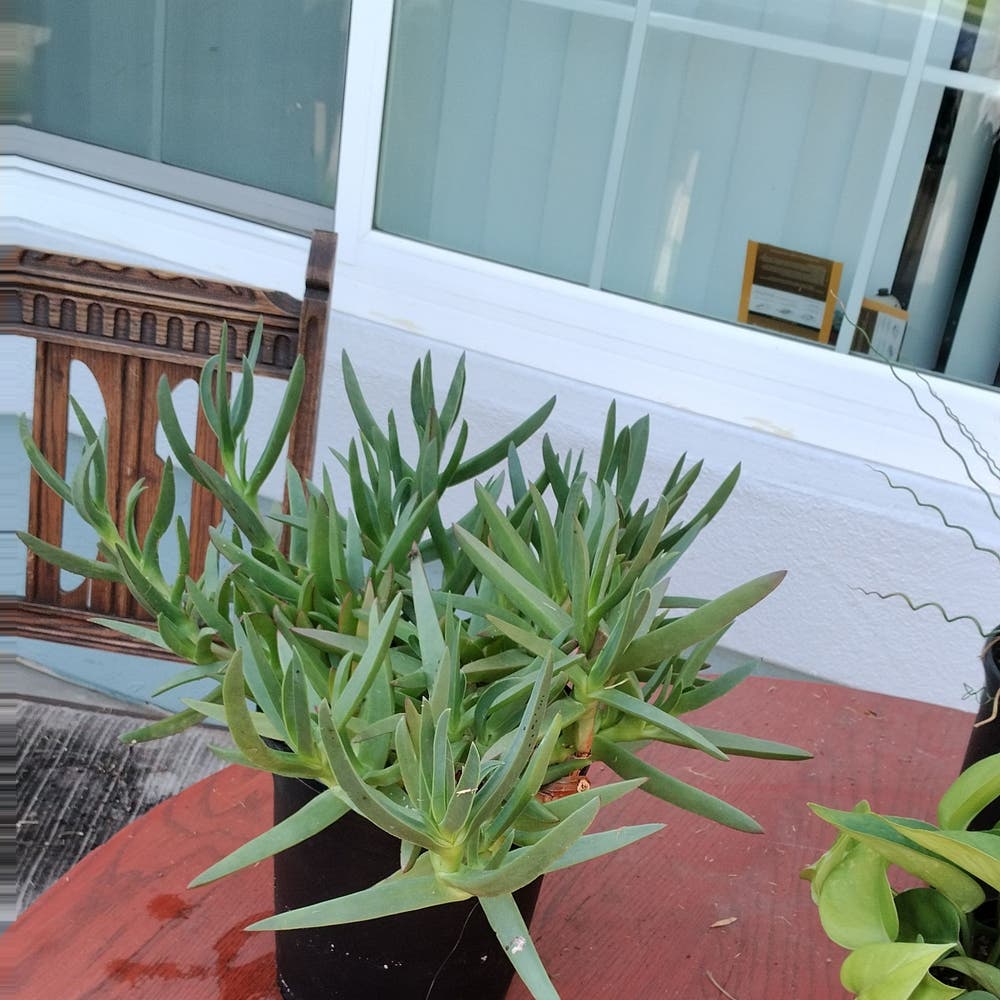
Shaping Angular Sea-Fig is an art form. It's about visual impact; creating a pleasing silhouette that complements its environment. Balance is key—trim more in dense areas, less where it's sparse, and always step back to assess your work.
🌱 Encourage New Growth
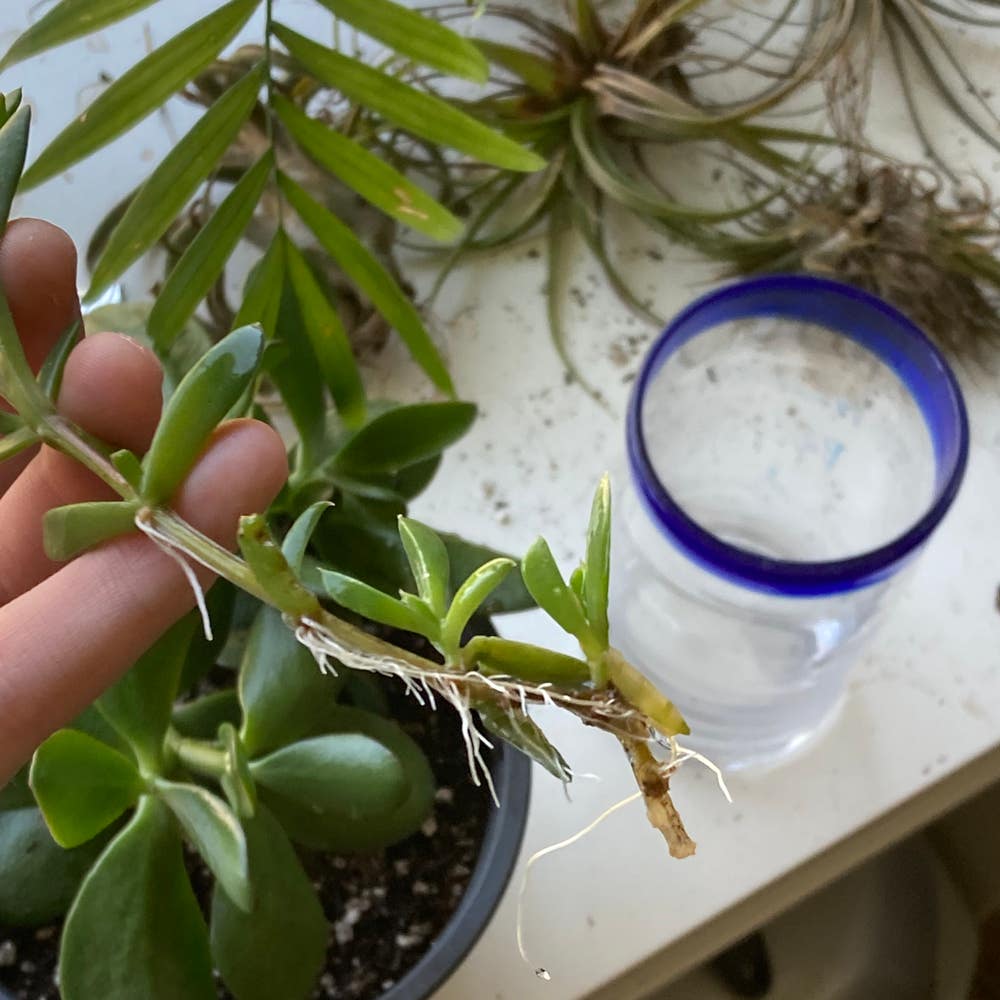
To promote a bushier plant, strategic cuts are your best friends. Pinch back the tips and make cuts above leaf nodes. This encourages the plant to branch out, resulting in a fuller, healthier appearance. Remember, less is more—never remove more than 25% of the plant at one time.
Timing is Everything: When to Prune Angular Sea-Fig
Understanding the growth cycle of your Angular Sea-Fig is key to successful pruning.
📅 Seasonal Guide to Pruning
Prune your Angular Sea-Fig during its growth phase, which typically falls in spring. This timing allows the plant to heal and produce new growth efficiently.
🌸 Spring: The Optimal Season
Spring is the prime time for pruning. The plant is awakening from its winter rest and is ready to burst into growth, making it the perfect time to shape and encourage new foliage.
☀️ Summer: Proceed with Caution
Summer pruning can still be done, especially to remove any dead or diseased branches. However, be mindful of the heat and stress on the plant.
🍂 Fall: Not Ideal
Avoid heavy pruning in fall. The plant is preparing for dormancy, and major cuts could hinder its ability to withstand winter.
❄️ Winter: A No-Go
Winter is the time for the Angular Sea-Fig to rest. Pruning during this season can be detrimental, as the plant is not in an active growth phase to recover from the stress of pruning.
🌿 Syncing with Nature's Calendar
Align your pruning schedule with the Angular Sea-Fig's natural rhythm. Spring into action when the plant is most resilient and ready to grow.
🛠️ Exceptions to the Rule
While seasonal timing is crucial, always be ready to snip away any dead or damaged branches regardless of the time of year to maintain plant health.
Pruning with Purpose: Health and Aesthetics
🌱 Breathe Easy
Pruning isn't just a beauty regimen—it's preventative healthcare for your Angular Sea-Fig. Air circulation is the plant's lifeline, warding off the silent killers: fungal and bacterial diseases. By strategically thinning out the foliage, you're not just playing gardener; you're the plant's personal physician, ensuring each leaf can breathe easy and stay disease-free.
🌿 Keep It Pretty
But let's not forget the visual feast that is a well-manicured Angular Sea-Fig. Aesthetic pruning is about more than just vanity; it's about accentuating the plant's natural architecture. Symmetry and balance are key, but so is maintaining the plant's innate character. It's a delicate act—trimming enough to enhance, but not so much that you strip away its soul. Keep your snips thoughtful and your plant will not only thank you with robust health but also with stunning good looks.
⚠️ Safety First
This content is for general information and may contain errors, omissions, or outdated details. It is not medical, veterinary advice, or an endorsement of therapeutic claims.
Always consult a qualified healthcare professional before using any plant as food, medicine, or supplement.
Never eat any plant (or feed one to pets) without confirming its identity with at least two trusted sources.
If you suspect poisoning, call Poison Control (800) 222-1222, the Pet Poison Helpline (800) 213-6680, or your local emergency service immediately.
Spotted an error? Please report it here.
Prune your Angular Sea-Fig to perfection 🌿 with Greg's tailored reminders that align with its growth cycle for a healthier, more beautiful plant.