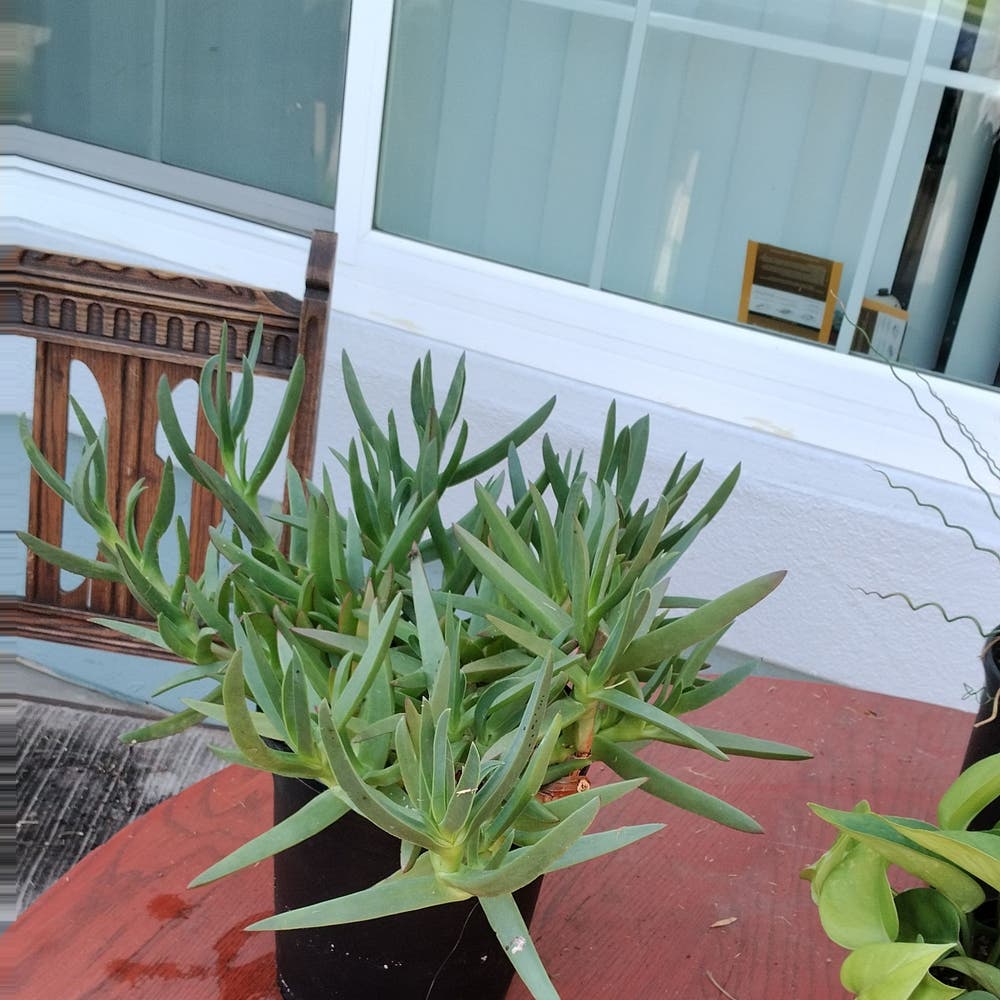
Why Your Pigface Leaves Are Falling Over 🐷
Carpobrotus glaucescens
By the Greg Editorial Team
Nov 26, 2024•7 min read
This article was created with the help of AI so we can cover more plants for you. May contain errors. See one? Report it here.
Transform your drooping Pigface into a vibrant beauty with essential care tips! 🌱
- 💧 Overwatering or underwatering causes drooping leaves; check soil moisture regularly.
- ☀️ Pigface needs 6-8 hours of sunlight daily for optimal growth and health.
- 🐛 Inspect for pests like aphids; they can distort leaves and cause damage.
Causes of Leaf Drooping
💧 Overwatering and Its Effects
Overwatering can be a sneaky culprit behind drooping Pigface leaves. Symptoms include yellowing leaves and a mushy texture, signaling that the roots are struggling.
When roots are submerged in excess water, they can develop root rot and suffer from oxygen deprivation. To keep your plant thriving, allow the soil to dry out between waterings.
🚰 Underwatering and Dehydration
On the flip side, underwatering can lead to crispy, shriveled leaves. This occurs when the plant loses turgor pressure, making it unable to maintain its structure.
To prevent dehydration, regularly check the soil, especially during dry periods. A consistent watering schedule can make all the difference.
☀️ Insufficient Sunlight Exposure
Pigface thrives in full sun, requiring 6-8 hours of sunlight daily. Without adequate light, you may notice stretching stems and pale leaves.
If your plant is not getting enough light, consider moving it to a sunnier location. A little adjustment can rejuvenate its growth.
🥦 Nutrient Deficiencies
Nutrient deficiencies can also cause drooping leaves. Common culprits include nitrogen, potassium, and magnesium, which are essential for healthy growth.
Symptoms often manifest as yellowing leaves and stunted growth. Regular feeding during the growing season is crucial for maintaining balanced nutrition.
🐜 Pest Infestations
Pest infestations can wreak havoc on your Pigface. Common pests like aphids, mealybugs, and spider mites can cause significant damage.
Look for signs such as sticky residue, webbing, and distorted leaves. Early detection and intervention are key to preventing further damage and keeping your plant healthy.
Understanding these causes is essential for maintaining your Pigface's health. Next, we’ll explore how to diagnose the specific issues affecting your plant.
Diagnosing the Problem
🌊 Signs of Overwatering vs. Underwatering
Overwatering can lead to soft, discolored leaves and even root rot. In contrast, underwatering manifests as dry, crispy leaves and wilting.
To accurately diagnose these issues, regular soil moisture checks are essential. Use a moisture meter or simply stick your finger into the soil to gauge its dampness.
🐛 Identifying Pest Damage
Pest infestations can wreak havoc on your Pigface. To identify these issues, visually inspect the undersides of leaves and stems for any signs of trouble.
Look for discoloration, webbing, or sticky residue, which are common indicators of pests. Prompt action is crucial to prevent further damage and keep your plant healthy.
🥦 Recognizing Nutrient Deficiency Symptoms
Nutrient deficiencies can also cause your Pigface to droop. Each deficiency has specific symptoms: nitrogen deficiency leads to yellowing of older leaves, potassium causes marginal leaf burn, and magnesium results in interveinal chlorosis.
To ensure your plant gets the nutrients it needs, consider soil testing. This will help you assess nutrient levels and make informed adjustments.
☀️ Assessing Light Conditions
Light exposure is vital for your Pigface's health. Evaluate the current sunlight hours your plant receives to determine if it's adequate.
If your plant isn't getting enough light, adjust its placement to ensure it thrives. Remember to consider seasonal changes, as light availability can fluctuate throughout the year.
With these diagnostic steps, you'll be well-equipped to identify the issues affecting your Pigface. Next, let's explore preventive measures to keep your plant healthy and vibrant.
Preventive Measures
Proper Watering Techniques 🌊
Watering your Pigface correctly is crucial for its health. Aim for deep watering, ensuring the soil is thoroughly soaked, then allow it to dry out before the next watering.
To monitor moisture levels, consider using a soil moisture meter or simply perform a finger test. Adjust your watering frequency based on seasonal changes, as hot weather may require more frequent watering.
Ideal Soil Mix 🏺
The right soil mix is essential for your Pigface's growth. A sandy, well-draining soil composition is recommended to prevent water retention that can lead to root rot.
For a DIY soil mix, combine 50% sand, 30% potting soil, and 20% perlite. This blend promotes drainage and provides a healthy environment for your plant's roots.
Optimal Light Conditions ☀️
Pigface thrives in full sun, requiring 6-8 hours of sunlight daily. Ensure your plant is placed in a location that maximizes its light exposure.
If you're growing indoors, consider using grow lights to supplement natural light. Be mindful of seasonal changes and adjust your plant's placement accordingly to maintain optimal light conditions.
Fertilization Schedule 🥦
Establishing a fertilization routine is key to a thriving Pigface. Aim to fertilize every 4-6 weeks during the growing season to provide essential nutrients.
Choose balanced NPK fertilizers or slow-release options for best results. Always follow the package instructions to avoid over-fertilization, which can harm your plant.
Pest Management Strategies 🐞
Regular inspections are vital for early pest detection. Conduct weekly checks for common pests like aphids and spider mites to keep your Pigface healthy.
Utilize organic control methods, such as neem oil or insecticidal soap, to manage infestations. In cases of severe outbreaks, chemical treatments may be necessary, but use them judiciously and follow application guidelines.
By implementing these preventive measures, you can ensure your Pigface remains healthy and vibrant. Next, we'll explore how to diagnose issues effectively when they arise.
Treatment Solutions
Adjusting Watering Practices 🌧️
To correct overwatering, start by reducing the frequency of your watering sessions. Improving drainage is crucial; consider repotting your Pigface in a container with better drainage holes.
For underwatering, increase your watering frequency and make it a habit to check the soil moisture regularly. A simple finger test can help you gauge when your plant needs a drink.
Soil Amendments for Better Drainage 🏞️
To enhance drainage, consider adding perlite, sand, or gravel to your soil mix. These amendments help create air pockets, allowing excess water to escape more easily.
When amending existing soil, mix in your chosen amendments thoroughly to ensure even distribution. Remember, drainage holes in pots are essential to prevent water accumulation, which can lead to root rot.
Light Adjustment Techniques ☀️
If your Pigface isn't thriving, try moving it to a sunnier spot to ensure it receives adequate light exposure. This simple adjustment can make a significant difference in its health.
You can also enhance light availability indoors by using reflective surfaces, like mirrors or white walls. Just be sure to make these changes gradually to prevent shocking your plant.
Fertilizer Recommendations 🌱
For optimal growth, use balanced NPK or organic fertilizers suitable for Pigface. These options provide essential nutrients that support healthy development.
When applying fertilizers, remember to dilute them according to package instructions and follow the recommended frequency. This practice helps prevent nutrient burn, which can harm your plant.
Pest Control Methods 🐞
For organic pest control, consider using diatomaceous earth or insecticidal soap. These options are effective and safer for your plant and the environment.
If pests persist, chemical treatments may be necessary. Always follow application guidelines carefully and monitor your plant after treatment to ensure effectiveness.
With these treatment solutions, your Pigface can bounce back and thrive. Next, let’s explore how to provide post-diagnosis care to ensure long-term health and vitality.
Post-Diagnosis Care
Recovery Techniques for Drooping Leaves 🌱
To help your Pigface recover from drooping leaves, start by adjusting your care practices immediately. This means reassessing your watering schedule, light exposure, and nutrient levels to create a more supportive environment.
Patience is key during this recovery phase. Allow your plant time to bounce back, as it may take a few weeks to see significant improvement.
Keep an eye out for new growth, which is a positive sign that your plant is on the mend. Look for fresh leaves or stems emerging, indicating that your adjustments are working.
Monitoring Plant Health After Treatment 🔍
Regular check-ins are essential to assess your Pigface's leaf health and overall vigor. Make it a habit to inspect your plant weekly, noting any changes in appearance or growth patterns.
Documenting these changes is crucial. Keeping a record of your care adjustments will help you understand what works best for your plant and guide future decisions.
As your plant recovers, be prepared to fine-tune your care based on its progress. Adjust watering, light, and feeding as needed to ensure optimal health.
Long-Term Care Strategies 🌿
Establishing a consistent care routine is vital for your Pigface's long-term health. Regularly monitor watering, feeding, and overall plant condition to keep it thriving.
Seasonal adjustments are equally important. As environmental conditions change, adapt your care practices to meet your plant's evolving needs.
Engaging with community resources can also enhance your knowledge and skills. Connect with other Pigface growers to share experiences and learn new tips for keeping your plant healthy and vibrant.
By following these strategies, you’ll not only support your Pigface’s recovery but also set it up for a flourishing future.
⚠️ Safety First
This content is for general information and may contain errors, omissions, or outdated details. It is not medical, veterinary advice, or an endorsement of therapeutic claims.
Always consult a qualified healthcare professional before using any plant as food, medicine, or supplement.
Never eat any plant (or feed one to pets) without confirming its identity with at least two trusted sources.
If you suspect poisoning, call Poison Control (800) 222-1222, the Pet Poison Helpline (800) 213-6680, or your local emergency service immediately.
Spotted an error? Please report it here.
Keep your Pigface perky and vibrant 🌱 by using Greg's tailored watering reminders and community insights to master its care and prevent drooping leaves!