How to Get Rid of Pigface 🐷
Carpobrotus glaucescens
By the Greg Editorial Team
Nov 26, 2024•7 min read
This article was created with the help of AI so we can cover more plants for you. May contain errors. See one? Report it here.
Learn to identify and control the invasive Pigface plant 🌿 to safeguard your garden and local ecosystems!
- 🌱 Pigface is an invasive weed that outcompetes native plants and reduces biodiversity.
- ⚠️ Effective removal requires complete root extraction in early spring or late fall.
- 🛡️ Prevent spread by monitoring and maintaining healthy native plant communities.
Plant Classification
Definition of Weeds and Invasive Species 🌱
Weeds are often seen as the unwanted guests in our gardens, sprouting up in cultivated areas and competing with the plants we actually want to grow. Invasive species take this a step further; these non-native plants spread rapidly, disrupting local ecosystems and outcompeting native flora.
Criteria for Classifying Pigface as a Weed 🐷
Pigface is a prime example of a weed due to its rapid spread. It can form dense mats that easily outcompete native vegetation, making it a formidable opponent in the battle for garden space.
Its competitive nature allows it to thrive in poor soil and salt-tolerant environments, which many native plants struggle to endure. This adaptability is a key reason why Pigface is classified as a weed.
Moreover, the ecological impact of Pigface cannot be overlooked. It alters habitat structures and displaces native species, leading to a decline in biodiversity. Understanding these characteristics is crucial for effective management and control of this invasive plant.
As we delve deeper into identifying Pigface, we’ll explore its distinct features and how to differentiate it from similar plants.
Identification
Key Identifying Features 🌼
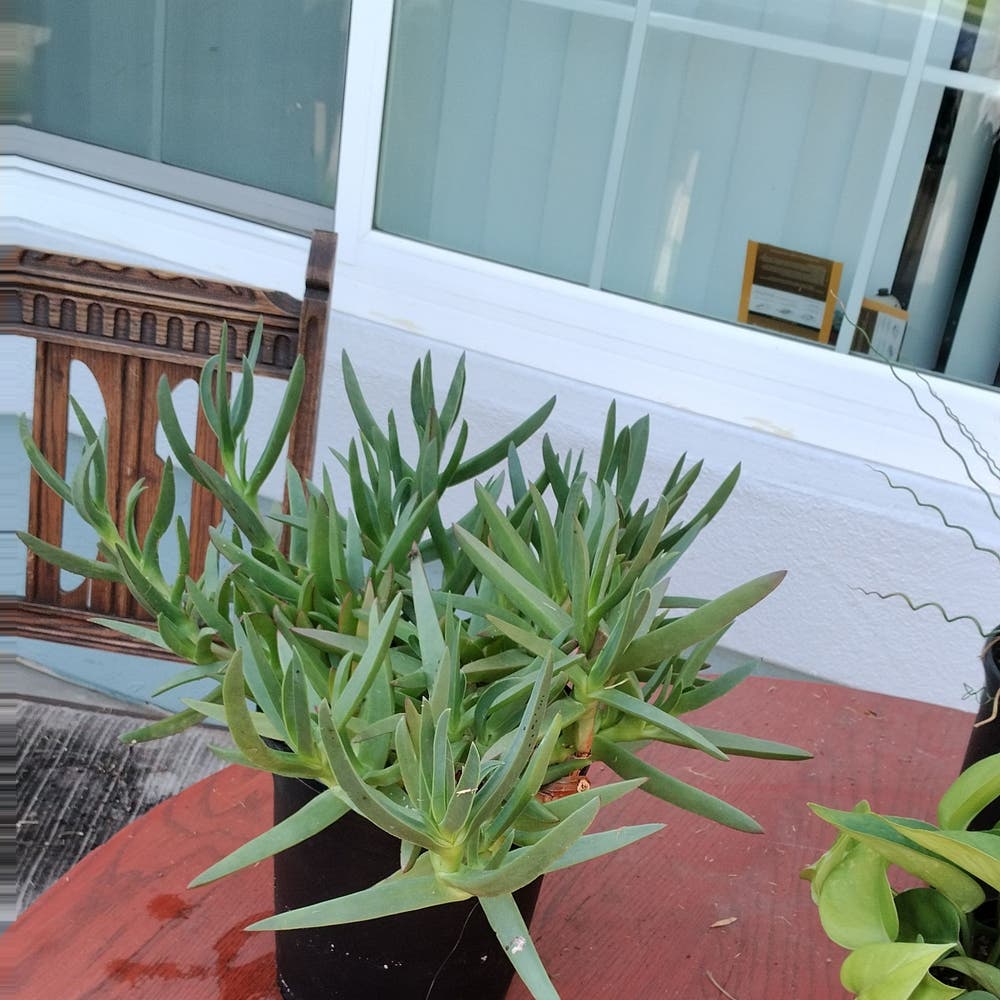
Pigface is easily recognizable due to its unique physical characteristics. It features fleshy, trailing stems that can quickly cover large areas, and its bright daisy-like flowers bloom in vibrant shades of yellow, pink, or purple.
The leaves of Pigface are another telltale sign. They are thick and succulent, designed to retain moisture, making them a perfect fit for harsh environments.
Comparison with Look-Alike Plants 👀
When identifying Pigface, it's crucial to distinguish it from similar succulent species. One key difference is the flower structure; while other succulents may have flowers, Pigface's blooms are particularly bright and daisy-like.
Additionally, the leaf texture can help in identification. Pigface leaves are notably thicker and fleshier compared to many other succulents, which often have thinner or more rigid leaves.
Understanding these features will aid in recognizing Pigface in the wild, allowing for effective management and control. As you become familiar with these characteristics, you'll be better equipped to tackle this invasive species.
Growth Habits and Spread
🐍 Typical Growth Patterns
Pigface exhibits a trailing and mat-forming growth habit, allowing it to cover large areas rapidly. This aggressive spread can quickly outcompete native vegetation, making it a formidable presence in gardens and natural landscapes.
🌊 Environmental Adaptability
This plant thrives particularly well in coastal areas and poor soil conditions. Its resilience enables it to establish itself in environments where many other plants struggle to survive.
🌱 Reproductive Strategies and Methods of Spread
Pigface is notorious for its high seed production, which contributes to its rapid spread. Each plant can produce a significant number of seeds, ensuring a robust population in favorable conditions.
🌿 Vegetative Propagation
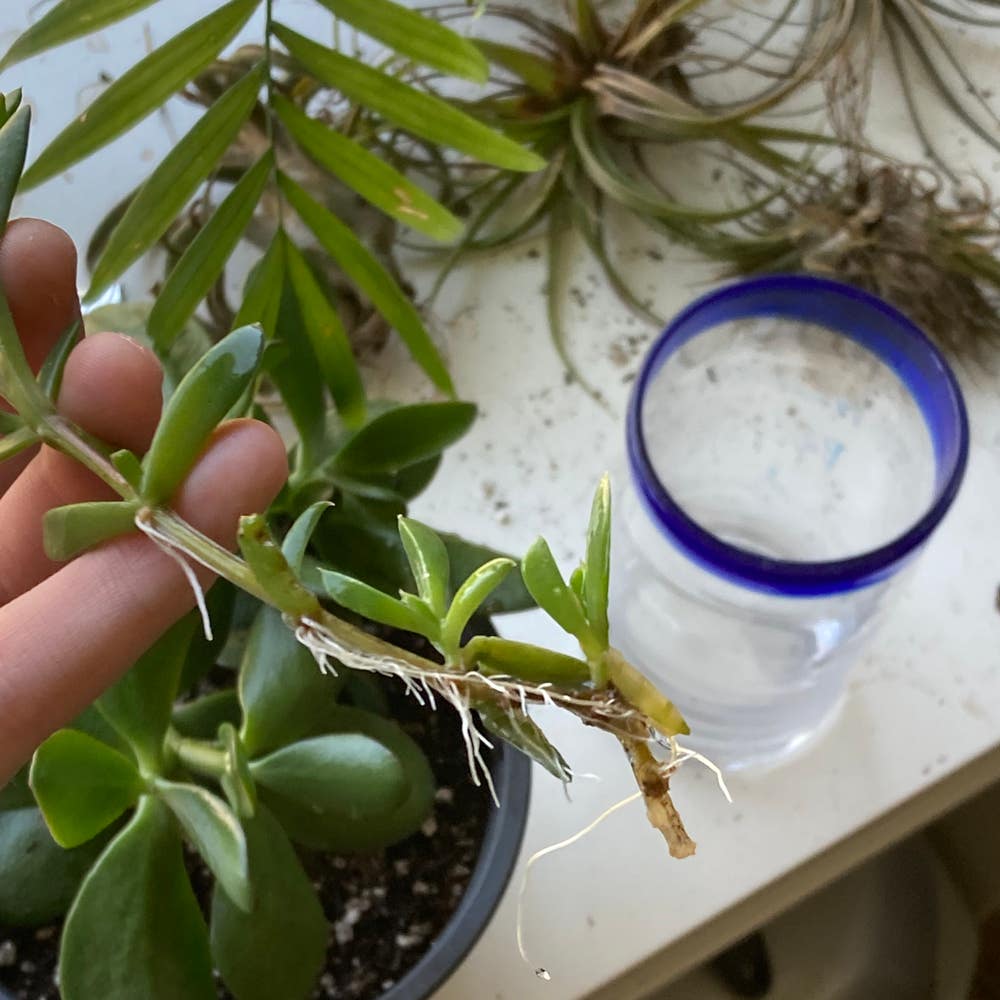
In addition to seed production, Pigface can root from stem fragments. This means that even small pieces of the plant can lead to new growth, complicating control efforts.
🌍 Adaptability to Various Environments
Pigface shows remarkable tolerance to both salt and drought conditions. This adaptability allows it to colonize disturbed areas effectively, further enhancing its invasive potential.
The combination of these growth habits and reproductive strategies makes Pigface a challenging invasive species to manage. Understanding its spread is crucial for developing effective control measures and protecting native ecosystems.
Ecological and Economic Impact
🌱 Effects on Native Plant Communities
Pigface poses a significant threat to native plant species. Its aggressive growth leads to competition for resources, which can drastically reduce biodiversity in affected areas.
This invasive plant alters habitat structures, changing soil composition and moisture retention. Such changes can disrupt the delicate balance of local ecosystems, making it harder for native flora to thrive.
💰 Economic Losses Associated with Pigface
The economic implications of Pigface are substantial. Landowners often face high costs related to management and control efforts, which can strain budgets and resources.
Additionally, the presence of Pigface can negatively impact property values and land usability. As it spreads, it can diminish the aesthetic and functional qualities of landscapes, leading to further economic repercussions.
Control and Management
🧤 Manual Removal Techniques and Best Practices
To effectively manage Pigface, timing is crucial. The best times for removal are early spring or late fall when the plant is less vigorous.
Gather essential tools such as shovels, gloves, and bags for disposal. These will help you tackle the task efficiently.
Follow these steps for effective removal:
- Dig out the root system: Ensure you remove the entire root to prevent regrowth.
- Dispose properly: Use bags to avoid re-establishment in your garden or local area.
🧪 Chemical Control Options and Safety Considerations
Herbicides can be effective against Pigface, but it's essential to choose the right ones. Look for products specifically labeled for use on invasive species.
Safety is paramount when using chemicals. Always wear protective gear and follow application guidelines to minimize risks to yourself and the environment.
🐞 Biological Control Methods and Their Effectiveness
Biological control agents can offer an alternative to chemical methods. Research potential agents that target Pigface without harming native species.
Consider the effectiveness of these agents and their ecological impact. It's vital to weigh the benefits against any potential risks to the local ecosystem.
🚫 Preventive Measures to Limit Spread
Preventing the establishment of Pigface in new areas is key. Implement strategies such as regular monitoring and removal of new growth.
Maintaining healthy native plant communities also plays a significant role. A robust ecosystem can outcompete invasive species like Pigface, reducing their chances of spreading.
🔍 Importance of Early Detection and Rapid Response
Monitoring for early signs of Pigface invasion can save you time and effort later. Quick action upon detection can significantly minimize the spread.
Recommended actions include immediate removal and informing local gardening communities. Early intervention is your best defense against this invasive plant.
By understanding and implementing these control and management strategies, you can effectively combat Pigface and protect your local ecosystem. Next, let’s explore the legal status surrounding the management of invasive species.
Legal Status
Overview of Laws and Regulations 🌍
When it comes to managing invasive species like Pigface, understanding the legal landscape is crucial. Both local and national regulations exist to control the spread of invasive plants, aiming to protect native ecosystems.
Gardeners and land managers must stay informed about these laws. Compliance is not just a good practice; it’s often a legal requirement that can help preserve biodiversity in your area.
Requirements for Removal or Control ⚖️
In sensitive ecosystems, specific guidelines dictate how to manage invasive species. These requirements can include methods for removal, timing, and even reporting infestations to local authorities.
Failure to comply with these regulations can lead to significant consequences. This might involve fines or mandates to undertake costly removal efforts, emphasizing the importance of adhering to established protocols.
Understanding these legalities not only helps in managing Pigface effectively but also contributes to the broader effort of protecting our natural habitats. By being proactive, you can play a part in preserving the environment while ensuring you stay on the right side of the law.
As we move forward, let’s explore the potential benefits or uses of Pigface, despite its invasive nature.
Potential Benefits or Uses
🌿 Historical and Current Uses
Pigface, despite its invasive nature, has found a place in the hearts of some indigenous cultures. Traditionally, it has been used for food and medicinal purposes, showcasing its versatility.
In modern landscaping, Pigface can serve as a ground cover or erosion control plant, particularly in coastal areas. However, caution is essential, as its aggressive growth can quickly overshadow other plants.
⚖️ Discussion on the Balance of Benefits vs. Negative Impacts
While there are some benefits to using Pigface, the negative impacts far outweigh them. Its rapid spread and ability to outcompete native species lead to significant biodiversity loss.
Ultimately, the ecological damage caused by Pigface makes it a poor choice for most applications. It's crucial to weigh these factors carefully before considering any potential uses.
As we move forward, understanding the implications of introducing or maintaining Pigface in our environments is vital for preserving native ecosystems.
⚠️ Safety First
This content is for general information and may contain errors, omissions, or outdated details. It is not medical, veterinary advice, or an endorsement of therapeutic claims.
Always consult a qualified healthcare professional before using any plant as food, medicine, or supplement.
Never eat any plant (or feed one to pets) without confirming its identity with at least two trusted sources.
If you suspect poisoning, call Poison Control (800) 222-1222, the Pet Poison Helpline (800) 213-6680, or your local emergency service immediately.
Spotted an error? Please report it here.
Take charge of your garden by outsmarting Pigface 🌿 with Greg's personalized tips and reminders to protect your native plants and restore biodiversity!