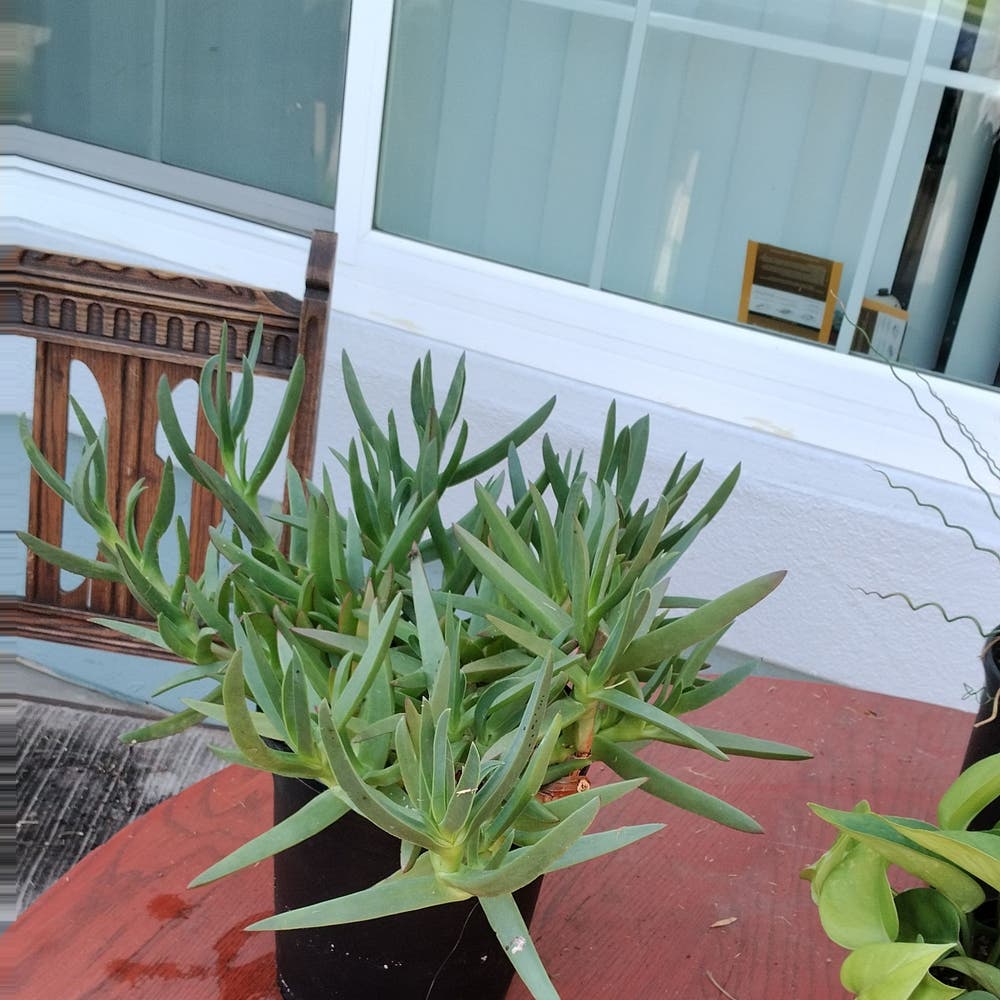
🌞 My Angular Sea-Fig's Light Needs
Carpobrotus glaucescens
By the Greg Editorial Team
Jun 16, 2024•5 min read
This article was created with the help of AI so we can cover more plants for you. May contain errors. See one? Report it here.
Nurture a thriving Angular Sea-Fig 🌞 with the secret to perfect light balance for spectacular blooms. 🌼
- 🌞 Morning sun good, midday sun bad for Angular Sea-Fig plants.
- 💡 Full-spectrum LED grow lights recommended for insufficient natural light.
- 🕒 12-14 hour light cycle with a timer ensures consistent exposure.
Basking in the Sun: Outdoor Light Mastery
🌞 Finding the Sweet Spot
Angular Sea-Fig, a sun worshipper by nature, thrives in locations that strike a balance between sun and shade. The morning sun is your plant's best friend, offering a gentle warmth without the harshness of the afternoon glare. Think east-facing gardens where the first rays can kiss the leaves, but as the sun climbs, a light veil of shade offers protection.
🛡️ Protecting Your Plant
Midday sun can be a bit of a bully, packing more heat than your Angular Sea-Fig might like. Shielding it with a canopy or a strategically placed umbrella can prevent the dreaded leaf burn. As the seasons shift, so should your plant's position—more direct light in the spring, more shade during the scorch of summer. Keep an eye on the sky; sometimes, a quick shuffle to a shadier spot is all it takes to keep your Sea-Fig smiling.
Bringing the Sunshine In: Indoor Light Strategies
🌞 Mimicking Mother Nature
To recreate outdoor lighting indoors for your Angular Sea-Fig, start with the right window. South-facing windows are your best bet, offering a bright yet indirect light that's like a buffet for your plant's photosynthetic needs. But remember, not all homes are created equal. If your living space lacks this ideal orientation, don't sweat it. Simply move your plant closer to whatever light source you have during those gloomy winter months. And don't forget to rotate your Angular Sea-Fig regularly to prevent it from developing a lean from uneven light exposure.
💡 When Natural Light Isn't Enough
Sometimes, your indoor space just won't cut it, and that's when grow lights come into play. Deciding if your Angular Sea-Fig needs this artificial sunshine is a matter of observing its growth. If you notice leggy stems or a lackluster appearance, it's time for a grow light intervention. Opt for full-spectrum LED grow lights; they're the cool kids on the block, giving your plant the light it craves without the heat that could turn it into plant jerky. Positioning is key—hang them overhead to mimic the sun, but not so close that you risk scorching your green buddy. Keep an eye on your plant's response and adjust the distance and duration of light exposure accordingly.
Let There Be Blooms: Light's Role in Flowering
💡 Triggering Flower Power
Adequate lighting is non-negotiable for coaxing Angular Sea-Fig into its bloom bonanza. These plants are like solar panels, needing just the right amount of rays to kick-start their flowering process. Too much direct sunlight, and you're looking at a crispy disaster; too little, and your plant's performance is lackluster.
Duration and intensity of light are the dynamic duo behind the curtain, orchestrating the blooming show. Angular Sea-Fig's flowering cues are tied to these light factors, with longer daylight hours in spring and summer being the green light for bloom initiation. It's about striking that perfect balance—enough light to encourage flowering, but not so much that it damages the plant.
🌅 The Connection Between Light Duration and Flowering Phases
The blooming phase of Angular Sea-Fig is like a timed dance, with light duration leading the steps. Short days may leave your plant stuck in a vegetative state, while long days under the right light conditions tell it to get its bloom on. Remember, it's not just about the amount of light, but also the quality and timing—get these right, and you're in for a floral spectacle.
Indoor growers, take note: if your home can't offer the natural light your Angular Sea-Fig craves, you might need to play stage manager with some grow lights. These artificial suns can be the encore your plant needs to strut its stuff in the flowering department. Just be sure not to leave them on too long, or you risk turning your plant's bloom show into a burnout.
Grow Lights: A Ray of Hope for Indoor Angular Sea-Figs
💡 Choosing the Right Glow
Selecting grow lights that complement Angular Sea-Fig's light appetite is akin to picking the perfect sunglasses—essential for style and function. Full-spectrum LED lights are the VIPs here, offering a smorgasbord of wavelengths that mimic the sun's natural spectrum. They're energy-efficient, have a long lifespan, and won't send your electricity bill through the roof.
🌟 Placement and Timing: How to Shine the Light Just Right
Getting the placement right is crucial—too close and you'll have a crispy plant; too far and it's like winking in the dark, pointless. Aim for a cozy distance, about 12-18 inches above your Angular Sea-Fig. As for timing, think of it as setting a sleep schedule for a toddler—consistent and structured. A 12 to 14-hour light cycle is the sweet spot, and a timer can be your best friend to keep this routine in check. Remember to rotate your plant regularly for even growth; it's not a sunbather, but it does appreciate an all-around tan.
⚠️ Safety First
This content is for general information and may contain errors, omissions, or outdated details. It is not medical, veterinary advice, or an endorsement of therapeutic claims.
Always consult a qualified healthcare professional before using any plant as food, medicine, or supplement.
Never eat any plant (or feed one to pets) without confirming its identity with at least two trusted sources.
If you suspect poisoning, call Poison Control (800) 222-1222, the Pet Poison Helpline (800) 213-6680, or your local emergency service immediately.
Spotted an error? Please report it here.
Ensure your Angular Sea-Fig flourishes with the ideal light by using Greg's reminders to rotate regularly ⏰ and prevent leaning from uneven light exposure.