How to Cure Curling Leaves on Your Pigface 🐷
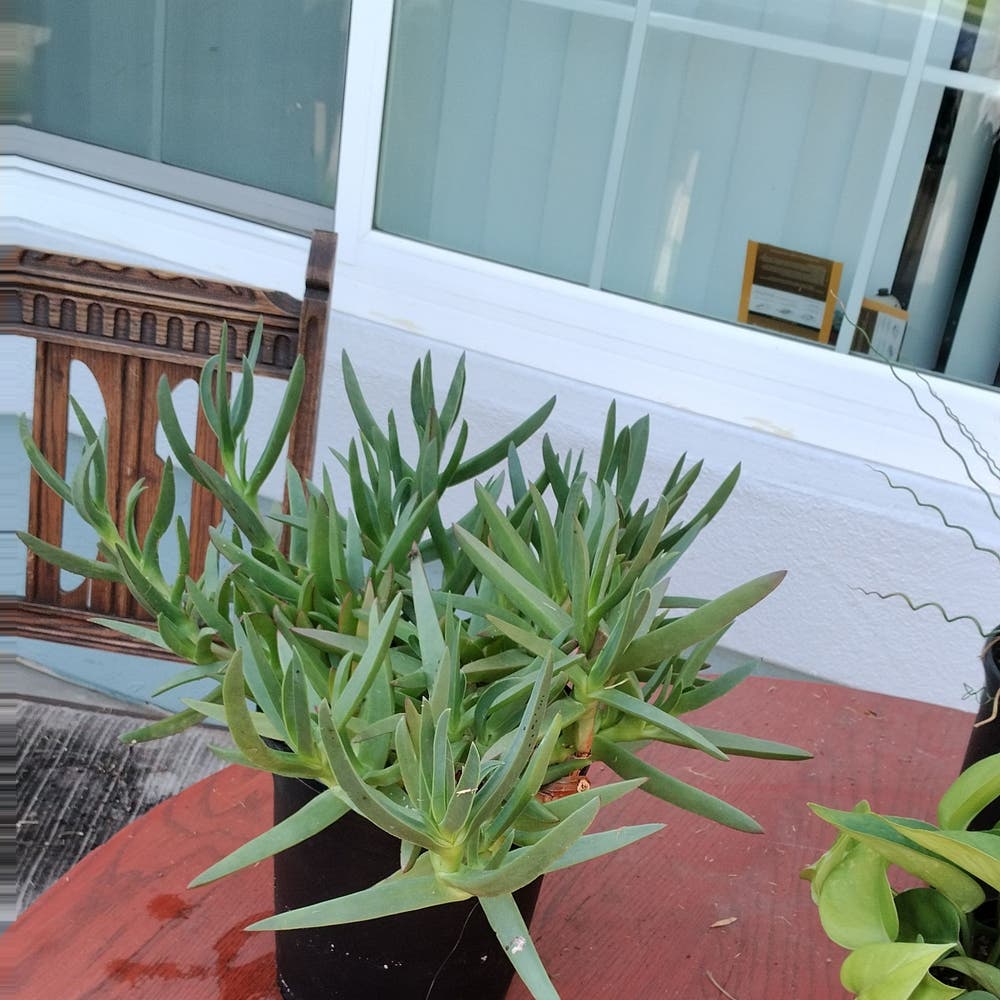
Carpobrotus glaucescens
By the Greg Editorial Team
Nov 26, 2024•5 min read
This article was created with the help of AI so we can cover more plants for you. May contain errors. See one? Report it here.
Revive your pigface's beauty 🌱 by mastering simple tips to prevent leaf curling and promote vibrant growth!
- 🌱 Curling leaves indicate stress from pests, fungi, or environmental factors.
- 💧 Proper watering and humidity are essential to prevent leaf curling in pigface.
- 🔍 Regular inspections catch pests early, ensuring your pigface stays healthy and vibrant.
Causes of Leaf Curling
🌪️ Environmental Stress
Environmental stress is a primary culprit behind curling leaves on your pigface. Temperature fluctuations and varying humidity levels can significantly impact plant health, leading to distorted leaf growth.
Extreme heat or cold can cause leaves to curl as the plant attempts to conserve moisture or protect itself from harsh conditions. Additionally, low humidity can exacerbate this issue, making it crucial to monitor your plant's environment closely.
🐛 Pest Infestations
Pest infestations are another common reason for leaf curling. Aphids and mealybugs are notorious for sucking the sap from leaves, which can lead to curling and wilting.
These pests can multiply quickly, so early detection is key. Regularly inspecting your pigface for signs of these invaders can help you catch infestations before they cause significant damage.
🍄 Fungal Issues
Fungal infections can also wreak havoc on your pigface, affecting its leaf structure. Conditions like root rot and powdery mildew can lead to curling leaves, as the plant struggles to absorb nutrients and water effectively.
Fungal issues often arise from overwatering or poor air circulation. Keeping an eye on your plant's watering habits and ensuring good airflow can help prevent these problems from taking hold.
Understanding these causes is essential for effective treatment and prevention. By addressing environmental stress, pests, and fungal issues, you can help your pigface thrive and maintain healthy, vibrant leaves.
Symptoms to Identify
🌿 Visual Signs of Curling
When it comes to identifying curling leaves on your pigface, the type of curl can tell you a lot. Upward curling often indicates environmental stress, while downward curling may suggest overwatering or pest issues.
👀 Accompanying Symptoms
Keep an eye out for additional signs that accompany leaf curling. Yellowing leaves, wilting, or spotting can signal nutrient deficiencies or pest infestations, making it crucial to address these symptoms promptly.
Recognizing these symptoms early can help you take action before the problem escalates. Understanding what to look for sets the stage for effective treatment and care of your pigface.
Next, let’s dive into pest and disease management to tackle these issues head-on.
Pest and Disease Management
Common Pests Affecting Pigface 🐜
When it comes to pests that can wreak havoc on your pigface, aphids and mealybugs are the usual suspects. These tiny insects suck the sap from leaves, leading to curling and wilting, which can ultimately stunt your plant's growth.
Aphids are small, often green or black, and can be found in clusters on the undersides of leaves. They not only cause direct damage but also excrete a sticky substance called honeydew, which can attract other pests and lead to sooty mold.
Mealybugs, on the other hand, are white and fluffy, resembling tiny cotton balls. They can cause similar damage by feeding on plant sap, and their presence often indicates a more significant infestation.
Fungal Infections and Their Symptoms 🍄
Fungal issues can also lead to curling leaves on your pigface. Two common culprits are root rot and powdery mildew, both of which can severely impact your plant's health.
Root rot occurs when the roots sit in overly saturated soil, leading to decay. Symptoms include yellowing leaves and stunted growth, often accompanied by a foul smell from the roots.
Powdery mildew manifests as a white, powdery coating on leaves, which can hinder photosynthesis and weaken the plant. If left untreated, it can spread rapidly, affecting the entire plant.
Prevention and Treatment Strategies 🛡️
To keep your pigface healthy, prevention is key. Start by ensuring proper watering practices—allow the soil to dry out between waterings to prevent root rot.
For powdery mildew, improve air circulation around your plant and avoid overhead watering. If you notice pests or fungal issues, act quickly with treatments like insecticidal soap for pests or fungicides for fungal infections.
Regularly inspecting your plant can help catch these problems early. By staying vigilant, you can maintain a thriving pigface and enjoy its vibrant beauty without the worry of curling leaves.
As we move forward, let’s explore effective treatment solutions to restore your pigface to its full glory.
Treatment Solutions
Step-by-Step Guide to Treating Curling Leaves 🌿
Identify the cause: Start by examining your pigface for pests, checking moisture levels, and assessing sunlight exposure. This initial step is crucial for effective treatment.
Adjust watering: Ensure the soil is well-drained and not overly saturated. Overwatering can lead to root issues, exacerbating leaf curling.
Apply pest control methods: If pests are present, use insecticidal soap or neem oil to manage infestations. These treatments are effective and environmentally friendly.
Fertilize if necessary: If you suspect nutrient deficiencies, apply a balanced fertilizer. This can help restore the health of your plant.
Monitor progress: Keep an eye on your pigface over the following weeks. Look for improvements in leaf health to gauge the effectiveness of your treatment.
Long-Term Care Strategies to Prevent Recurrence 🌱
Establishing a regular care routine: Schedule consistent watering and fertilization to maintain plant health. Regular care helps prevent stress that can lead to curling leaves.
Creating an optimal growing environment: Ensure your pigface receives adequate light and air circulation. A well-ventilated area can significantly reduce the risk of fungal issues.
Keeping a pest management plan: Regularly inspect your plant and treat any pest issues as they arise. Proactive management is key to keeping your pigface thriving.
By following these treatment solutions and long-term care strategies, you can effectively address and prevent leaf curling in your pigface. This proactive approach not only enhances the health of your plant but also enriches your gardening experience. Next, let’s explore the symptoms to identify if your pigface is in distress.
⚠️ Safety First
This content is for general information and may contain errors, omissions, or outdated details. It is not medical, veterinary advice, or an endorsement of therapeutic claims.
Always consult a qualified healthcare professional before using any plant as food, medicine, or supplement.
Never eat any plant (or feed one to pets) without confirming its identity with at least two trusted sources.
If you suspect poisoning, call Poison Control (800) 222-1222, the Pet Poison Helpline (800) 213-6680, or your local emergency service immediately.
Spotted an error? Please report it here.
Transform your pigface's curling leaves into vibrant growth 🌱 by using Greg's tailored care reminders and pest management tips to tackle environmental stress and pests head-on!