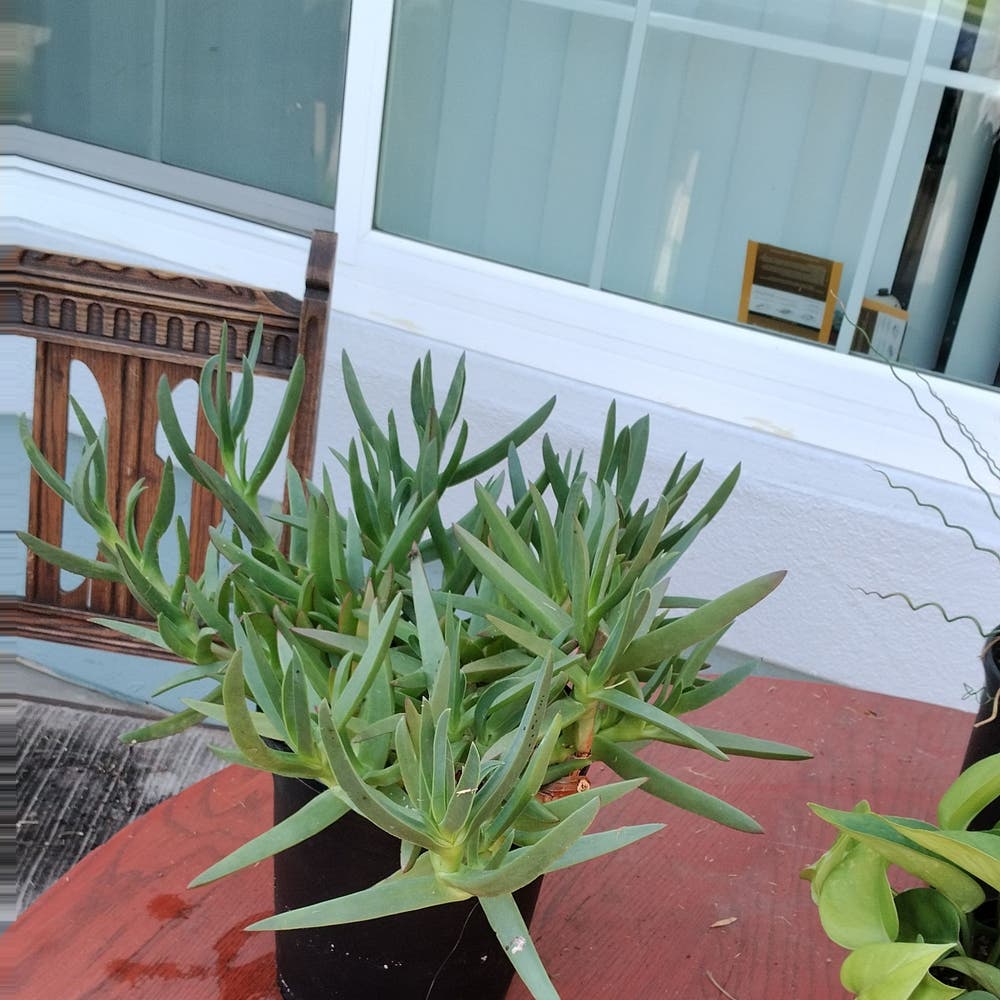
Should I Repot My Angular Sea-Fig And If So, How?
Carpobrotus glaucescens
By the Greg Editorial Team
Jun 16, 2024•4 min read
This article was created with the help of AI so we can cover more plants for you. May contain errors. See one? Report it here.
Ensure your Angular Sea-Fig thrives 🌿 by mastering the when and how of timely repotting.
- 🌱 Roots circling or escaping signal it's time to repot your Angular Sea-Fig.
- Choose the right pot: Slightly larger, with balance between breathability and moisture.
- Follow the repotting guide and monitor aftercare for thriving Angular Sea-Fig growth.
Spotting the Tell-Tale Signs It's Time to Repot
🌱 Root Tales: Recognizing a Root-Bound Angular Sea-Fig
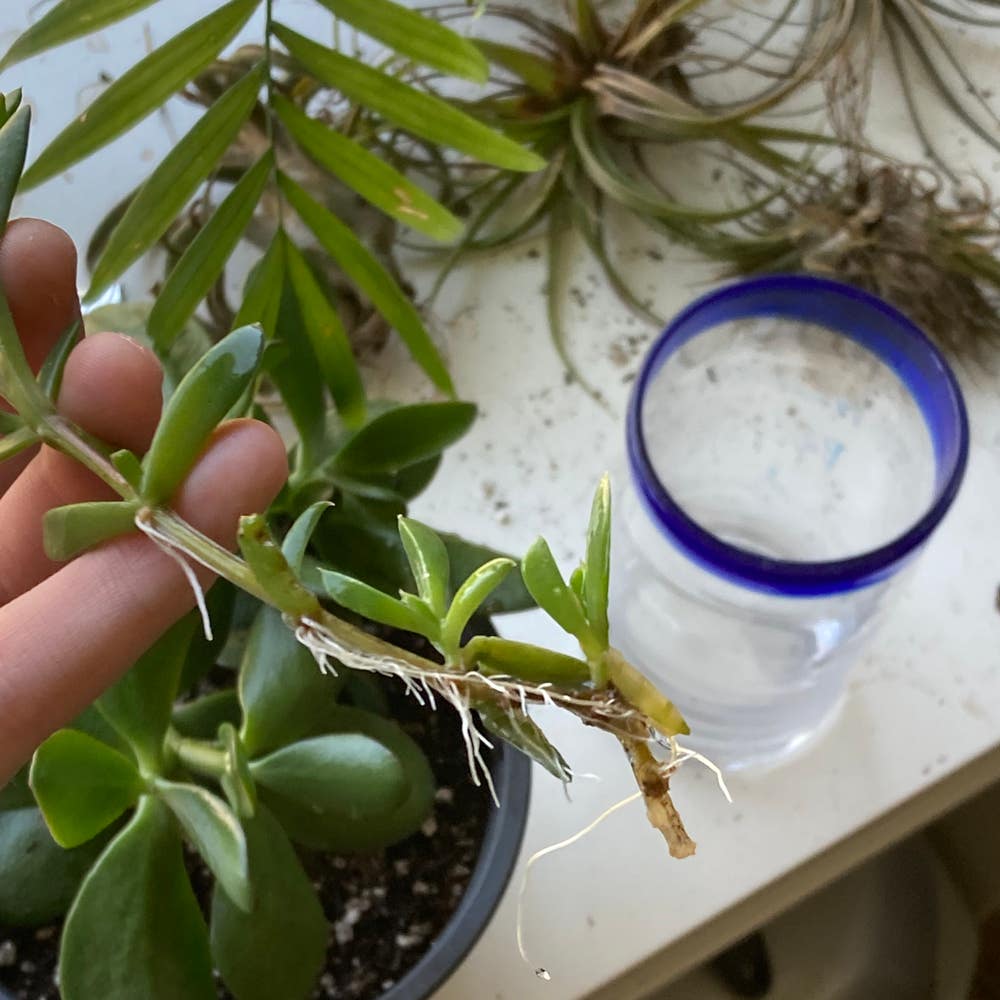
Roots escaping through drainage holes or circling the surface are your Angular Sea-Fig's cry for help. If you spot a root tangle denser than a ball of yarn, it's time for a new pot.
📉 Sluggish Growth: When Your Plant's Size Tells a Story
A growth plateau is like a silent alarm. When your Angular Sea-Fig's leaves stop unfurling with enthusiasm, it's signaling a need for more space. Repotting may be overdue.
💧 Drainage Dilemmas: How Water Behavior Indicates Repotting Time
Water that pools on the soil surface or drains too quickly is a red flag. These symptoms suggest a root system so developed it leaves little room for moisture. It's your cue to repot.
Choosing the Right Home: Pots for Your Angular Sea-Fig
🌱 Size Matters: Picking the Perfect Pot Size
Size is non-negotiable. Your Angular Sea-Fig craves a pot that's just a tad larger than its current digs. Too roomy, and you're flirting with soggy soil syndrome. A snug fit is the sweet spot, giving roots enough room to breathe without drowning in dirt.
🏺 Material World: Comparing Terracotta, Plastic, and Ceramic Options
Terracotta is the old-school cool, breathing like a yoga guru and keeping root rot at bay. But it's a bit of a diva, fragile and heavy. Ceramic pots are the chic middle ground—sturdier, yet still letting the soil breathe. Plastic is the low-key, lightweight contender, but beware: it holds onto moisture like a grudge.
⚖️ Breathability vs. Moisture Retention: What Your Angular Sea-Fig Loves
Your Angular Sea-Fig has a thing for balance. Terracotta might have you watering more often, but it's a pro at preventing waterlogged roots. Plastic is chill with less frequent drinks, but overdo it, and you'll need a life raft for those roots. Ceramic? It's the compromise candidate, offering a bit of both worlds. Just make sure whatever you choose has drainage holes—unless you enjoy living on the edge.
The Repotting Rundown: A Step-by-Step Guide
🌱 Pre-repot prep: Gently freeing your plant and root inspection
Before you start, gather your tools: a new pot, potting mix, trowel, gloves, and watering can. Hydrate your Angular Sea-Fig to ease the roots out. If they're a tangled mess, a coffee filter over the drainage holes will keep them from staging a great escape during the move.
🌿 The perfect potting mix: Soil considerations for your Angular Sea-Fig
Your plant's new foundation should be a well-draining soil mix. Think of it as a VIP lounge for roots: exclusive, airy, and just the right blend of compost, peat moss, and perlite. Mix it like you're on a cooking show, ensuring it's fluffy and ready for action.
🏡 Settling in: Planting your Angular Sea-Fig in its new pot
Time to introduce your plant to its new digs. Ensure the root ball's top is about an inch from the rim—no cliffhanging. Backfill with your premium soil mix, tamping down gently to avoid air pockets. Think of it as tucking your plant into bed. Water carefully, avoiding a flood—just enough to settle the soil. If the soil level drops, add more mix to cover any exposed roots.
Post-Repot Pampering: Aftercare for Thriving Growth
💧 The First Watering: Techniques for Newly Repotted Plants
Watering your Angular Sea-Fig after repotting is like the first coffee of the day – necessary but easy to overdo. Wait until the top inch of soil is dry before giving it a drink. This isn't a dive bar; don't let your plant swim in excess water.
🌞 Light and Temperature: Ensuring your Angular Sea-Fig's Comfort
Place your plant in a bright spot that dodges direct sunlight like a shy celebrity avoiding the paparazzi. Think of it as providing a VIP lounge for your Angular Sea-Fig, where the light is flattering but not glaring.
👀 Monitoring and Maintenance: What to Watch for After Repotting
Keep a vigilant eye on your plant. New growth is a high-five from your Angular Sea-Fig, while drooping is its cry for help. Adjust care accordingly, and remember, this isn't a 'set it and forget it' deal. Your plant's well-being hinges on your watchfulness.
⚠️ Safety First
This content is for general information and may contain errors, omissions, or outdated details. It is not medical, veterinary advice, or an endorsement of therapeutic claims.
Always consult a qualified healthcare professional before using any plant as food, medicine, or supplement.
Never eat any plant (or feed one to pets) without confirming its identity with at least two trusted sources.
If you suspect poisoning, call Poison Control (800) 222-1222, the Pet Poison Helpline (800) 213-6680, or your local emergency service immediately.
Spotted an error? Please report it here.
Ensure your Angular Sea-Fig's roots have ample space to grow 🌿 with Greg's precise pot-sizing and post-repotting care reminders, so you never miss the right moment to repot.