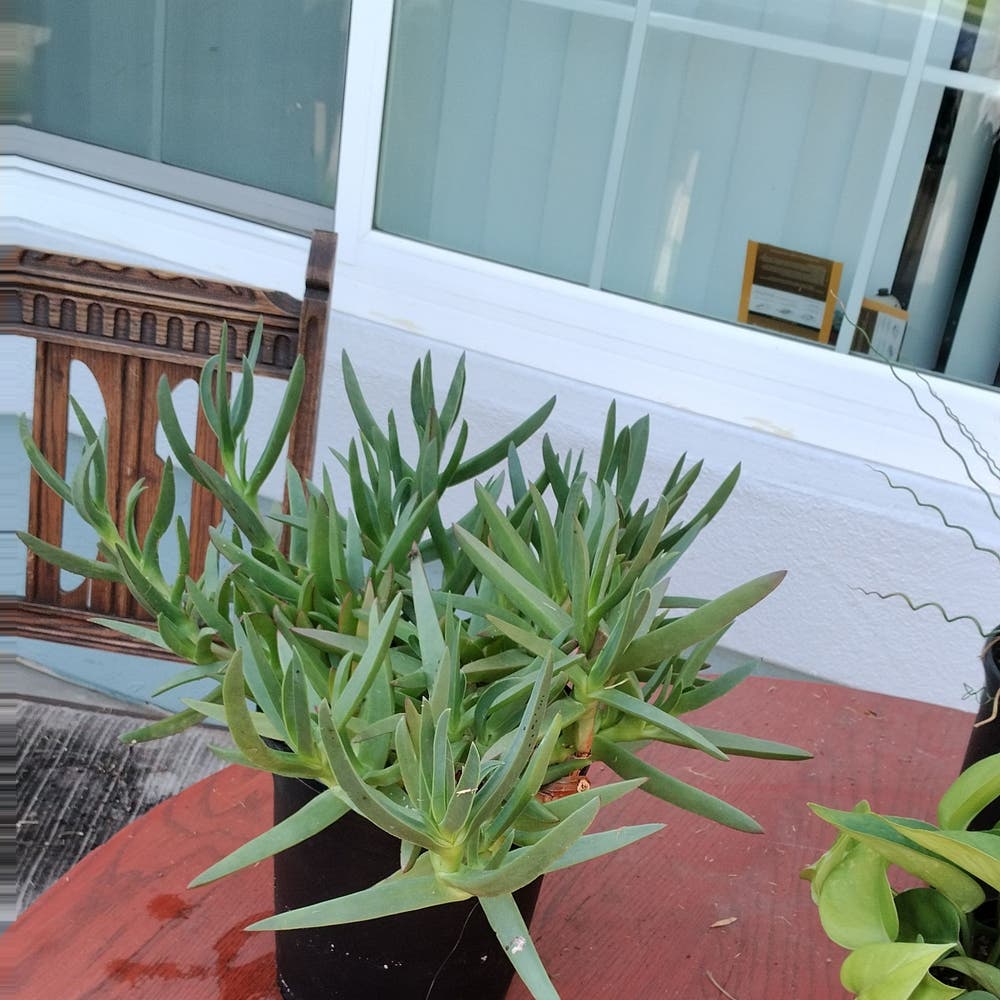
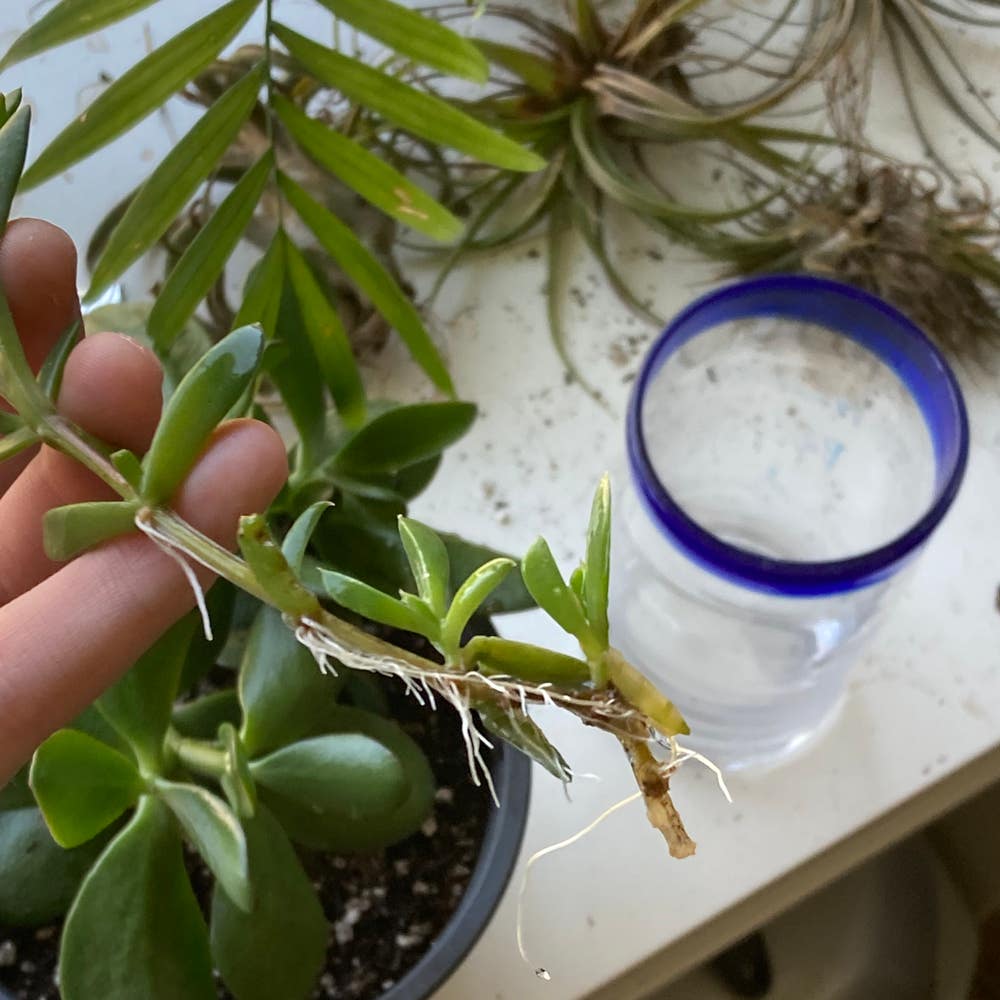
Best Soil for Angular Sea-Fig
Carpobrotus glaucescens
By the Greg Editorial Team
Jun 16, 2024•3 min read
This article was created with the help of AI so we can cover more plants for you. May contain errors. See one? Report it here.
Craft the perfect sandy soil mix 🏖 for your Angular Sea-Fig and watch it flourish like never before!
- 🌱 Sandy soil with organic matter is best for Angular Sea-Fig.
- Avoid heavy, water-retentive soils to prevent root suffocation.
- DIY soil mix: Perlite, coarse sand, and peat moss for perfection.
Spotting Trouble: Unhealthy Soil Signs
🦠 Moldy Menaces: Recognizing and Tackling Mold
Fuzzy patches or a musty smell in your soil are mold's telltale signs. It's a nutrient thief and a silent plant killer.
To fight the mold, remove visible growth and let the soil dry. Increase air circulation; a fan or an open window can work wonders. If mold persists, repot with a sterile mix and add perlite for better drainage.
💧 Water Woes: Dealing with Waterlogged or Compacted Soil
Yellow leaves and stunted growth scream soil distress. Waterlogged or compacted soil is like a wet blanket, smothering your plant's roots.
For quick relief, check your watering habits and ensure proper drainage. If the soil feels like a brick, introduce aeration with pumice or bark. Snip any damaged roots and repot if necessary. Remember, consistency is key.
Soil Selection: Picking the Perfect Mix
💧 The Ideal Texture: Balancing Drainage and Nutrients
Sandy soil is the MVP for Angular Sea-Fig, ensuring quick drainage and preventing waterlogged roots. The plant thrives in a mix that mimics its natural, gritty habitat, offering enough room for roots to spread out and breathe.
Organic matter acts as a nutritional buffet, slowly releasing essential nutrients. It's not just about the sand; incorporating organic components like compost or coco coir gives your Angular Sea-Fig the sustenance it craves.
❌ What to Avoid: Steering Clear of Soil No-Nos
Heavy, clay-rich soils are a no-go; they're like clingy friends that don't know when to let go, holding onto water and suffocating roots.
Beware of soils that are too eager to retain moisture. They can turn your plant's home into a swamp, leading to root rot and a host of other issues. Stick to well-draining, light mixes that allow your Angular Sea-Fig to flourish without the fear of drowning.
DIY Soil Crafting: Mixing It Up at Home
🌱 The Recipe for Success: Ingredients for the Ultimate Soil Mix
Creating the ideal soil mix for Angular Sea-Fig is a bit like being a barista for your plants; you're crafting the perfect blend to perk them up. Start with one part perlite, for that essential aeration and drainage. Add one part coarse sand to keep things loose and prevent compaction. Then, mix in one part peat moss to hold onto just the right amount of moisture.
🎯 Fine-Tuning: Adjusting Your Mix for Perfection
Test your mix by feeling the texture; it should be crumbly, not clumpy. If it's retaining too much water, up the ante on perlite or sand. Conversely, if it's Sahara-desert dry, it's time to increase the peat moss. Keep an eye on your Angular Sea-Fig's response and tweak the recipe as needed. Remember, you're not just mixing soil; you're curating an environment for growth.
⚠️ Safety First
This content is for general information and may contain errors, omissions, or outdated details. It is not medical, veterinary advice, or an endorsement of therapeutic claims.
Always consult a qualified healthcare professional before using any plant as food, medicine, or supplement.
Never eat any plant (or feed one to pets) without confirming its identity with at least two trusted sources.
If you suspect poisoning, call Poison Control (800) 222-1222, the Pet Poison Helpline (800) 213-6680, or your local emergency service immediately.
Spotted an error? Please report it here.
Ensure your Angular Sea-Fig flourishes with the right sandy mix and let Greg send you tailored watering and soil maintenance reminders 🌿.