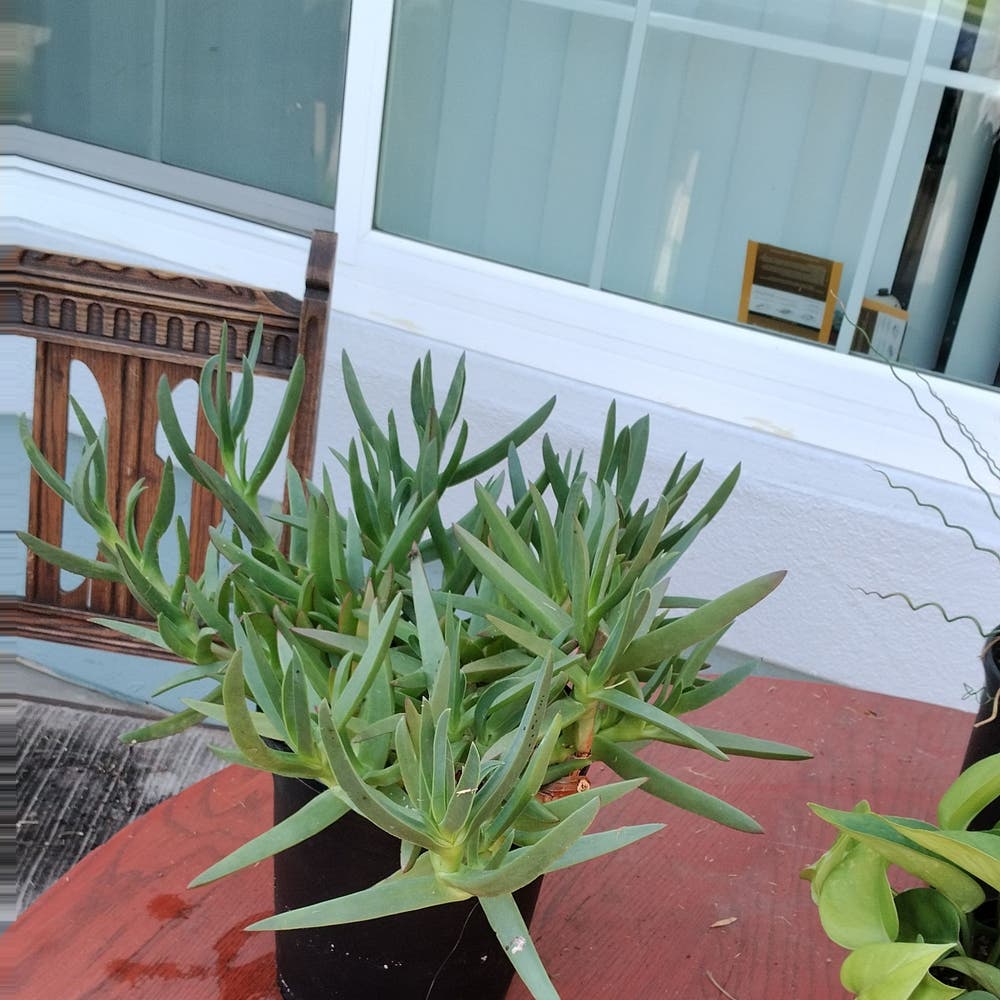
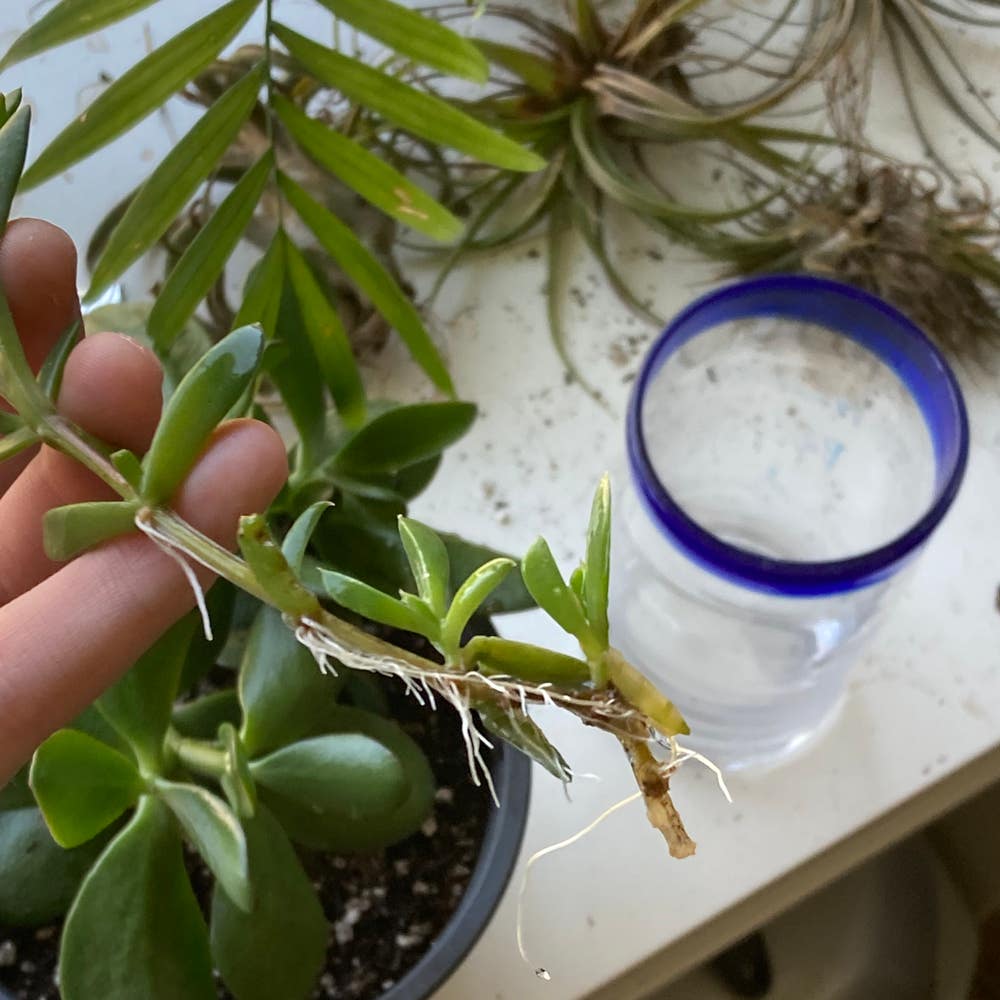
What Are The Bugs on My Angular Sea-Fig?
Carpobrotus glaucescens
By the Greg Editorial Team
Jun 16, 2024•3 min read
This article was created with the help of AI so we can cover more plants for you. May contain errors. See one? Report it here.
Safeguard your Angular Sea-Fig 🌿 from pesky invaders 🐛 with these proven detection and prevention strategies!
- 🕸️ Spider mites and mealybugs: Look for webs and white fluff; treat with soap or alcohol.
- 💧🌱 Overwatering attracts gnats and flies; dry soil and sticky traps help.
- 🐞 Use natural predators like ladybugs, or insecticidal solutions for severe cases.
Spot the Invaders: Identifying Common Pests
🕷️ Spider Mites
Tiny dots and webs on your Angular Sea-Fig? Spider mites are the likely culprits. These pests are nearly microscopic but their handiwork isn't. You'll see their fine silk and the mottled look they leave on leaves.
Quick fixes include a strong water spray to knock them off. For a more thorough approach, insecticidal soap or neem oil can be applied. Repeat treatments may be necessary to keep these tiny terrors at bay.
🦟 Scale Insects
If you find odd bumps on stems and leaves, you're probably looking at scale insects. They're not just an eyesore; they suck the life out of your plant and excrete sticky honeydew.
Manual removal with a toothpick or a cotton swab dipped in rubbing alcohol can be effective. For larger infestations, consider organic treatments like neem oil or insecticidal soap.
🦟 Fungus Gnats and Fruit Flies
Overwatering can turn your plant's soil into a fly haven. If you see tiny insects flitting about, it's time to reassess your watering routine.
Drying out the top layer of soil can deter these pests. Yellow sticky traps can catch adults, while a change in watering habits can prevent larvae from thriving.
🐛 Mealybugs
Spot some white, fluffy stuff on your Angular Sea-Fig? That's the calling card of mealybugs. They're like tiny, sap-sucking cotton monsters.
Your arsenal against mealybugs includes alcohol swabs to wipe them out on sight. Insecticidal soap or neem oil can help with more stubborn infestations.
🦗 Aphids
Clusters of tiny bugs on new growth or under leaves? Those are aphids, notorious for their sap-sucking habits.
Blasting them with water can dislodge these pests. Introducing predators like ladybugs can provide natural control, while insecticidal soap offers a more direct approach.
Remedies and Treatments: Battling the Bugs
🐞 Natural Predators and Biological Controls
Predatory insects like ladybugs and lacewings are your garden's secret service against pests. Release them near your Angular Sea-Fig to combat aphids and mites. Nematodes, the unseen warriors, will take care of soil-dwelling larvae.
💣 Chemical Solutions
Insecticidal soaps and oils are the SWAT team for your plant—use them when the infestation gets out of hand. They work by suffocating pests upon contact. Apply sparingly; these agents are potent and can affect more than just the unwanted guests.
🏡 Home Remedies
For a more hands-on approach, rubbing alcohol is your precision tool against mealybugs and scale insects. Apply with a cotton swab directly to the pests. Hydrogen peroxide mixed with water can cleanse the soil of eggs and larvae, acting as a soil sanitizer.
Prevention: Keeping Your Angular Sea-Fig Pest-Free
🌡️ Environmental Checks
Humidity and cleanliness aren't just buzzwords; they're your first line of defense against pests. A bug's paradise is often a plant's nightmare, so keep the area around your Angular Sea-Fig spick-and-span. Remove dead leaves and debris promptly—they're nothing but pest motels.
👩🌾 Cultural Practices
Watering and fertilization are like a tightrope walk; too much or too little, and you're inviting trouble. Ensure your Angular Sea-Fig's soil is the Goldilocks zone—not too wet, not too dry. Over-fertilizing? That's just a buffet sign for pests like scale insects. Get it just right, and you'll keep the bugs guessing.
👀 Regular Monitoring
Be a plant detective. Regular inspections are crucial—look under leaves, along stems, and don't ignore the slightest sign of distress. Early detection isn't just a catchphrase; it's the difference between a minor annoyance and a full-blown infestation. Keep those critters in check with vigilance and good plant hygiene.
⚠️ Safety First
This content is for general information and may contain errors, omissions, or outdated details. It is not medical, veterinary advice, or an endorsement of therapeutic claims.
Always consult a qualified healthcare professional before using any plant as food, medicine, or supplement.
Never eat any plant (or feed one to pets) without confirming its identity with at least two trusted sources.
If you suspect poisoning, call Poison Control (800) 222-1222, the Pet Poison Helpline (800) 213-6680, or your local emergency service immediately.
Spotted an error? Please report it here.
Keep your Angular Sea-Fig pest-free 🐛 with Greg's tailored care reminders, ensuring early detection and perfect watering to deter those pesky invaders.