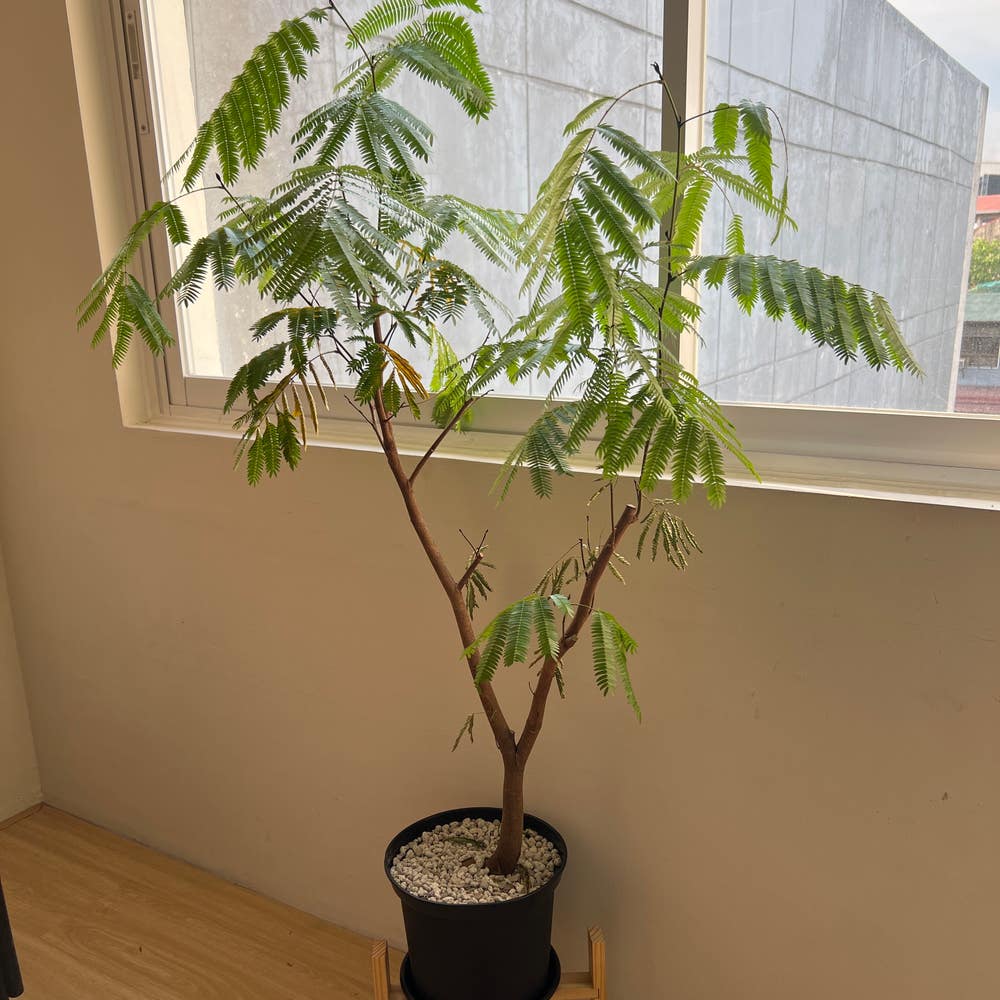
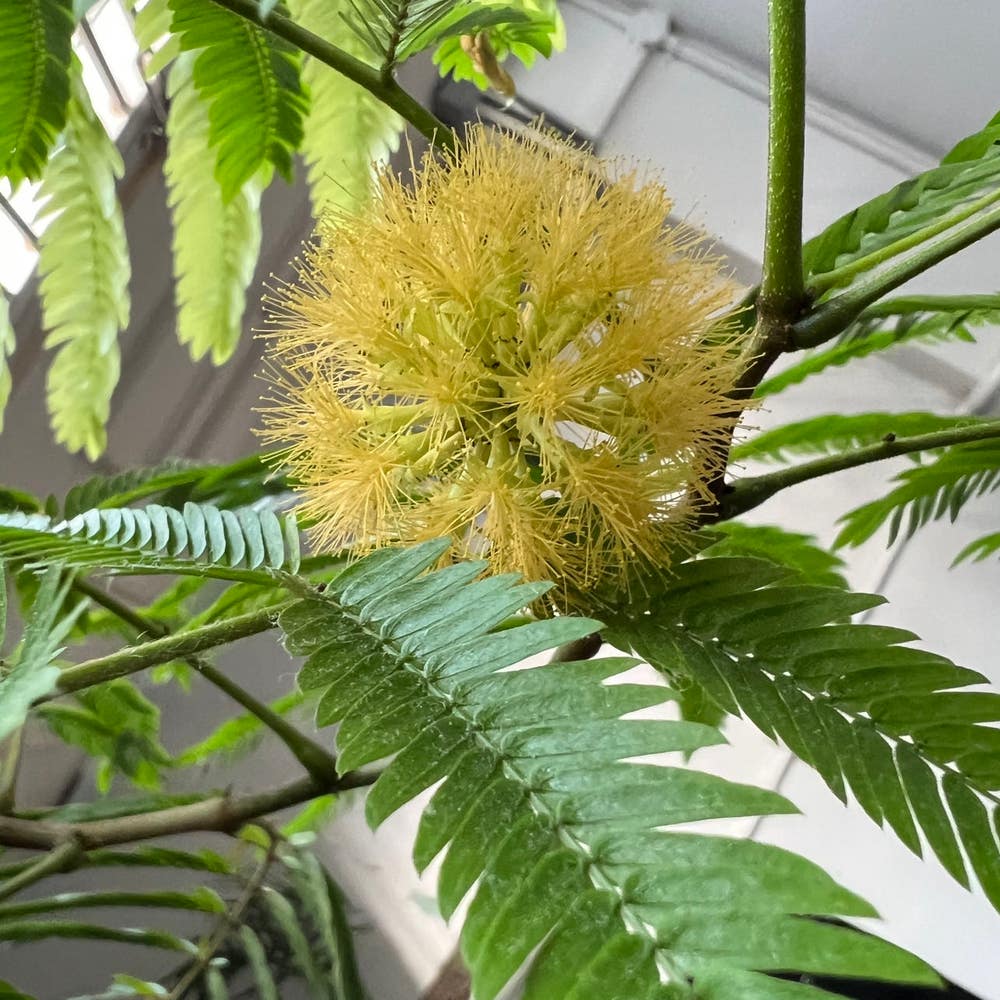
🐛 What's Eating Your Acle
Albizia acle
By the Greg Editorial Team
Nov 08, 2024•7 min read
This article was created with the help of AI so we can cover more plants for you. May contain errors. See one? Report it here.
Safeguard your Acle garden from herbivores while cultivating a thriving ecosystem! 🌿
- 🦌 Deer and rabbits threaten Acle, but also aid in seed dispersal.
- 🌱 Effective deterrents include repellents, fencing, and companion planting for Acle protection.
- 🐦 Birds and squirrels can damage Acle, yet they also support pollination and seed dispersal.
Common Herbivores Affecting Acle
🦌 Deer
Signs of Presence and Damage Caused
Deer can be a significant threat to Acle plants. Look for hoof prints in muddy areas, which indicate their presence, and ragged edges on leaves and stems, showing they've been browsing. Typically, the damage occurs at a height of 3-6 feet off the ground.
Beneficial vs. Harmful Interactions
While deer are generally harmful, severely reducing plant vigor and aesthetics, they can also play a role in seed dispersal if they consume seeds. This duality highlights the complex relationship between herbivores and plants.
Deterrent Methods
To keep deer at bay, consider using commercial deer repellents containing putrescent egg solids. Alternatively, you can plant deer-resistant companion plants or use organic deterrents like human hair or soap shavings.
🐇 Rabbits
Signs of Presence and Damage Caused
Rabbits leave small, round droppings and footprints as signs of their presence. They often cause damage by cleanly cutting stems and leaves at ground level, which can be particularly devastating for young plants.
Beneficial vs. Harmful Interactions
Rabbits are generally harmful, capable of decimating young plants and seedlings. However, they also serve as prey for local predators, contributing to the food chain and maintaining ecological balance.
Deterrent Methods
For easy deterrence, use bitter-tasting sprays that make plants unappealing to rabbits. You can also erect fencing that is 2-3 feet high or plant rabbit-resistant varieties to protect your Acle.
🐿️ Squirrels
Signs of Presence and Damage Caused
Squirrels can be identified by chewed bark and scattered debris from their digging activities. They leave gnaw marks on stems and fruits, and may even uproot seedlings, causing significant damage.
Beneficial vs. Harmful Interactions
Generally harmful, squirrels can lead to considerable plant damage. On the flip side, they aid in seed dispersal for other plants, showcasing their role in the ecosystem.
Deterrent Methods
To deter squirrels, consider using capsaicin-based sprays that make plants taste unpleasant. Installing squirrel-proof feeders and using reflective objects can also help keep them away.
🐦 Birds
Signs of Presence and Damage Caused
Birds often leave feathered droppings and peck marks on fruits. They can significantly damage Acle by eating fruits and flowers, especially during ripening.
Beneficial vs. Harmful Interactions
While birds can reduce fruit yield, they also provide benefits such as pollination and pest control by consuming harmful insects. This balance is essential for a healthy garden ecosystem.
Deterrent Methods
Non-toxic bird repellents can be effective in keeping birds away from your Acle. Additionally, using netting over fruits and employing scare tactics like reflective tape can help protect your plants.
🐭 Rodents (Mice, Voles, etc.)
Signs of Presence and Damage Caused
Rodents leave signs such as burrows, droppings, and gnaw marks. They can cause damage by chewing roots and stems, particularly during winter months.
Beneficial vs. Harmful Interactions
Rodents are generally harmful, weakening plants and potentially leading to their death. However, they also serve as prey for larger predators, maintaining ecological balance.
Deterrent Methods
To manage rodent populations, consider using rodent bait stations as a chemical deterrent. Organic methods like trapping and natural repellents, such as peppermint oil, can also be effective.
🦡 Groundhogs/Woodchucks
Signs of Presence and Damage Caused
Groundhogs are identifiable by large burrows and clipped vegetation. They can cause significant damage to stems and roots, often leading to plant death.
Beneficial vs. Harmful Interactions
Generally harmful, groundhogs can devastate garden areas. However, their burrowing activities can aerate the soil, contributing to overall soil health.
Deterrent Methods
For a more challenging deterrent, consider using commercial repellents containing predator urine. Organic methods include erecting fencing that is 3-4 feet high and planting deterrent plants like lavender.
Understanding these common herbivores and their interactions with Acle is crucial for maintaining a healthy garden. By employing effective deterrent methods, you can protect your plants while appreciating the role these animals play in the ecosystem.
Beneficial Animals Attracted to Acle
🐝 Description of Beneficial Animals
Acle gardens thrive with the presence of beneficial animals. Pollinators like bees, butterflies, and hummingbirds play a crucial role in the ecosystem, ensuring plants reproduce effectively.
Predators such as birds of prey and beneficial insects also contribute significantly. They help keep harmful insect populations in check, creating a balanced environment.
🌱 Positive Impacts on the Garden Ecosystem
The presence of these beneficial animals leads to enhanced pollination, which results in better fruit and seed production. This natural process not only boosts your garden's yield but also enriches the overall biodiversity.
Moreover, these predators provide natural pest control. By preying on harmful insects, they reduce the need for chemical interventions, promoting a healthier garden ecosystem.
Incorporating beneficial animals into your Acle garden can transform it into a vibrant, productive space. By fostering an environment that attracts these creatures, you can enjoy a flourishing garden while supporting local wildlife.
As we explore further, let’s discuss general strategies for protecting Acle from herbivore damage.
General Strategies for Protecting Acle
🛡️ Preventive Measures Against Herbivore Damage
Fencing is one of the most effective ways to protect your Acle from herbivores. Aim for a height of at least 3-4 feet, using sturdy materials like wire mesh or wooden panels to keep out deer and rabbits.
Companion planting can also be a game-changer. By selecting plants that naturally deter herbivores, you can create a protective environment for your Acle. Consider planting strong-scented herbs or flowers that herbivores typically avoid.
⚠️ Reactive Solutions for Managing Animal Interactions
Regular garden inspections are crucial for early detection of animal activity. Keeping an eye out for signs of damage or tracks allows you to respond swiftly before significant harm occurs.
When you notice unwanted visitors, immediate response strategies are essential. Trapping and removal methods can help manage populations of herbivores effectively, ensuring your Acle remains healthy.
🌱 Seasonal Variations in Animal Attraction to Acle
Understanding seasonal variations in animal behavior can help you anticipate challenges. In spring, increased activity is common as animals seek out tender young shoots.
During summer, the allure of flowers and fruits draws in various herbivores. By fall, many animals begin foraging in preparation for winter, making it vital to stay vigilant throughout the seasons.
These strategies not only protect your Acle but also foster a thriving garden ecosystem. By implementing preventive and reactive measures, you can enjoy the beauty of your plants while minimizing damage from herbivores.
Ecological Balance
🌱 Importance of Maintaining a Balanced Garden Ecosystem
Maintaining a balanced garden ecosystem is crucial for the health of your plants, including Acle. Herbivores play a vital role in nutrient cycling, breaking down plant material and returning nutrients to the soil.
Promoting biodiversity through diverse plantings not only enhances the aesthetic appeal of your garden but also supports various species. A rich variety of plants can attract beneficial insects and pollinators, creating a thriving environment.
🦙 Acknowledgment of the Roles of Herbivores in the Ecosystem
Herbivores are essential components of the food web. They provide a food source for predators, helping to maintain ecological balance.
Their presence also contributes to soil health and plant diversity. By grazing, they stimulate new growth and promote a variety of plant species, which can enhance overall garden resilience.
⚠️ Discussion of Any Toxic Effects Acle Might Have on Animals
While Acle is generally a beautiful addition to gardens, it’s important to be aware of its potential toxic properties. Certain compounds in Acle can be harmful to animals if ingested.
Understanding these implications is key for managing animal interactions and ensuring plant health. By being mindful of these factors, you can create a safe and vibrant garden ecosystem that benefits both plants and wildlife.
As we explore the strategies for protecting Acle, remember that fostering a balanced ecosystem is the foundation for a thriving garden.
⚠️ Safety First
This content is for general information and may contain errors, omissions, or outdated details. It is not medical, veterinary advice, or an endorsement of therapeutic claims.
Always consult a qualified healthcare professional before using any plant as food, medicine, or supplement.
Never eat any plant (or feed one to pets) without confirming its identity with at least two trusted sources.
If you suspect poisoning, call Poison Control (800) 222-1222, the Pet Poison Helpline (800) 213-6680, or your local emergency service immediately.
Spotted an error? Please report it here.
Protect your Acle from pesky herbivores with Greg's expert tips on deterrents and companion planting, ensuring your garden flourishes despite the challenges! 🐾