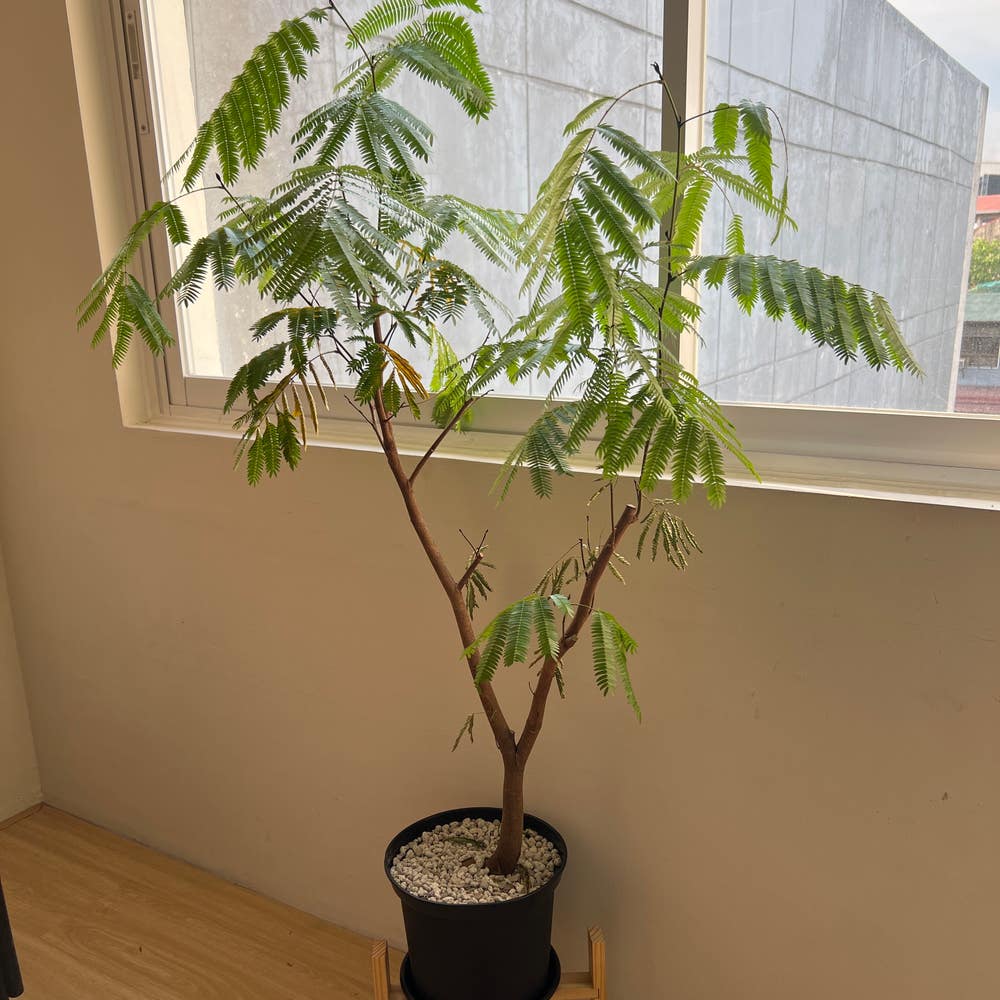
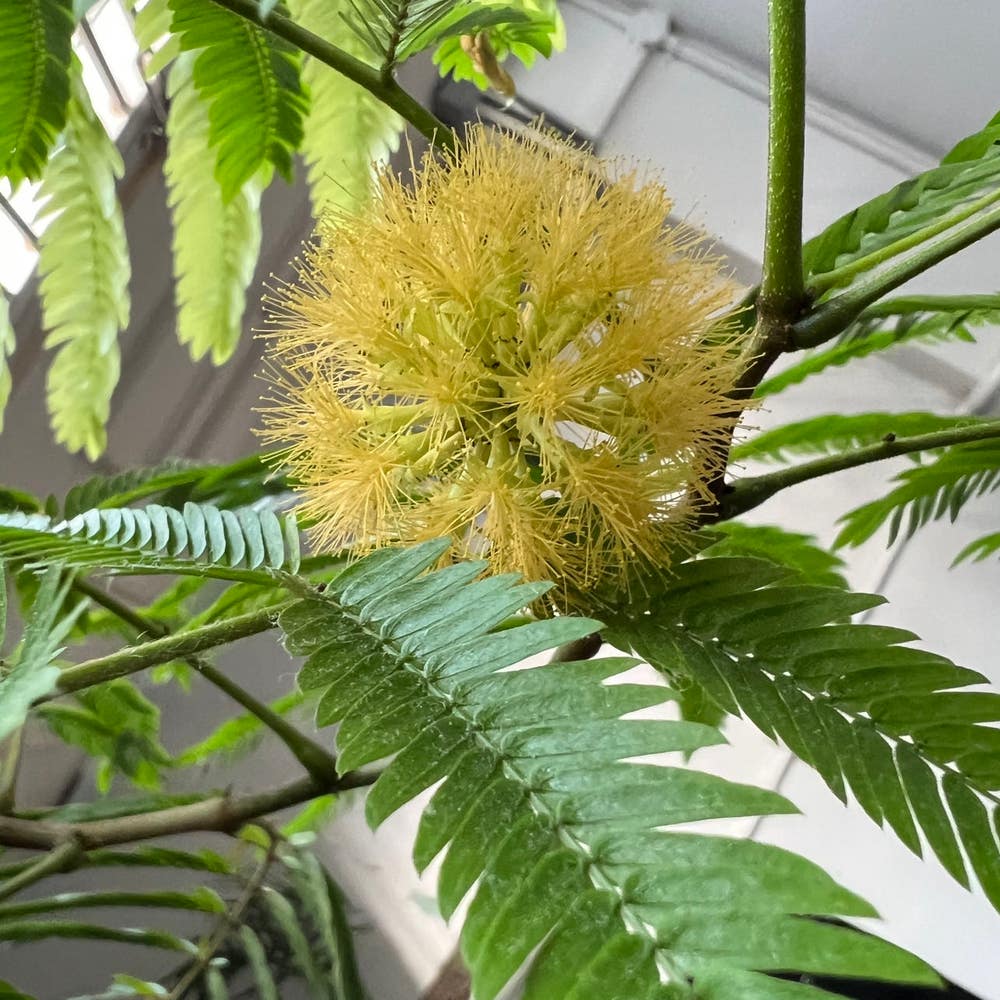
🌱 Best Tips for Propagating Acle
Albizia acle
By the Greg Editorial Team
Nov 08, 2024•5 min read
This article was created with the help of AI so we can cover more plants for you. May contain errors. See one? Report it here.
Unlock a lush Acle garden 🌿 by mastering easy propagation techniques from cuttings, seeds, and division!
- 🌱 Select healthy 4-6 inch cuttings with 2-3 leaf nodes for successful propagation.
- 🌡️ Maintain 70°F to 80°F for optimal rooting conditions and use humidity domes.
- 🚫💧 Avoid overwatering; keep soil moist but not soggy to prevent root rot.
Propagating Acle from Cuttings
🌱 Step-by-step guide for taking cuttings
To start propagating Acle from cuttings, select healthy stems that are 4-6 inches long and have at least 2-3 leaf nodes. Using clean, sharp pruning shears or scissors is crucial to avoid damaging the plant during the process.
Make a clean cut just below a leaf node. This technique encourages root development, setting your cuttings up for success.
🌡️ Ideal conditions for rooting cuttings
Creating the right environment is key for rooting cuttings. Maintain a warm temperature between 70°F to 80°F (21°C to 27°C) to promote growth.
Humidity is also essential. Use a humidity dome or a plastic bag to retain moisture around the cuttings, ensuring they don’t dry out. Additionally, provide indirect sunlight to prevent leaf scorch while still encouraging healthy growth.
❌ Common mistakes to avoid
When propagating Acle, avoid overwatering your cuttings. The soil should be moist but not soggy to prevent root rot.
Another common mistake is neglecting the use of rooting hormone. Applying it can significantly enhance root development. Lastly, be mindful of light conditions; avoid placing cuttings in direct sunlight until they establish roots.
By following these guidelines, you can successfully propagate Acle from cuttings, ensuring a thriving plant collection. Next, let’s explore how to propagate Acle from seeds for even more growth opportunities.
Propagating Acle from Seeds
🌱 How to collect and prepare seeds
Collecting seeds from Acle plants is straightforward. Wait until the seed pods turn brown and dry, indicating they are ready for harvest.
Once harvested, clean the seeds thoroughly to remove any pulp or debris. This step is crucial for ensuring healthy germination.
🌿 Germination process and conditions
For successful germination, start with a well-draining seed-starting mix. This will provide the right environment for your seeds to thrive.
Maintain a temperature between 65°F to 75°F (18°C to 24°C) for optimal germination. Keeping the soil consistently moist, but not waterlogged, is essential for encouraging seed growth.
⏰ Timing for planting seeds
The best time to plant Acle seeds is in early spring. This timing allows the plants to take full advantage of the growing season.
Be mindful of local climate conditions to avoid frost. Monitoring the weather will help ensure your seeds have the best chance to flourish.
With these steps, you’ll be well on your way to successfully propagating Acle from seeds. Next, let’s explore how to propagate Acle through division for even more growth opportunities.
Propagating Acle through Division
🌱 When and how to divide Acle plants
Dividing Acle plants is best done in early spring or fall when they are actively growing. This timing ensures that the plants can recover quickly and thrive in their new locations.
To divide, carefully separate the root ball into sections. Each section should have both roots and shoots to ensure successful reestablishment.
🌿 Best practices for replanting divided sections
When replanting, make sure to plant the divided sections at the same depth they were previously growing. This consistency helps the plants acclimate and reduces transplant shock.
Space the divided sections 12-18 inches apart to allow for ample growth. This spacing promotes healthy air circulation and prevents overcrowding.
⚠️ Signs that division is necessary
Keep an eye out for signs that your Acle plants need division. If you notice roots pushing through the drainage holes of pots, it's a clear indicator of overcrowding.
Additionally, a noticeable decline in growth or vigor can signal that division is necessary. Addressing these issues promptly will help maintain the health of your plants.
Transitioning to the next topic, understanding common problems in Acle propagation can further enhance your gardening success.
Troubleshooting Acle Propagation
🛠️ Common Problems and Solutions
When propagating Acle, you may encounter a few common issues. Understanding these problems can help you troubleshoot effectively.
🌱 Issues with Cuttings Not Rooting
If your cuttings aren't rooting, several factors could be at play.
- Possible causes: Insufficient humidity, inadequate light, or overwatering can hinder root development.
- Solutions: To combat these issues, increase humidity by using a humidity dome, ensure your cuttings receive proper light, and adjust your watering practices to keep the soil moist but not soggy.
🌱 Seed Germination Failures
Seed germination can also pose challenges.
- Common reasons: Poor seed quality, incorrect temperature, or inadequate moisture often lead to failed germination.
- Solutions: Use fresh seeds, maintain an optimal temperature between 65°F to 75°F (18°C to 24°C), and ensure the soil remains consistently moist.
💧 Signs of Overwatering or Underwatering
Recognizing the signs of overwatering or underwatering is crucial for Acle health.
- Overwatering: Look for yellowing leaves, mushy stems, and mold growth on the soil surface.
- Underwatering: Signs include wilting leaves, dry soil, and stunted growth.
🐛 Pests and Diseases
Pests and diseases can also affect your Acle during propagation.
🐜 Common Pests Affecting Acle During Propagation
Being aware of common pests is essential for maintaining healthy plants.
- Aphids: These small, green insects can weaken both cuttings and seedlings.
- Fungus gnats: Their larvae can damage roots; you can identify them by spotting small flies around the soil.
🛡️ Preventative Measures and Treatments
Taking proactive steps can help you manage pest issues effectively.
- Regular inspection: Check your plants weekly for any signs of pests and remove affected plants promptly.
- Organic treatments: Use neem oil or insecticidal soap to manage infestations without harsh chemicals.
By staying vigilant and addressing these common problems, you can enhance your success in propagating Acle. Next, we’ll explore the exciting process of propagating Acle from seeds, diving into the best practices for collecting and preparing seeds.
⚠️ Safety First
This content is for general information and may contain errors, omissions, or outdated details. It is not medical, veterinary advice, or an endorsement of therapeutic claims.
Always consult a qualified healthcare professional before using any plant as food, medicine, or supplement.
Never eat any plant (or feed one to pets) without confirming its identity with at least two trusted sources.
If you suspect poisoning, call Poison Control (800) 222-1222, the Pet Poison Helpline (800) 213-6680, or your local emergency service immediately.
Spotted an error? Please report it here.
Propagating Acle is easier than you think 🌿—let Greg guide you with personalized tips and reminders to help your cuttings thrive!