☀️ Ultimate Guide to Direct Sunlight for Acle
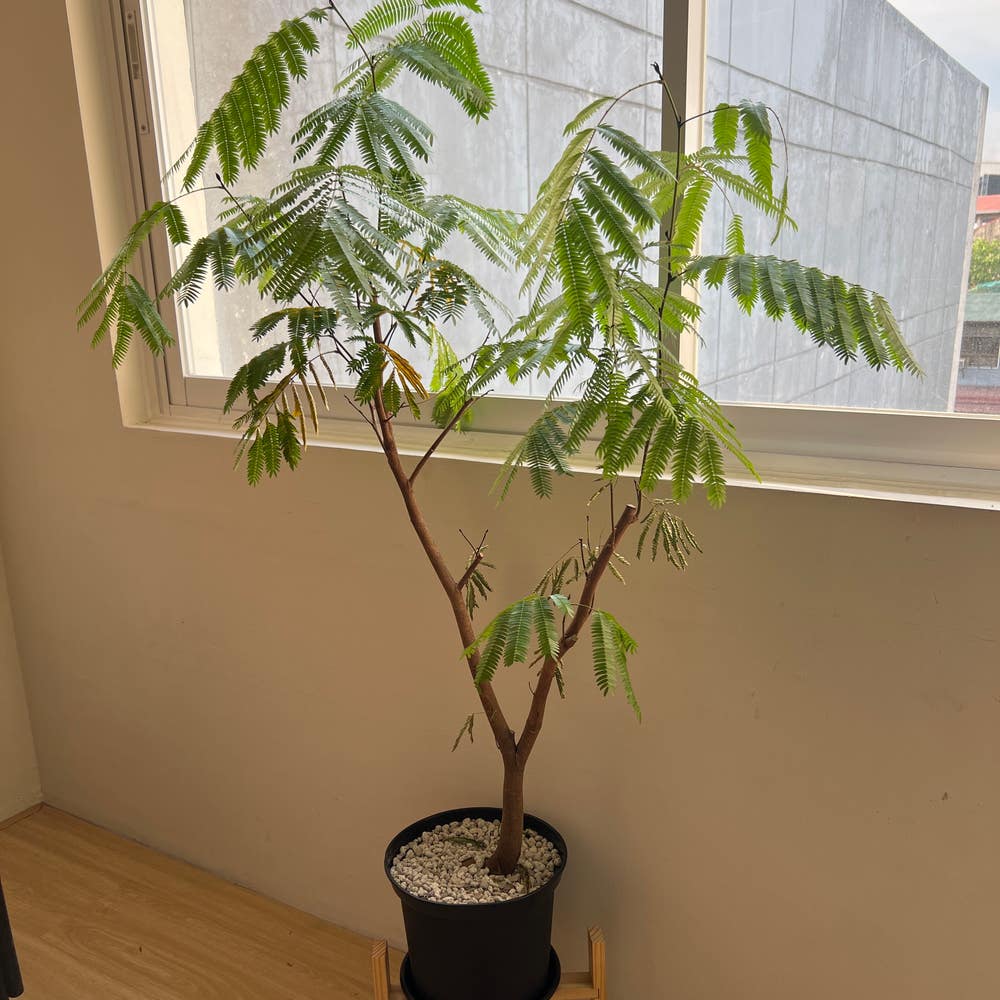
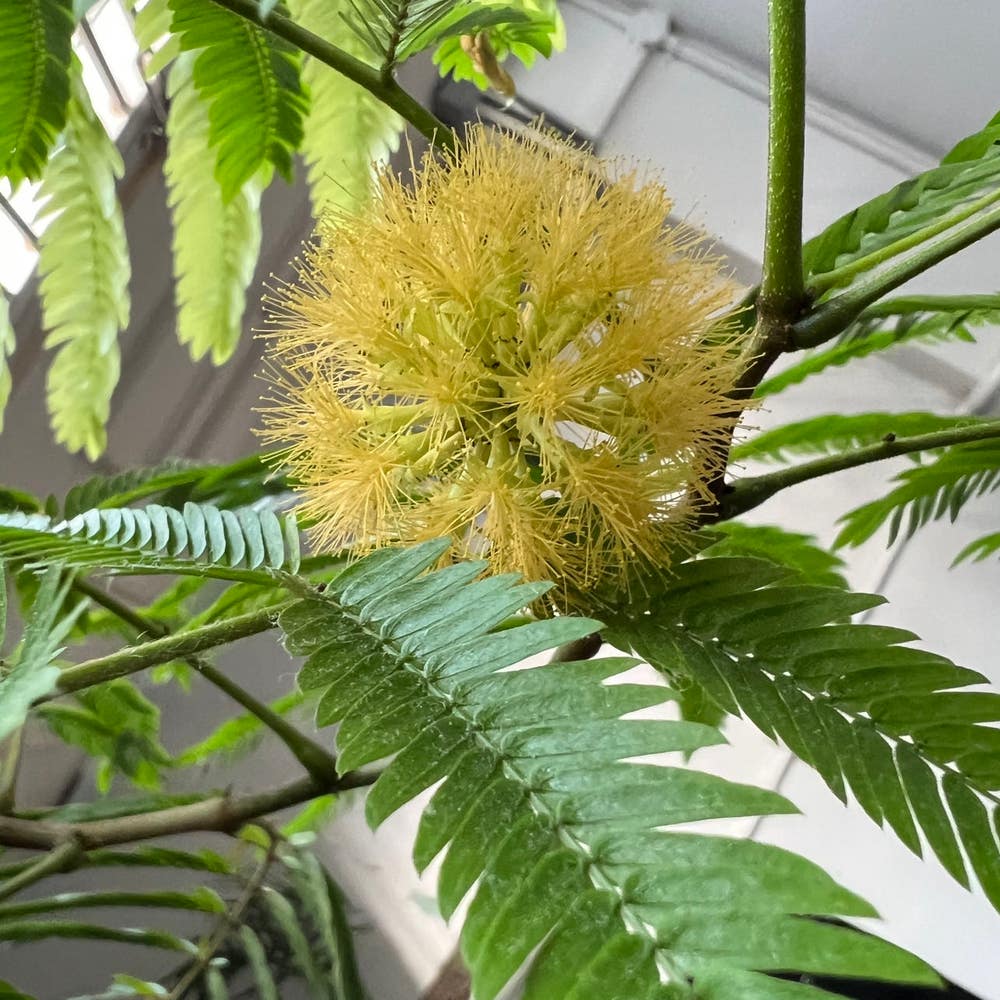
Albizia acle
By the Greg Editorial Team
Nov 08, 2024•4 min read
This article was created with the help of AI so we can cover more plants for you. May contain errors. See one? Report it here.
Unlock Acle's full potential 🌱 by mastering its sunlight needs for vibrant growth and health! ☀️
- 🌞 Acle thrives in bright, indirect sunlight; too much direct light can cause damage.
- 🌅 Gradual exposure to direct sunlight is key to preventing stress and leaf burn.
- 🌿 Monitor moisture levels closely when Acle is in direct sunlight to avoid dehydration.
Acle's Sunlight Needs
🌞 Does Acle Need Direct Sunlight?
Acle does not require direct sunlight to thrive, but it can adapt to some exposure. The ideal light conditions for Acle include bright, indirect sunlight, which helps prevent stress and damage to its leaves.
☀️ Can Acle Tolerate Direct Sunlight?
Yes, Acle can tolerate limited direct sunlight, particularly during the morning or late afternoon when the sun is less intense. Gradual exposure is essential; it allows Acle to adjust to direct sunlight without suffering harm.
🌤️ Can Acle Survive in Indirect Sunlight?
Absolutely! Acle can survive in indirect sunlight, which is actually its preferred condition. However, insufficient light may result in slower growth and less vibrant foliage, so it's important to monitor its light exposure.
Understanding Acle's sunlight needs is crucial for its health and vitality. By providing the right conditions, you can ensure your plant thrives beautifully. Next, let's explore the effects of direct sunlight on Acle and how it influences growth.
Effects of Direct Sunlight on Acle
🌞 Positive Effects of Sunlight on Growth
Direct sunlight can significantly enhance Acle's growth by promoting photosynthesis. This process leads to healthier, more robust plants, with increased leaf size and vibrancy when exposure is managed correctly.
⚠️ Negative Effects
🌞 Sunburn
While sunlight is beneficial, Acle's broad leaves are sensitive to intense rays. Sunburn can occur, resulting in brown, crispy edges that signal distress.
💧 Wilting
Excessive direct sunlight can also lead to wilting due to dehydration. It's crucial to monitor moisture levels closely when Acle is exposed to direct sunlight to prevent this issue.
Understanding these effects helps you strike the right balance in your plant care routine. By managing sunlight exposure, you can ensure Acle thrives beautifully in your home.
Importance of Window Direction
🌞 South-Facing Windows
South-facing windows are a sun lover's paradise. They bask in the most direct sunlight throughout the day, making them perfect for plants that thrive in bright light.
However, while Acle enjoys this exposure, it can benefit from filtered light to prevent sunburn. A sheer curtain or a nearby tree can help diffuse the harsh rays.
❄️ North-Facing Windows
On the flip side, north-facing windows offer the least amount of direct sunlight. This cooler, shaded environment can be a challenge for Acle.
Without supplemental light, Acle may struggle to flourish in these dim conditions. Consider using grow lights to give your plant the boost it needs.
🌅 East and West-Facing Windows
East-facing windows are a sweet spot for Acle, providing gentle morning sunlight. This softer light is ideal for promoting healthy growth without the risk of sunburn.
Conversely, west-facing windows can be a bit intense. They receive strong afternoon sun, so it's crucial to monitor Acle closely to avoid damage from the heat.
Understanding the nuances of window direction can significantly impact Acle's health and vitality. By choosing the right spot, you can create an optimal environment for your plant to thrive.
Hemisphere Considerations
🌍 Northern Hemisphere vs. Southern Hemisphere
The intensity and duration of sunlight can significantly differ between the Northern and Southern Hemispheres. In the Southern Hemisphere, Acle may require extra protection from direct sunlight during the summer months, as the sun's rays are often more intense.
🌞 Seasonal Changes in Sunlight Intensity
As seasons change, so does the light exposure for Acle. Plant parents should be prepared to adjust care routines as days lengthen in summer and shorten in winter, ensuring Acle receives optimal light conditions throughout the year.
Understanding these hemisphere-specific and seasonal variations is crucial for maintaining Acle's health and vibrancy. By being mindful of these factors, you can create the perfect environment for your plant to thrive.
Next, we will explore practical tips for acclimating Acle to direct sunlight, ensuring it flourishes in its ideal conditions.
Practical Tips for Acle in Direct Sunlight
🌞 How to Acclimate Acle to Direct Sunlight
Acclimating Acle to direct sunlight is crucial for its health. Start by gradually increasing exposure over 1-2 weeks.
- Begin with just 1-2 hours of direct sunlight.
- Slowly extend the duration as Acle adjusts.
- Keep a close eye on Acle for any signs of stress or sunburn.
🔍 Signs of Too Much Sunlight for Acle
It's essential to recognize when Acle has had too much sun. Watch for these telltale signs:
- Yellowing or browning leaf edges indicate stress.
- Wilting or drooping leaves suggest dehydration.
- Leaf drop or stunted growth can signal serious issues.
🌱 Adjusting Light Exposure Based on Seasons
Seasonal changes can significantly affect Acle's light needs. Here’s how to adjust accordingly:
- In summer, provide more shade or relocate Acle to a less intense light area.
- In winter, consider increasing light exposure as the sunlight intensity decreases.
By following these practical tips, you can ensure Acle thrives in direct sunlight while avoiding potential pitfalls. Next, let’s explore the importance of window direction for optimal light exposure.
⚠️ Safety First
This content is for general information and may contain errors, omissions, or outdated details. It is not medical, veterinary advice, or an endorsement of therapeutic claims.
Always consult a qualified healthcare professional before using any plant as food, medicine, or supplement.
Never eat any plant (or feed one to pets) without confirming its identity with at least two trusted sources.
If you suspect poisoning, call Poison Control (800) 222-1222, the Pet Poison Helpline (800) 213-6680, or your local emergency service immediately.
Spotted an error? Please report it here.
Keep your Acle thriving in sunlight ☀️ by using Greg's tailored reminders to monitor its light exposure and prevent stress from too much sun!