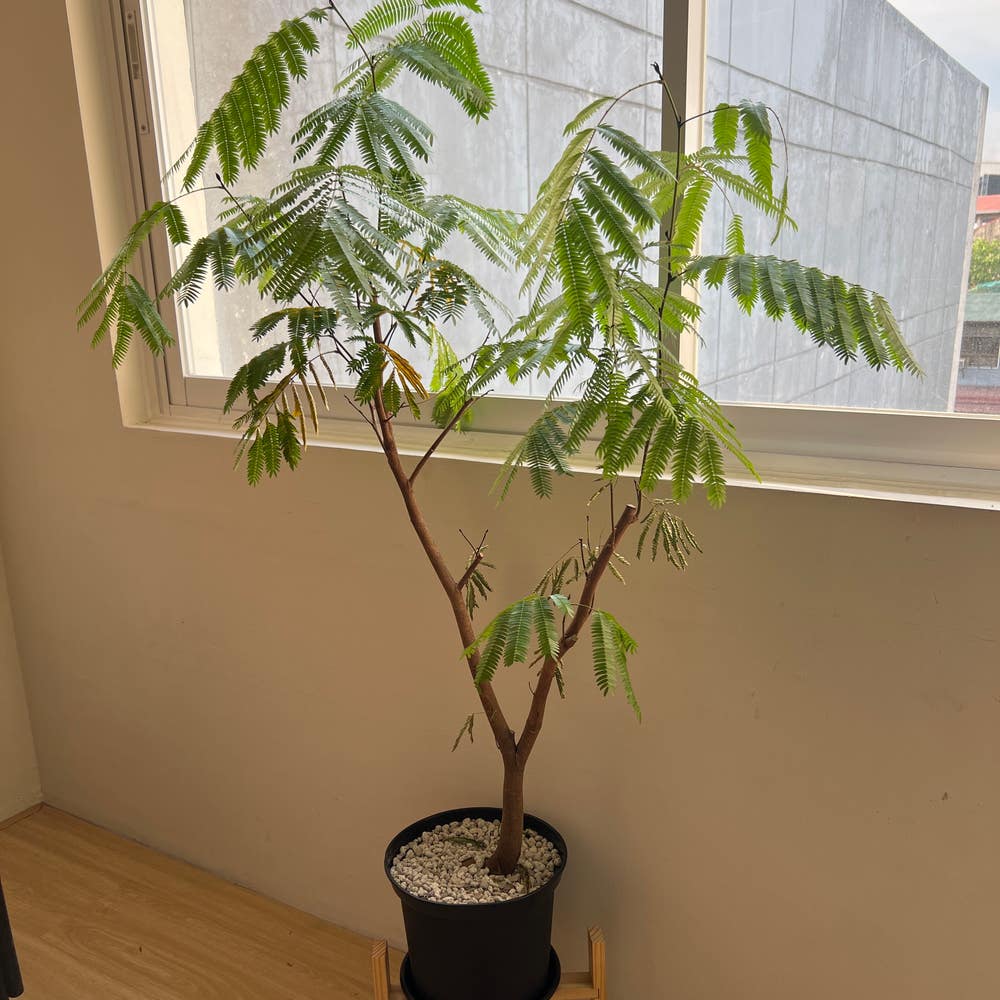
Managing Yellow Leaves on Your Acle
Albizia acle
By the Greg Editorial Team
Nov 08, 2024•8 min read
This article was created with the help of AI so we can cover more plants for you. May contain errors. See one? Report it here.
Revive your Acle's vibrancy by tackling the causes of yellow leaves today! 🌱
- 🌱 Yellow leaves indicate nutrient deficiencies, especially nitrogen and iron.
- 💧 Overwatering and underwatering stress your Acle, leading to yellowing leaves.
- ☀️ Bright, indirect sunlight is crucial; inadequate light causes yellowing and leggy growth.
Causes of Yellow Leaves
🌱 Nutrient Deficiencies
Nutrient deficiencies are a common culprit behind yellow leaves on your Acle.
Nitrogen Deficiency
When your Acle shows general yellowing of older leaves, it may be suffering from nitrogen deficiency. Nitrogen is vital for leaf growth and overall plant vigor, so addressing this issue is crucial.
Iron Deficiency
Iron deficiency manifests as yellowing between leaf veins, while the veins themselves remain green. This nutrient is essential for chlorophyll production, making it critical for your plant's health.
Other Nutrient Deficiencies
Deficiencies in potassium and magnesium can also lead to yellowing leaves. Recognizing these signs early can help maintain leaf health and promote robust growth.
💧 Watering Issues
Watering issues are another frequent cause of yellow leaves.
Overwatering
Overwatering can lead to yellowing leaves, wilting, and even root rot. This often results from poor drainage or watering too frequently.
Underwatering
On the flip side, underwatering can cause dry, crispy leaves, yellowing, and leaf drop. This typically occurs due to infrequent watering or dry soil conditions.
🕳️ Poor Soil Drainage
Well-draining soil is essential for the health of your Acle.
Signs of Poor Drainage
Look for signs like water pooling on the surface or a foul odor emanating from the soil. These indicators can severely impact root health and, consequently, leaf color.
☀️ Inadequate Light Exposure
Light exposure plays a significant role in your Acle's vitality.
Light Requirements
Acle thrives in bright, indirect sunlight. Insufficient light can lead to yellowing leaves and leggy growth, so adjusting light conditions is vital for optimal health.
🐜 Pest Infestations
Pest infestations can wreak havoc on your Acle's leaves.
Common Pests
Spider mites are notorious for causing webbing and stippled leaves, while aphids leave behind sticky residue and distorted growth. These pests can significantly impact leaf health and overall plant vigor.
Understanding these causes is the first step in managing yellow leaves on your Acle. By addressing nutrient deficiencies, watering issues, and environmental factors, you can help your plant thrive. Next, we’ll explore how to diagnose yellow leaves effectively.
Diagnosing Yellow Leaves
🌿 Identifying Symptoms of Nutrient Deficiencies
Recognizing nutrient deficiencies is crucial for maintaining the health of your Acle. For nitrogen deficiency, look for general yellowing of older leaves, while iron deficiency typically presents as yellowing between leaf veins, leaving the veins themselves green.
Understanding these visual cues helps you take timely action. Leaf color and texture are essential indicators; healthy leaves should be vibrant and firm, signaling that your plant is thriving.
💧 Assessing Watering Habits
Watering practices significantly impact your plant's health. Start by evaluating soil moisture levels; stick your finger into the soil about an inch deep to check for dampness.
Overwatering often leads to yellow leaves and root rot, while underwatering results in dry, crispy leaves. Knowing the signs of each can guide you in adjusting your watering routine effectively.
☀️ Evaluating Light Conditions
Light exposure plays a vital role in your Acle's well-being. Check how much light your plant receives daily; it thrives in bright, indirect sunlight.
If your Acle shows yellowing leaves or leggy growth, it may not be getting enough light. Adjusting its placement or using grow lights can help restore its vibrancy.
🐛 Checking for Pests and Diseases
Regular inspections for pests are essential to prevent damage. Look for common culprits like spider mites, which leave webbing and stippled leaves, or aphids, which create sticky residue and distorted growth.
Additionally, be vigilant for signs of fungal infections, as these can severely impact your plant's health. Early detection is key to effective treatment.
🌱 Analyzing Soil Quality and Drainage
Soil quality directly affects your Acle's health. Test the soil's drainage capabilities by observing how quickly water absorbs; poor drainage can lead to yellow leaves and root issues.
Pay attention to soil texture and composition as well. Well-draining soil is crucial for healthy roots, ensuring your Acle receives the nutrients it needs without waterlogging.
By diagnosing these issues early, you can take proactive steps to restore your Acle's health. Next, let's explore effective solutions for yellow leaves to keep your plant thriving.
Solutions for Yellow Leaves
🌊 Adjusting Watering Practices
Establishing a consistent watering schedule is crucial for your Acle's health. Aim to water when the top inch of soil feels dry, ensuring your plant receives adequate moisture without becoming waterlogged.
To check soil moisture effectively, use simple techniques like the finger test or a moisture meter. Insert your finger into the soil; if it feels dry, it's time to water.
🌱 Fertilizing with Appropriate Nutrients
Choosing the right fertilizers can make a significant difference in your Acle's vitality. Look for balanced fertilizers that contain nitrogen, phosphorus, and potassium to support overall growth.
Timing is key; fertilize during the growing season, typically spring and summer, and do so every 4-6 weeks for optimal results.
🕳️ Improving Soil Drainage
Enhancing soil drainage is essential for preventing yellow leaves. Consider adding perlite or sand to your soil mix to improve aeration and drainage capabilities.
If drainage issues persist, repotting your Acle in a well-draining pot can provide immediate relief. This simple step can help your plant thrive.
☀️ Modifying Light Exposure
Light exposure plays a vital role in your Acle's health. Ensure your plant receives bright, indirect sunlight for the best results.
If your Acle is not getting enough light, consider moving it to a brighter location or using grow lights to supplement natural light. This adjustment can help restore its vibrant green color.
🐛 Treating Pests and Diseases
Pest infestations can wreak havoc on your Acle, leading to yellowing leaves and overall decline. Regularly inspect your plant for common pests like spider mites and aphids.
For treatment, explore both organic and chemical options for pest control. Additionally, managing fungal diseases through proper care and treatment can help keep your Acle healthy and vibrant.
By implementing these solutions, you can effectively address yellow leaves and promote a thriving Acle. Next, let's explore how to prevent yellow leaves from becoming a recurring issue.
Preventing Yellow Leaves
Regular Monitoring of Plant Health 🌱
Routine checks are essential for spotting signs of stress in your Acle. Keeping a care journal can help you track changes and identify potential issues before they escalate.
Establishing a Consistent Care Routine 📅
Consistency is key when it comes to plant care. Establish daily, weekly, and monthly tasks for watering, feeding, and ensuring adequate light exposure.
Seasonal Adjustments in Care 🍂
As seasons change, so should your care practices. Adjust your watering and light exposure to match the environmental conditions, ensuring your Acle thrives year-round.
Using Quality Soil and Fertilizers 🌾
Investing in high-quality soil mixes can make a significant difference in plant health. Balanced fertilizers are crucial for providing the nutrients your Acle needs to flourish.
Implementing Pest Control Measures 🐞
Preventative measures are your best defense against common pests. Maintaining plant hygiene is vital to keeping your Acle healthy and free from infestations.
By adopting these preventive strategies, you can significantly reduce the likelihood of yellow leaves and promote a vibrant, healthy Acle. Next, let’s explore the best practices for long-term care to ensure your plant remains in top condition.
Long-term Care
Best Practices for Maintaining Healthy Leaves 🌿
Regular pruning and leaf cleaning are essential for keeping your Acle vibrant. This not only removes dead or yellowing leaves but also encourages new growth and improves air circulation.
Monitoring for early signs of stress is crucial. Look out for changes in leaf color or texture, as these can indicate underlying issues that need addressing.
Signs of Overall Plant Health 🌱
A thriving Acle plant exhibits several key indicators. Healthy leaves should be rich in color, firm to the touch, and free from spots or discoloration.
Additionally, a steady growth rate and overall vigor reflect a well-cared-for plant. If your Acle is flourishing, it’s a good sign that your care routine is on point.
When to Repot or Refresh Soil 🪴
Recognizing when to repot your Acle is vital for its long-term health. Signs that repotting is necessary include roots growing out of the drainage holes or the plant becoming top-heavy.
As a general rule, consider repotting every 1-2 years. This refreshes the soil and provides more room for growth, ensuring your Acle continues to thrive.
Seasonal Care Adjustments 🍂
Tailoring your care practices to the changing seasons can significantly impact your Acle's health. In winter, for example, reduce watering frequency as the plant's growth slows down.
Adapting to environmental changes is essential for optimal health. Keep an eye on temperature and humidity levels, adjusting your care routine accordingly to keep your Acle happy year-round.
With these long-term care strategies, you can ensure your Acle remains a stunning addition to your home. Next, let’s explore how to prevent yellow leaves from becoming a recurring issue.
⚠️ Safety First
This content is for general information and may contain errors, omissions, or outdated details. It is not medical, veterinary advice, or an endorsement of therapeutic claims.
Always consult a qualified healthcare professional before using any plant as food, medicine, or supplement.
Never eat any plant (or feed one to pets) without confirming its identity with at least two trusted sources.
If you suspect poisoning, call Poison Control (800) 222-1222, the Pet Poison Helpline (800) 213-6680, or your local emergency service immediately.
Spotted an error? Please report it here.
Transform your Acle's yellow leaves into lush green ones 🌿 by using Greg's customized care reminders to keep your plant thriving and vibrant!