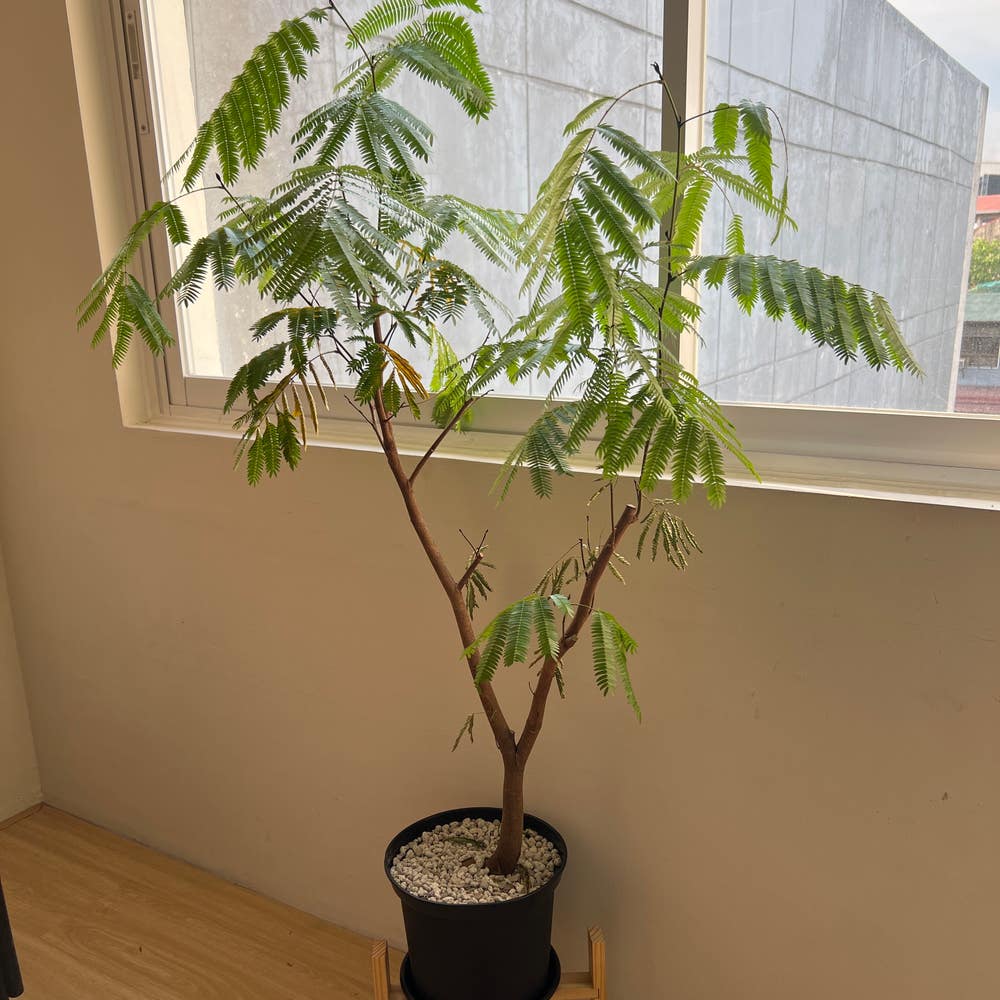
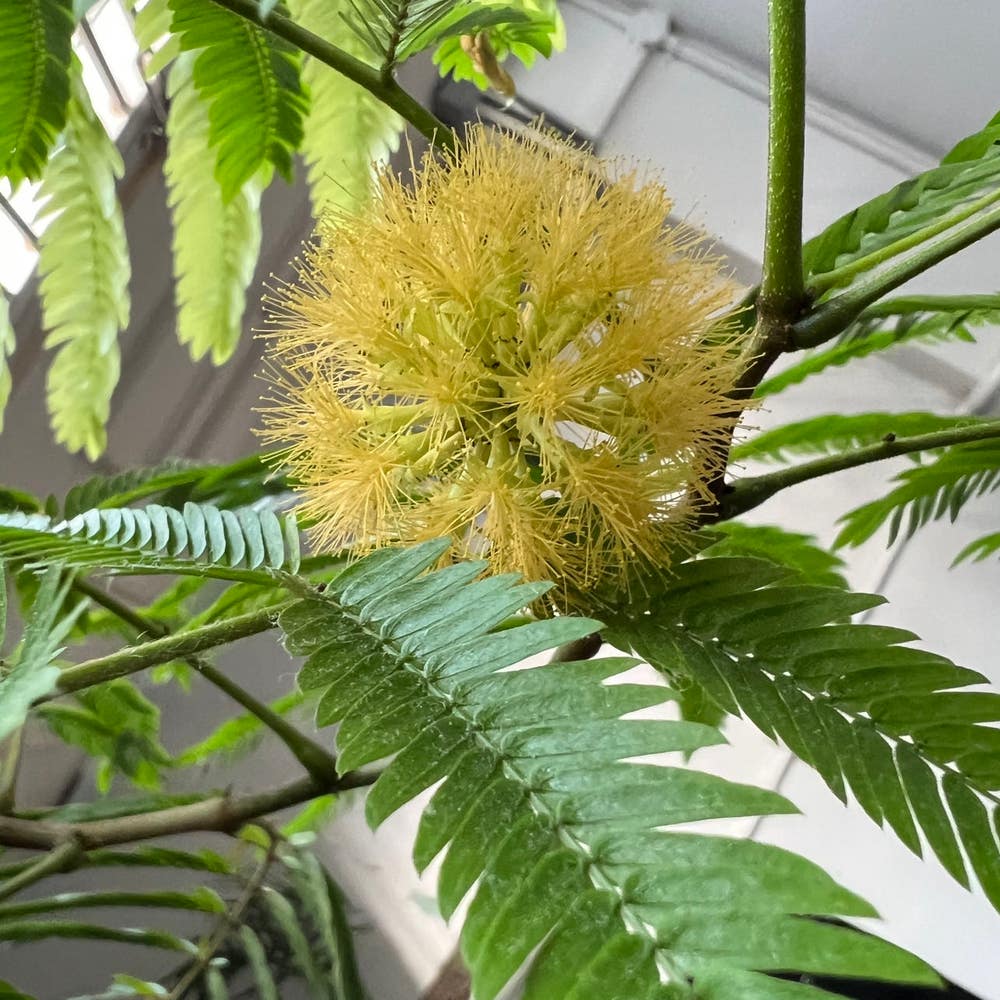
🍂 Best Tips for Dropping Leaves on Acle
Albizia acle
By the Greg Editorial Team
Nov 08, 2024•7 min read
This article was created with the help of AI so we can cover more plants for you. May contain errors. See one? Report it here.
Master the secrets to prevent leaf drop 🌱 and keep your Acle thriving with expert care tips and solutions!
- 🌱 Acle thrives in 60-80% humidity; monitor levels to prevent leaf drop.
- ☀️ Bright, indirect sunlight is best; avoid direct light to reduce stress.
- 💧 Water carefully: let top 1-2 inches dry out to prevent root rot.
Causes of Leaf Drop
🌬️ Environmental Stress Factors
Environmental conditions play a crucial role in the health of your Acle. These plants thrive in humidity levels between 60-80%, making them sensitive to fluctuations.
Light is another critical factor; Acle prefers bright, indirect sunlight. Too much direct sunlight can lead to stress and eventual leaf drop. Additionally, Acle does best in temperatures ranging from 20°C to 30°C (68°F to 86°F). Cold drafts can be detrimental, causing leaves to drop unexpectedly.
💧 Watering Issues
Overwatering
Overwatering is a common issue that can lead to serious problems for your Acle. Symptoms include yellowing leaves, wilting, and even root rot.
If the soil feels consistently soggy, it’s a clear sign of overwatering. To prevent this, allow the top 1-2 inches of soil to dry out before watering again.
Underwatering
On the flip side, underwatering can also cause distress. Symptoms of underwatering include wilting leaves, crispy edges, and ultimately, leaf drop.
If the soil feels dry, it’s time to water thoroughly, especially when the top inch of soil is dry.
🥦 Nutrient Deficiencies
Specific Nutrients
Nutrient deficiencies can significantly impact your Acle's health. A nitrogen deficiency often causes yellowing of older leaves, leading to eventual drop.
Potassium deficiency manifests as yellowing and browning at the edges of leaves. To combat these issues, consider using a balanced NPK fertilizer that includes essential micronutrients.
🐛 Pest Infestations
Common Pests Affecting Acle
Pests can wreak havoc on your Acle, leading to leaf drop. Spider mites are notorious for leaving webbing and stippled leaves as signs of their presence.
Aphids can also be problematic, causing curled leaves and sticky residue. Control methods include using neem oil, insecticidal soap, or introducing beneficial insects to your plant's environment.
🦠 Disease-Related Leaf Drop
Fungal Infections
Fungal infections can lead to serious leaf drop issues. Symptoms include brown spots, wilting, and eventual leaf loss.
To prevent fungal infections, ensure good air circulation around your Acle and avoid overhead watering, which can create a damp environment conducive to fungi.
Bacterial Infections
Bacterial infections can also be a culprit in leaf drop. Symptoms often include water-soaked spots and rapid leaf drop.
To manage bacterial issues, promptly remove affected leaves and avoid wetting the foliage during watering.
Understanding these causes of leaf drop is essential for maintaining a healthy Acle. By addressing environmental stress factors, watering issues, nutrient deficiencies, pest infestations, and diseases, you can keep your plant thriving. Next, we’ll explore how to diagnose leaf drop effectively.
Diagnosing Leaf Drop
Identifying Symptoms 🌿
Leaf yellowing is often the first sign that something's off. This can indicate nutrient deficiencies or watering issues that need immediate attention.
Leaf wilting is another critical symptom to watch for. It can suggest either overwatering or underwatering, both of which can lead to serious problems if not addressed.
Assessing Environmental Conditions 🌤️
Light is essential for plant health. Check if your Acle is receiving adequate indirect sunlight, as too much or too little can stress the plant.
Humidity plays a significant role in leaf health. Measure humidity levels using a hygrometer to ensure they fall within the ideal range for your Acle.
Temperature stability is crucial as well. Ensure your plant is in a consistent temperature range to avoid unnecessary stress.
Evaluating Watering Practices 💧
Frequency of watering is a key factor in diagnosing leaf drop. Assess how often you water your Acle to determine if adjustments are needed.
The method of watering matters too. Check if water is effectively reaching the root zone, as improper watering can lead to various issues.
Checking for Pests and Diseases 🐛
A visual inspection is vital for identifying pests. Look closely at the leaves and stems for any signs of infestation.
Fungal and bacterial signs can also indicate underlying problems. Check for discoloration or unusual spots that could signal a more serious issue.
By carefully diagnosing these symptoms and conditions, you can take proactive steps to restore your Acle's health. Next, we'll explore effective strategies for preventing leaf drop and ensuring your plant thrives.
Preventing Leaf Drop
🌊 Optimal Watering Techniques
Watering your Acle correctly is crucial for preventing leaf drop. Stick to a schedule where you water only when the top inch of soil feels dry.
Using a moisture meter can help you gauge soil moisture accurately. This tool ensures you're not over or under-watering, keeping your plant happy and healthy.
🌱 Ideal Soil Composition and Drainage
The right soil mix is vital for your Acle's well-being. A well-draining potting mix that includes perlite or sand is recommended to promote healthy root growth.
Additionally, always choose pots with drainage holes. This prevents waterlogging, which can lead to root rot and subsequent leaf drop.
🥦 Nutrient Management
Fertilization Schedule
Nutrient management is another key aspect of leaf drop prevention. Fertilize your Acle every 4-6 weeks during the growing season to provide essential nutrients.
Opt for a balanced fertilizer that contains nitrogen and potassium. This will support robust growth and help maintain vibrant foliage.
🐞 Pest Prevention Strategies
Regular inspections are essential for catching pests early. Check your Acle bi-weekly for any signs of infestation.
If you spot any pests, preventive treatments like neem oil or insecticidal soap can be effective. These measures help keep your plant safe and thriving.
🌤️ Environmental Adjustments
Light and Humidity Control
Proper light and humidity levels are critical for your Acle's health. Position your plant in a spot that receives bright, indirect light to avoid stress.
To maintain humidity, consider using a humidifier or pebble trays. These solutions create a more favorable environment, reducing the risk of leaf drop.
By implementing these preventive measures, you can help ensure your Acle remains vibrant and healthy. Next, let’s explore how to treat leaf drop effectively when it occurs.
Treating Leaf Drop
🌱 Step-by-Step Guide to Recovery
- Identify the cause of leaf drop. Understanding whether it's due to watering issues, pests, or environmental stress is crucial.
- Adjust watering practices based on diagnosis. If overwatering is the issue, reduce frequency; if underwatering, increase it.
- Treat any identified pests or diseases. Use appropriate methods to eliminate pests or treat infections.
🔍 Adjusting Care Practices Based on Diagnosis
- Modify light exposure. If your Acle is getting too much direct sunlight, move it to a spot with bright, indirect light.
- Change watering frequency. Monitor soil moisture closely and adjust your watering schedule accordingly.
🦠 Recommended Treatments for Pests and Diseases
- For spider mites: Increase humidity around the plant and apply miticides to control the infestation.
- For fungal infections: Use fungicides and ensure good air circulation to prevent further issues.
🌿 Rehabilitating Stressed Plants
Repotting
- When to repot: If your plant is root-bound or the soil has degraded, it’s time for a change.
- Steps: Gently remove the plant from its pot, trim any damaged roots, and place it in fresh, well-draining soil.
Pruning
- Timing: Prune dead or damaged leaves to encourage new growth and improve overall health.
- Tools: Always use clean, sharp scissors to avoid introducing infections.
By following these steps, you can help your Acle recover from leaf drop and thrive once again. Transitioning to the next section, let's explore seasonal considerations that can impact your plant's health.
Seasonal Considerations
🌱 Seasonal Changes Affecting Leaf Drop
Seasonal shifts can significantly impact your Acle's health. During winter dormancy, reduced light and humidity can stress the plant, leading to leaf drop.
In summer, increased temperatures may require more frequent watering to keep your Acle thriving. Staying attuned to these seasonal changes is crucial for maintaining your plant's vitality.
🌦️ Adjusting Care Routines with the Seasons
In winter, it's wise to reduce your watering frequency. Monitor for drafts that can chill your plant and exacerbate stress.
Conversely, summer calls for increased humidity and consistent watering. Your Acle will appreciate the extra attention during the hotter months.
❄️ Preparing for Seasonal Stressors
Temperature changes can be a real challenge for your Acle. Moving it indoors during cold snaps can protect it from harsh conditions.
Additionally, consider increasing humidity levels during dry winter months. This simple adjustment can make a world of difference in keeping your plant healthy and vibrant.
By understanding these seasonal considerations, you can better prepare your Acle for the challenges each season brings. This proactive approach will help ensure your plant remains lush and lively throughout the year.
⚠️ Safety First
This content is for general information and may contain errors, omissions, or outdated details. It is not medical, veterinary advice, or an endorsement of therapeutic claims.
Always consult a qualified healthcare professional before using any plant as food, medicine, or supplement.
Never eat any plant (or feed one to pets) without confirming its identity with at least two trusted sources.
If you suspect poisoning, call Poison Control (800) 222-1222, the Pet Poison Helpline (800) 213-6680, or your local emergency service immediately.
Spotted an error? Please report it here.
Keep your Acle leafy and lush 🍃 by using Greg's tailored care reminders and moisture monitoring to master the perfect environment for your plant!