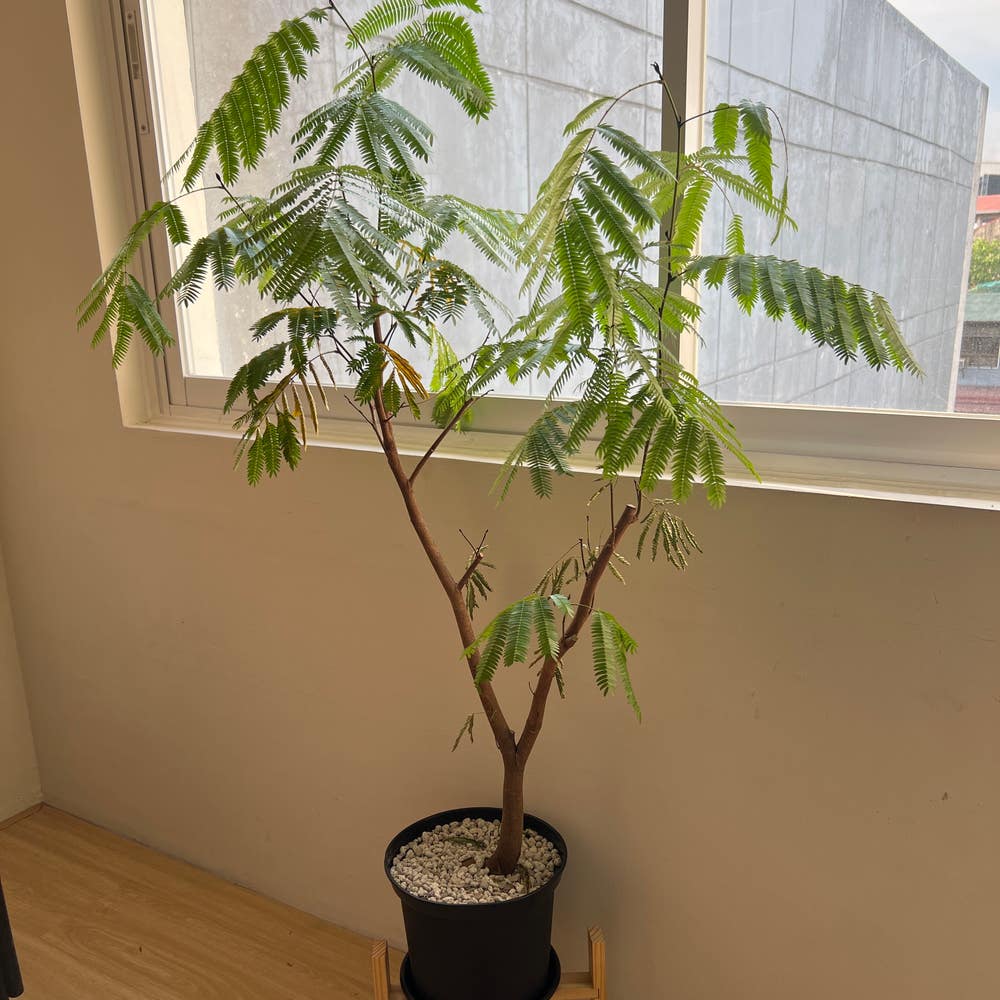
🌱 Ultimate Guide to Acle Roots
Albizia acle
By the Greg Editorial Team
Nov 08, 2024•6 min read
This article was created with the help of AI so we can cover more plants for you. May contain errors. See one? Report it here.
Master Acle's unique root system for thriving plants and a flourishing garden! 🌱🌿
- 🌱 Acle roots penetrate deep, ensuring stability and access to moisture even in drought.
- 💧 Balance watering to prevent root rot; deep watering promotes healthy growth.
- 🌿 Healthy roots are vital for propagation; check for firmness and color regularly.
Root Type and Characteristics
🌱 Description of Root Type
Acle plants feature a taproot system, characterized by a single, dominant root that delves deep into the soil. This root structure not only provides stability but also grants access to moisture reserves that are otherwise unreachable.
📏 Specific Characteristics
Root Structure
The root structure of Acle is impressive. These roots can penetrate several feet into the ground, ensuring they reach vital nutrients and water.
Lateral roots extend outward, enhancing both nutrient uptake and the plant's overall stability. This combination allows Acle to thrive in various conditions.
💪 Resilience
One of the standout features of Acle's root system is its resilience. The deep roots enable the plant to adapt to drought conditions, allowing it to survive when surface moisture is scarce.
Understanding these characteristics is crucial for anyone looking to cultivate Acle successfully. With a solid grasp of its root type and structure, you can better support its growth and health.
Next, we will explore the depth, spread, and growth patterns of Acle roots, providing further insights into their development and behavior.
Depth, Spread, and Growth Patterns
🌱 Typical Depth and Spread
The Acle root system is impressive, with an average depth reaching 2 to 3 feet, depending on soil conditions. This deep penetration allows the plant to access vital moisture and nutrients.
Lateral roots play a crucial role as well, extending 1 to 2 feet from the base of the plant. This spread enhances stability and nutrient uptake, making Acle resilient in various environments.
📈 Growth Patterns
Acle exhibits distinct seasonal growth patterns. During spring and summer, the plant thrives, actively growing and expanding its root system.
As fall and winter approach, Acle enters a period of dormancy. Interestingly, during dry spells, the roots respond by growing deeper, seeking out moisture to sustain the plant through challenging conditions.
Understanding these growth patterns is essential for effective care and maintenance of Acle. This knowledge helps ensure that the plant remains healthy and robust, ready to flourish in its environment.
Watering, Fertilizing, and Transplanting
🌱 How Root System Affects Watering Needs
Watering Acle roots effectively is crucial for their development. Deep watering encourages roots to grow deeper into the soil, enhancing stability and moisture access.
Avoid overwatering, as this can lead to root rot. It's all about finding that sweet spot where the roots thrive without drowning.
🌿 Fertilization Techniques
Using the right fertilizer can make a significant difference in Acle's growth. A balanced fertilizer during the growing season provides essential nutrients.
Apply fertilizers directly at the base of the plant. This targets the roots and ensures they receive the nutrients they need to flourish.
🌍 Best Practices for Transplanting
Transplanting Acle requires careful timing and technique. Aim to transplant in early spring or fall for the best recovery results.
Minimize root disturbance by keeping the root ball intact during the process. After transplanting, water thoroughly to help the plant adjust and reduce shock.
Understanding these watering, fertilizing, and transplanting techniques will set you up for success. With the right care, your Acle will thrive and grow strong roots, ready to face any challenges ahead.
Common Root-Related Issues
Identifying Root Health Problems 🌱
Recognizing when your Acle roots are in distress is crucial for maintaining plant health. Common signs include wilting, even when the soil is adequately moist, and yellowing leaves accompanied by stunted growth.
These symptoms often indicate underlying root issues that need immediate attention. If you notice these signs, it’s time to investigate further.
Solutions for Common Issues 🛠️
Preventing root rot is essential for keeping your Acle thriving. Ensure your plant is in well-draining soil and avoid overwatering, which can suffocate the roots.
If you do encounter root rot, act quickly. Remove any affected roots and repot the plant in fresh, dry soil to promote recovery and healthy growth.
By staying vigilant and addressing these common root-related issues, you can help your Acle flourish and thrive in its environment. Next, we’ll explore how to differentiate between healthy and unhealthy roots, ensuring your plant remains robust and vibrant.
Healthy vs Unhealthy Roots
👀 Visual Cues for Healthy Roots
Healthy roots are the backbone of a thriving plant. Look for firm, white roots; they indicate vitality and good health.
Another positive sign is the absence of foul odors. A fresh, earthy smell means your roots are in great shape and ready to support growth.
⚠️ Indicators of Unhealthy Roots
On the flip side, unhealthy roots can spell trouble. Brown, mushy roots are a clear sign of rot, indicating that your plant may be in distress.
Additionally, if you detect a foul smell, it’s a strong indicator of decay. Addressing these issues promptly can save your plant from further decline.
Understanding these visual cues is essential for maintaining the health of your Acle. Healthy roots not only support growth but also enhance resilience against environmental stressors.
Next, we’ll explore rootbound plants and how to recognize and address this common issue.
Rootbound Plants
Definition and Recognition 🌱
Rootbound plants are those whose roots have outgrown their pots, causing them to grow in circles. This circular growth limits the plant's ability to absorb nutrients and water, stunting its overall growth.
Signs of Rootbound Plants 👀
You can easily spot a rootbound plant by looking for roots emerging from drainage holes or circling the surface of the soil. If your plant seems to be struggling despite proper care, it might be time to investigate its root situation.
When and How to Address Rootbound Issues 🛠️
Timing for Intervention
It's wise to check your plants annually for rootbound conditions. If you notice signs of being rootbound, repotting is essential.
Solutions for Rootbound Plants 🌿
To remedy this issue, repot the plant into a larger container filled with fresh soil. Additionally, pruning the circling roots can encourage new growth and help the plant thrive.
By addressing rootbound issues promptly, you can ensure your Acle continues to flourish and reach its full potential. Next, let's explore the importance of healthy roots in propagation and division.
Propagation and Division
Importance of Root Health 🌱
Healthy roots are the backbone of successful propagation and division. They ensure that new plants establish quickly and thrive, setting the stage for robust growth.
Techniques for Dividing Acle ✂️
Dividing Acle can be a rewarding process, and following the right techniques makes all the difference. Here’s a straightforward step-by-step guide to help you through it:
Water the plant thoroughly a day before division. This helps to hydrate the roots and makes the process smoother.
Carefully remove the plant from its pot. Gently loosen the soil around the edges to avoid damaging the roots.
Gently separate the roots into sections. Ensure each section has healthy roots attached, as this is crucial for their survival.
Replant immediately in suitable soil. Water well after replanting to help settle the soil and reduce transplant shock.
By following these steps, you can successfully propagate Acle and enjoy the satisfaction of nurturing new plants. Healthy roots lead to healthy plants, so take care of them, and they will reward you with vibrant growth.
As you dive into propagation, remember that understanding root health is key to thriving plants. This knowledge will serve you well as you explore the world of Acle care.
⚠️ Safety First
This content is for general information and may contain errors, omissions, or outdated details. It is not medical, veterinary advice, or an endorsement of therapeutic claims.
Always consult a qualified healthcare professional before using any plant as food, medicine, or supplement.
Never eat any plant (or feed one to pets) without confirming its identity with at least two trusted sources.
If you suspect poisoning, call Poison Control (800) 222-1222, the Pet Poison Helpline (800) 213-6680, or your local emergency service immediately.
Spotted an error? Please report it here.
Unlock the secret to thriving Acle roots 🌱 with Greg's tailored watering and fertilization reminders, ensuring your plants reach their full potential!