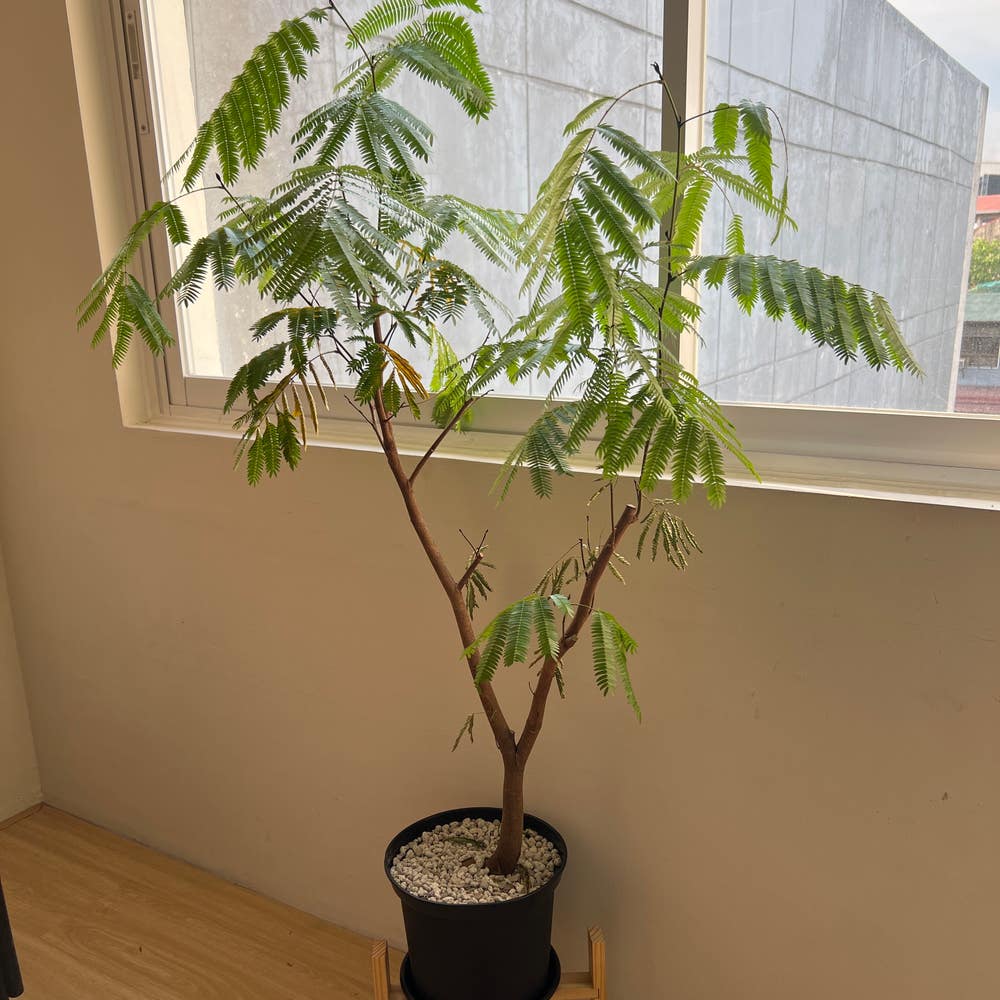
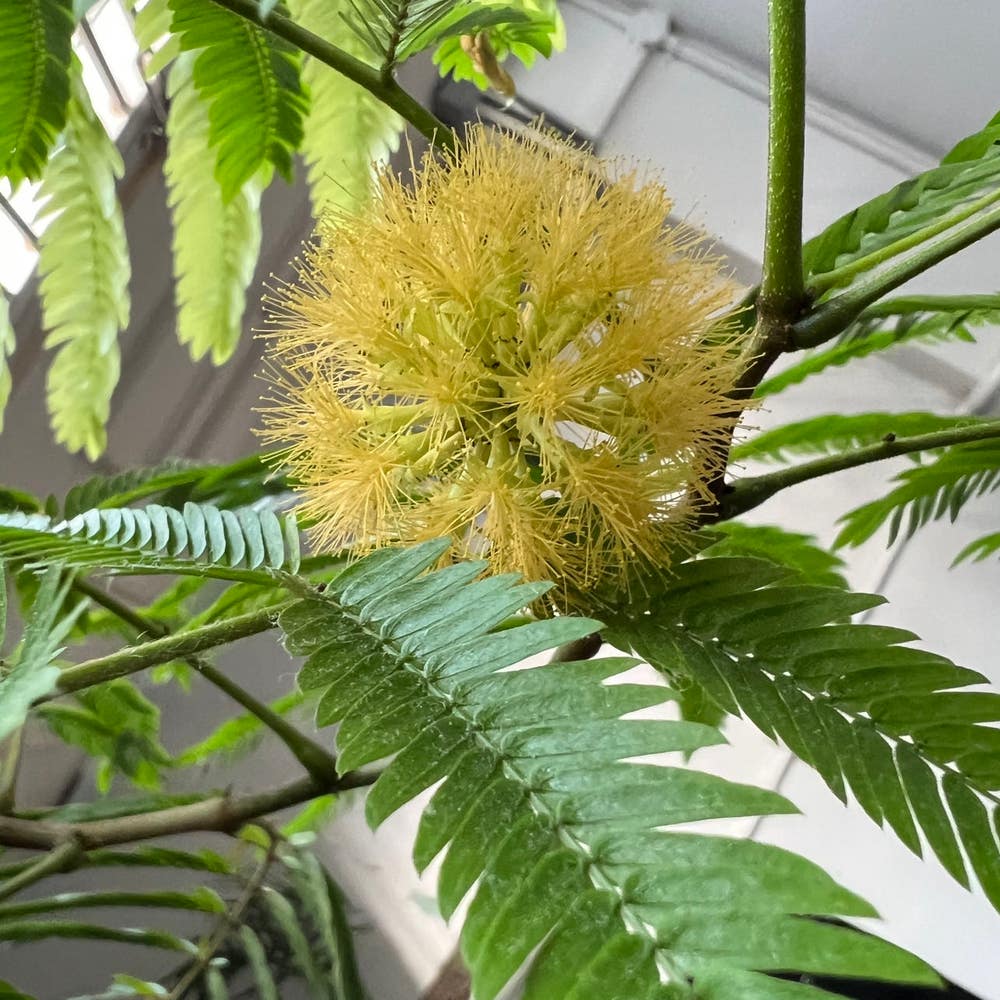
💧 How to Determine When Your Acle Needs Water
Albizia acle
By the Greg Editorial Team
Nov 08, 2024•6 min read
This article was created with the help of AI so we can cover more plants for you. May contain errors. See one? Report it here.
Unlock vibrant plant health year-round by mastering your watering routine! 🌱💧
- 💧 Proper watering prevents stress and promotes healthy growth in your Acle.
- 🌡️ Adjust watering frequency based on weather; hot days need more water!
- 📏 Use moisture meters or finger tests to accurately determine when to water.
Importance of Proper Watering
🌊 Impact on Plant Health
Proper watering is crucial for your plant's health. It ensures optimal growth and prevents stress, allowing your plant to thrive.
Over-watering can be just as harmful as under-watering. While too much water leads to root rot, not enough can cause leaf droop and stunted growth, leaving your plant looking sad and unhealthy.
Understanding the balance is key. By mastering your watering routine, you set the stage for a vibrant, flourishing plant that brings joy to your space.
Next, let’s explore how often you should water your plants based on various conditions.
How Often to Water Based on Conditions
💧 General Watering Guidelines
Watering your plants is a balancing act. Generally, you should water every 1-2 weeks, but this can vary based on environmental conditions.
Several factors influence how often you need to water:
- Temperature: Hotter days mean your plants may need more frequent hydration.
- Humidity: Higher humidity levels can reduce the need for watering, as moisture lingers longer in the soil.
🌦️ Seasonal Adjustments
As the seasons change, so should your watering routine.
- Summer: Expect to water more often, about every 5-7 days, due to increased evaporation rates from the heat.
- Winter: With growth slowing down, you can cut back to watering every 2-3 weeks, allowing the soil to dry out more between sessions.
Understanding these guidelines will help you keep your plants thriving throughout the year. By adjusting your watering schedule based on conditions, you can ensure your plants receive the right amount of moisture they need to flourish.
Next, let’s explore how to recognize when your plants are thirsty or overwatered.
Recognizing Water Needs
Understanding when your plant needs water is crucial for its health. Both under-watering and over-watering can lead to serious issues, so being able to recognize the signs is key.
🚰 Signs of Under-Watering
One of the most noticeable signs of under-watering is leaf drooping. If your plant's leaves are hanging down, it’s a clear cry for help.
Another indicator is dry soil. When the soil pulls away from the edges of the pot, it’s time to give your plant a drink.
🌊 Signs of Over-Watering
On the flip side, yellowing leaves often signal over-watering. This can indicate root rot, which is a serious condition that can threaten your plant's survival.
Additionally, if you notice mold or fungus on the soil surface, it suggests excessive moisture. This is a red flag that your plant may be drowning.
Recognizing these signs will help you maintain a healthy watering routine. Next, we'll explore effective watering techniques to ensure your plant thrives.
Watering Techniques
🌊 Bottom-Watering Method
Bottom-watering is a simple yet effective technique that allows your plant to absorb moisture from the bottom of the pot. This method helps prevent over-watering by ensuring that the plant takes in only what it needs through the drainage holes.
Steps for Bottom-Watering
- Fill a tray with water. Choose a tray that can hold enough water to submerge the bottom of the pot.
- Place the pot in the tray. Let it soak for 15-30 minutes, allowing the soil to draw up moisture.
- Remove the pot. After soaking, take the pot out and let any excess water drain away.
💧 Using Self-Watering Pots
Self-watering pots are a fantastic option for busy plant owners. They provide consistent moisture, reducing the risk of both under-watering and over-watering.
Benefits of Self-Watering Pots
- Consistent Moisture: These pots maintain a steady supply of water, which is ideal for plants that thrive on regular hydration.
- Reduced Risk of Over-Watering: With a built-in reservoir, self-watering pots help prevent soggy soil conditions.
Considerations for Self-Watering Pots
Make sure the pot has a proper drainage system. This ensures that excess water can escape, preventing root rot and promoting healthy growth.
By mastering these watering techniques, you can significantly enhance your plant care routine. Next, let’s explore how to measure soil moisture effectively to ensure your plants are getting just the right amount of water.
Measuring Soil Moisture
🛠️ Tools for Measuring
Understanding when to water your plants starts with knowing the moisture level in the soil.
A moisture meter is a fantastic tool that provides accurate readings, making it easy to determine if your plant needs a drink.
Alternatively, you can use the finger test: simply insert your finger into the soil up to 2 inches. If it feels dry, it’s time to water!
📋 Step-by-Step Guide
Measuring soil moisture can be straightforward.
- Start by using a moisture meter or performing the finger test.
- Assess the moisture level:
- If the soil is dry, water the plant thoroughly.
- If it’s moist, wait a few days before checking again.
- If it’s wet, hold off on watering until the soil dries out.
By regularly checking the moisture levels, you can ensure your plants receive the right amount of water, promoting healthy growth and preventing stress.
With these simple tools and steps, you’ll be well on your way to mastering your plant care routine!
Next, let’s explore how to create a personalized watering schedule that fits your plant’s needs.
Creating a Watering Schedule
Establishing a Routine 🌱
Creating a personalized watering schedule is essential for keeping your plants healthy. Start by assessing your environmental conditions and the specific needs of your plants.
Consider factors like temperature and humidity, as these can significantly impact how often you need to water. For instance, during hotter months, you may need to increase your watering frequency.
Seasonal Adjustments 🌦️
Don’t forget to adjust your schedule with the changing seasons. In summer, your plants might require watering every 5-7 days due to higher evaporation rates, while in winter, you can reduce this to every 2-3 weeks as growth slows down.
Using the Greg Plant Care App 📱
To simplify your watering routine, consider using the Greg Plant Care App. This handy tool allows you to set reminders based on your established schedule.
You can also track moisture levels and receive alerts when it’s time to water. This way, you’ll never have to guess when your plants need a drink again, ensuring they thrive all year round.
With a solid watering schedule in place, you can confidently nurture your plants and watch them flourish. Next, let’s explore effective watering techniques to further enhance your plant care routine.
⚠️ Safety First
This content is for general information and may contain errors, omissions, or outdated details. It is not medical, veterinary advice, or an endorsement of therapeutic claims.
Always consult a qualified healthcare professional before using any plant as food, medicine, or supplement.
Never eat any plant (or feed one to pets) without confirming its identity with at least two trusted sources.
If you suspect poisoning, call Poison Control (800) 222-1222, the Pet Poison Helpline (800) 213-6680, or your local emergency service immediately.
Spotted an error? Please report it here.
Keep your Acle thriving 🌱 by using Greg's personalized watering reminders and moisture tracking to master your plant care routine!