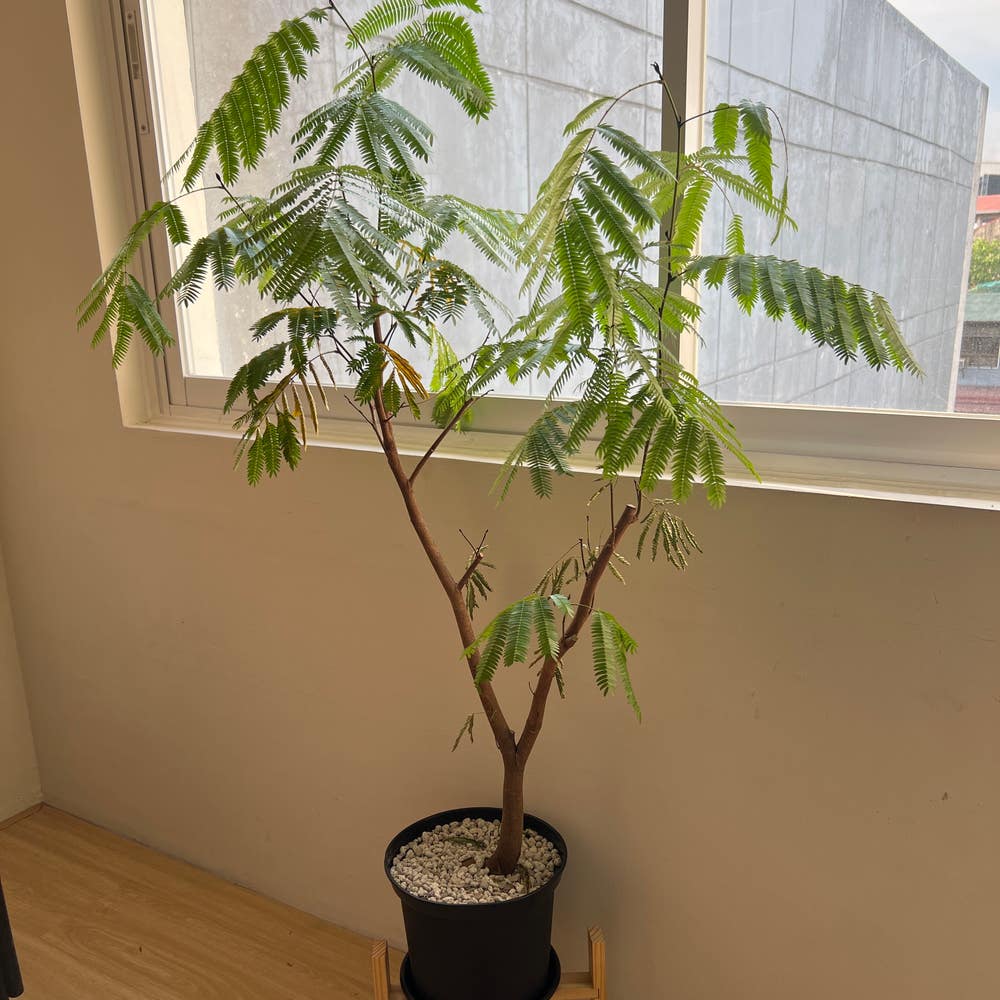
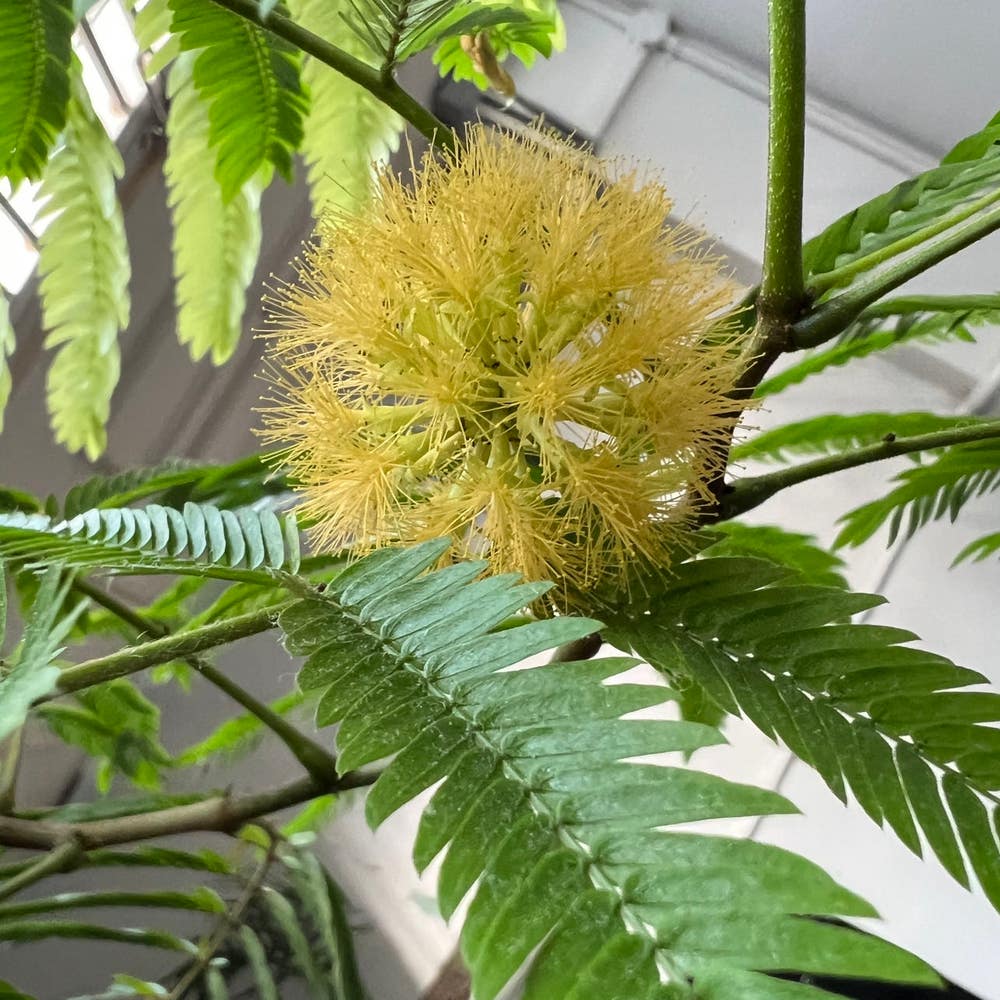
💧 Acle Wilting: Causes and Solutions
Albizia acle
By the Greg Editorial Team
Nov 08, 2024•6 min read
This article was created with the help of AI so we can cover more plants for you. May contain errors. See one? Report it here.
Transform your wilting Acle into a thriving beauty 🌿 with essential tips for diagnosis and care!
- 💧🌡️ Wilting in Acle plants stems from water stress, heat stress, or environmental changes.
- 🌱 Check soil moisture and leaves to diagnose wilting causes effectively.
- 🌬️ Maintain stable conditions and a consistent care routine to prevent future wilting.
Common Causes of Wilting Leaves
💧 Water Stress
Water stress occurs when a plant receives either too little or too much water. This imbalance can lead to dehydration or root rot, both of which are detrimental to the health of your Acle.
Symptoms of water stress include drooping leaves, dry soil, or overly saturated soil. Recognizing these signs early can help you take corrective action before the plant suffers too much.
🌡️ Heat Stress
Heat stress is another common culprit behind wilting leaves. When exposed to high temperatures, plants can lose turgor pressure, which is essential for maintaining leaf structure.
You might notice crispy leaf edges, yellowing, and wilting during the hottest parts of the day. These symptoms indicate that your Acle is struggling to cope with the heat.
🌿 Environmental Sensitivity
Acle plants thrive in specific moisture and light conditions, reflective of their native habitats. Sudden changes in these conditions can lead to wilting, as the plant may not adapt quickly enough.
Rapid fluctuations in humidity or temperature can be particularly harmful. Keeping your Acle in a stable environment is crucial for its well-being and longevity.
Diagnosing Wilting
📝 Step-by-Step Guide
Diagnosing wilting in your Acle requires a systematic approach. Start by assessing the soil moisture; check if it's too dry or overly wet.
Next, evaluate the environmental conditions. Measure the temperature and humidity levels to ensure they align with your plant's needs.
Inspect the leaves for any signs of pests or disease. Look closely for discoloration or unusual spots that could indicate a problem.
Finally, check the root health. Gently remove the plant from its pot to inspect the roots for any signs of rot or damage.
👀 Signs to Look for
Pay attention to the leaf texture. Soft, limp leaves typically indicate water stress, while crispy edges suggest heat stress.
Soil condition is another key indicator. Look for dry, cracked soil or soggy, waterlogged soil, both of which can lead to wilting.
By carefully following these steps and observing these signs, you can effectively diagnose the cause of wilting in your Acle. This understanding will guide you toward the right solutions to revive your plant and keep it thriving.
Next, let’s explore practical solutions for addressing wilting in your Acle.
Solutions for Wilting
💧 Addressing Water Stress
Water stress is a common issue for Acle plants, but it can be easily managed. Start by adjusting your watering schedule; aim to water when the top inch of soil feels dry to the touch.
Another effective method is bottom watering. This technique allows the plant to absorb moisture from below, promoting healthier root growth and preventing overwatering.
🌡️ Solutions for Heat Stress
Heat stress can be detrimental to your Acle, especially during peak summer months. To combat this, consider relocating your plant to a cooler area, such as a shaded spot, during the hottest parts of the day.
Additionally, increasing humidity around the plant can help. You can achieve this by using a humidity tray or misting the leaves regularly, which will create a more favorable environment.
🦠 Addressing Disease-Related Wilting
If you suspect that disease is causing your Acle to wilt, it's crucial to act quickly. Start by removing any affected leaves to prevent the spread of infection.
Next, treat the plant with appropriate fungicides if necessary. Ensuring proper air circulation around the plant can also help mitigate disease risks and promote recovery.
By addressing these common causes of wilting, you can help your Acle thrive and prevent future issues. Now, let’s explore some preventive measures to keep your plant healthy and vibrant.
Preventive Measures
Tips to Minimize Future Wilting Episodes 🌱
To keep your Acle thriving, regular monitoring is key. Check the soil moisture and environmental conditions frequently to catch any issues early.
Establishing a consistent care routine can make a world of difference. Create a watering and feeding schedule that suits your plant's needs and stick to it.
Environmental Adjustments 🌍
Choosing the right placement for your Acle is crucial. Opt for a location with stable temperature and humidity to help prevent wilting.
Consider using humidity trays to maintain moisture levels around the plant. This simple adjustment can create a more favorable environment, reducing stress on your Acle.
By implementing these preventive measures, you can significantly reduce the chances of wilting and ensure your plant remains healthy and vibrant. Next, let’s explore how to revive a wilted Acle effectively.
Reviving a Wilted Acle
🌊 Techniques for Bottom Watering
Bottom watering is a simple yet effective method to revive your Acle.
- Fill a basin with water. Ensure the basin is deep enough to submerge the pot's base.
- Place the pot in the basin and allow it to soak for 30 minutes. This allows the roots to absorb moisture directly.
- Remove and let excess water drain. This prevents over-saturation and promotes healthy root growth.
🌍 Relocating for Optimal Conditions
Sometimes, a change of scenery can work wonders for your Acle.
- Identify a more suitable environment. Look for a spot with stable light and temperature conditions.
- Gradually acclimate the plant. Move it slowly to avoid shocking its system, which can lead to further wilting.
✂️ Pruning Damaged Leaves
Pruning can help your Acle focus its energy on new growth.
- Use clean, sharp scissors to remove wilted or damaged leaves. This prevents any potential disease spread.
- Cut at the base of the leaf stem. This encourages fresh growth and revitalizes the plant.
Reviving a wilted Acle requires a combination of proper watering techniques, environmental adjustments, and careful pruning. With these strategies, your plant can bounce back and thrive once again. Next, let’s explore when it’s time to seek help for your Acle.
When to Seek Help
🚨 Signs Indicating the Need for Expert Assistance
If your Acle continues to wilt despite your best care efforts, it may be time to seek help. Persistent wilting can indicate underlying issues that require professional intervention.
Additionally, if you notice pests or disease symptoms that are hard to identify, don’t hesitate to reach out for assistance. Early detection can save your plant from further decline.
🛠️ Resources for Assistance
Local nurseries are a great first stop for expert advice. The staff can provide tailored recommendations based on your specific situation.
Online plant care communities also offer valuable support. Engaging with fellow plant enthusiasts can lead to helpful tips and shared experiences that might just turn your Acle's fate around.
By knowing when to seek help, you can ensure your Acle receives the best care possible, leading to a healthier, happier plant.
⚠️ Safety First
This content is for general information and may contain errors, omissions, or outdated details. It is not medical, veterinary advice, or an endorsement of therapeutic claims.
Always consult a qualified healthcare professional before using any plant as food, medicine, or supplement.
Never eat any plant (or feed one to pets) without confirming its identity with at least two trusted sources.
If you suspect poisoning, call Poison Control (800) 222-1222, the Pet Poison Helpline (800) 213-6680, or your local emergency service immediately.
Spotted an error? Please report it here.
Revive your wilting Acle and boost its health 🌱 with Greg's tailored watering plans and reminders that keep your plant thriving in perfect conditions!