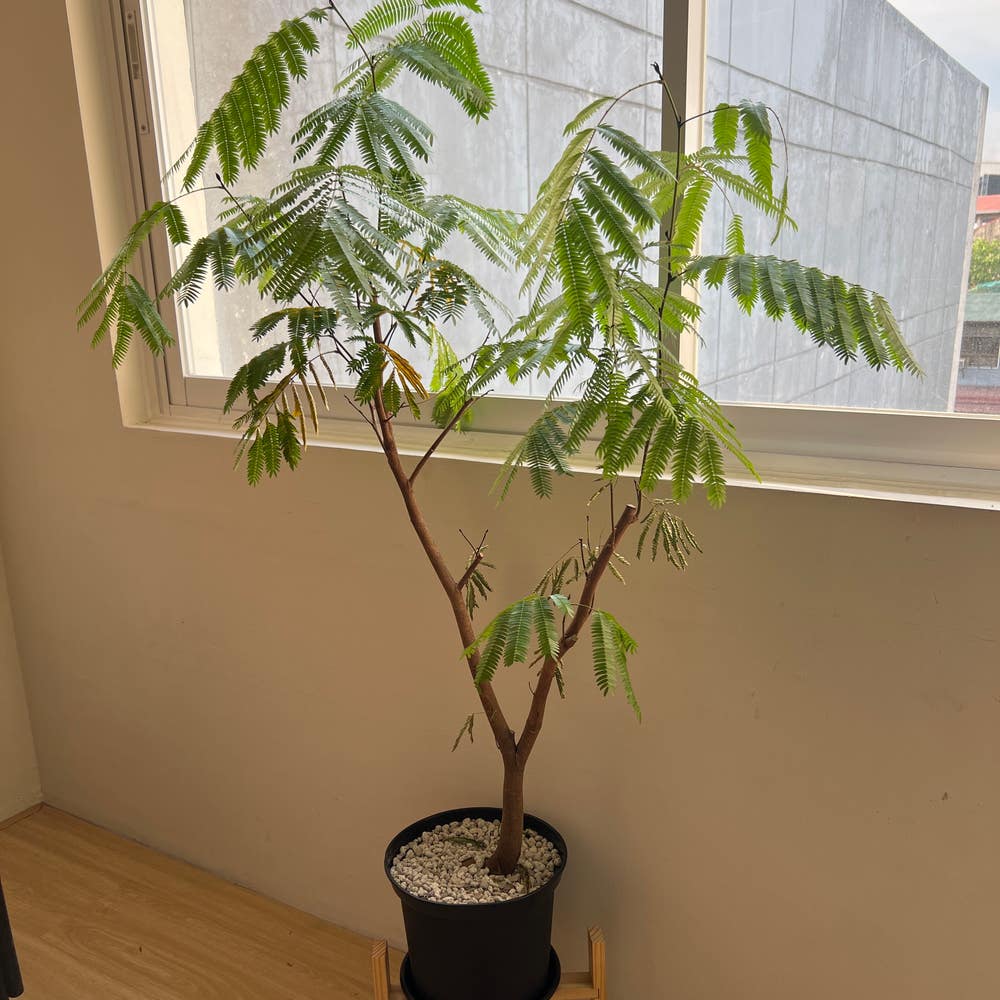
Ultimate Guide to Fixing Curling Leaves on Acle
Albizia acle
By the Greg Editorial Team
Nov 08, 2024•4 min read
This article was created with the help of AI so we can cover more plants for you. May contain errors. See one? Report it here.
Revive your Acle's vitality by mastering the diagnosis and treatment of leaf curling issues! 🌿
- 🌱 Curling leaves indicate underwatering, overwatering, heat stress, or pests—identify the cause!
- 🌡️ Maintain humidity between 40%-60% to prevent curling and promote healthy growth.
- 🐞 Regular pest inspections and treatments are essential for keeping your Acle healthy.
Diagnosing Leaf Curling Issues
Identifying Symptoms of Leaf Curl 🌿
Leaf curling can manifest in various ways, and recognizing these symptoms is crucial for effective treatment.
Types of Leaf Curl
- Upward curling often indicates underwatering or heat stress. If your Acle's leaves are curling upwards, it might be time to check your watering routine.
- Downward curling typically signals overwatering or pest damage. This curling can be a red flag that your plant is struggling.
In addition to curling, keep an eye out for other symptoms that may indicate underlying issues.
Additional Symptoms to Observe
- Leaf discoloration is a common sign of distress. Look for yellowing or browning edges, which can indicate nutrient deficiencies or improper watering.
- Leaf texture changes such as wilting or crispiness can also signal problems. These changes often accompany curling leaves and should not be ignored.
Differentiating Between Pest Damage and Environmental Stress 🕵️♀️
Understanding whether your Acle's leaf curling is due to pests or environmental stress is essential for proper care.
Pest Damage Indicators
- Presence of insects or webs can be a clear sign of pest infestations. Check the undersides of leaves for tiny critters or silk-like webs.
- Sticky residue or honeydew on leaves is another indicator of pests like aphids. This sticky substance can attract further issues, such as mold.
Environmental Stress Indicators
- Recent changes in watering schedule or humidity levels can stress your plant. If you've altered your routine, consider how this might affect your Acle.
- Temperature fluctuations or drafts can also impact your plant's health. Ensure your Acle is in a stable environment, away from cold drafts or heat sources.
By carefully observing these symptoms and indicators, you can effectively diagnose the cause of leaf curling in your Acle. This understanding will pave the way for successful treatment and prevention strategies.
Treating Curling Leaves on Acle
🌱 Step-by-Step Guide to Treating Curling Leaves
Assess Watering Needs
Start by checking the soil moisture. Use a moisture meter or your finger to gauge how dry the soil is.Increase Humidity Levels
If your Acle is struggling, consider boosting humidity. You can use a humidifier, set up pebble trays, or mist the leaves regularly.Inspect for Pests
Conduct a thorough visual inspection for pests like aphids or spider mites. If you spot any, consider treatment options such as insecticidal soap or neem oil.
🐞 Recommended Treatments for Pests
Insecticidal Soap Application
Spray the affected areas directly with insecticidal soap. Repeat this weekly for the best results.Neem Oil Treatment
Dilute neem oil and spray it on the leaves, paying special attention to the undersides where pests often hide.Introducing Beneficial Insects
Consider adding ladybugs or lacewings to your plant care routine. These natural predators can help keep aphid populations in check.
💧 Adjusting Watering and Humidity Levels
Watering Schedule Adjustments
Water your Acle when the top inch of soil feels dry. Ensure you soak the soil thoroughly without causing waterlogging.Humidity Control Techniques
Aim to maintain humidity levels between 40%-60%. Utilize tools like humidifiers or humidity trays to create a comfortable environment for your plant.
By following these steps, you can effectively treat curling leaves on your Acle and promote healthier growth. Next, let’s explore how to prevent leaf curling in the first place.
Preventing Leaf Curling in Acle
🌱 Best Practices for Acle Care
To keep your Acle thriving, regular monitoring of soil moisture is essential. Utilize tools like a moisture meter or simply perform a finger test to gauge when your plant needs water.
Optimal light conditions are also crucial for healthy growth. Place your Acle near bright, indirect sunlight sources while avoiding direct sunlight to prevent leaf scorch.
🌼 Seasonal Care Tips to Prevent Leaf Curling
Spring is the perfect time to fertilize your Acle. Use a balanced fertilizer every 4-6 weeks to promote robust growth.
During summer, increase your watering frequency. Keep a close eye on your plant to monitor for signs of heat stress, ensuring it stays hydrated.
In winter, reduce your watering schedule. Acle growth slows down, so adjust your watering habits accordingly to prevent overwatering.
🥦 Nutrient Management for Healthy Acle Growth
Maintaining recommended nutrient levels is vital for your Acle's health. An NPK ratio of 10-10-10 or a similar balanced formula will provide the necessary nutrients for optimal growth.
Regular leaf inspections can help you spot signs of nutrient deficiency early. Look for discoloration or stunted growth, which can indicate that your plant needs a nutrient boost.
By following these best practices and seasonal tips, you can effectively prevent leaf curling in your Acle. This proactive approach will ensure your plant remains healthy and vibrant, setting the stage for a smooth transition to the next topic on nutrient management.
⚠️ Safety First
This content is for general information and may contain errors, omissions, or outdated details. It is not medical, veterinary advice, or an endorsement of therapeutic claims.
Always consult a qualified healthcare professional before using any plant as food, medicine, or supplement.
Never eat any plant (or feed one to pets) without confirming its identity with at least two trusted sources.
If you suspect poisoning, call Poison Control (800) 222-1222, the Pet Poison Helpline (800) 213-6680, or your local emergency service immediately.
Spotted an error? Please report it here.
Keep your Acle curl-free 🌿 by using Greg's tailored watering reminders and moisture tracking to ensure it gets the care it needs for vibrant, healthy leaves!