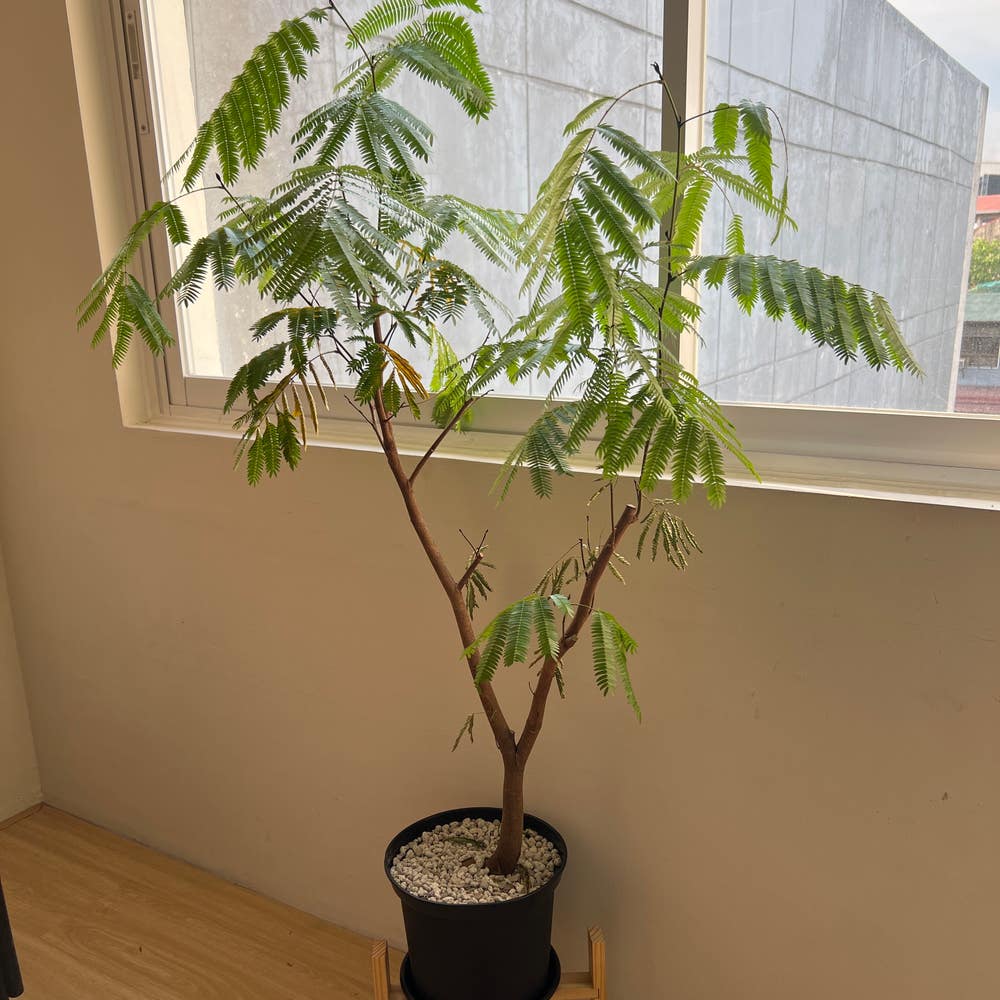
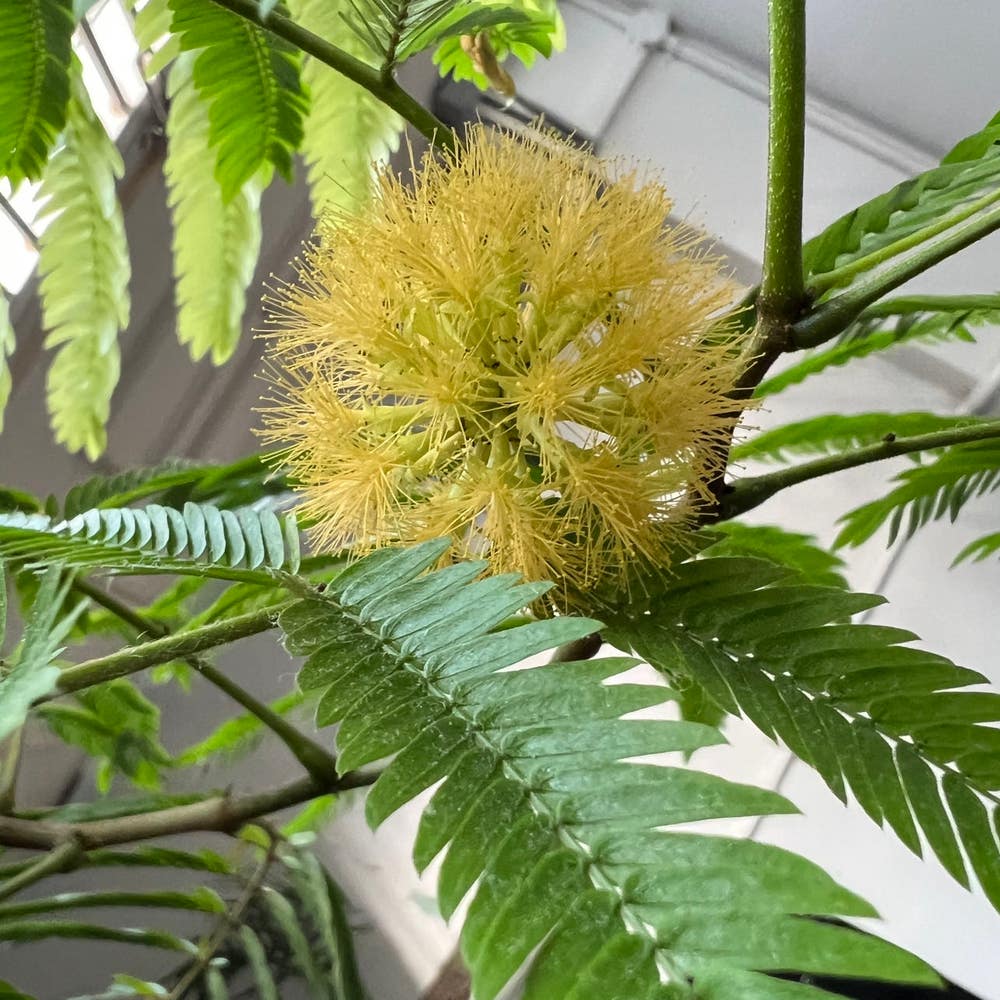
🌸 8 Perfect Plant Partners for Acle
Albizia acle
By the Greg Editorial Team
Nov 08, 2024•5 min read
This article was created with the help of AI so we can cover more plants for you. May contain errors. See one? Report it here.
Elevate your Acle garden's health and beauty with these essential companion plants! 🌼
- 🌼 Marigolds attract pollinators and repel pests, enhancing Acle's growth and health.
- 🌱 Basil and chives improve flavor and deter pests, making them ideal partners for Acle.
- 🌿 Companion planting boosts biodiversity and aesthetics, creating a thriving Acle garden.
Best Companion Plants for Acle
🌼 Marigold
Marigolds are a gardener's best friend, flaunting bright yellow and orange flowers that not only beautify your garden but also attract essential pollinators. Their pest-repellent properties are particularly effective against nematodes and aphids, making them a must-have companion for Acle.
🌿 Basil
Basil is more than just a culinary delight; this aromatic herb enhances the flavor of nearby plants while repelling pesky flies and mosquitoes. Its natural pest management qualities make it an excellent partner for Acle, ensuring a healthier garden environment.
🌸 Nasturtium
Nasturtiums bring a splash of color with their edible flowers and leaves, attracting beneficial insects that help maintain a balanced ecosystem. They also serve as a trap crop for aphids, drawing these pests away from Acle and protecting your plants.
🌊 Borage
With its stunning blue flowers, borage is a magnet for bees, promoting pollination in your garden. Beyond its visual appeal, borage improves soil health and provides essential nutrients to neighboring plants, making it a valuable companion for Acle.
🧄 Chives
Chives are a perennial favorite, offering a mild onion flavor that enhances various dishes. They also play a crucial role in pest management by repelling aphids and carrot flies, ensuring that Acle remains healthy and thriving.
🧄 Garlic
Garlic is renowned for its strong aroma, which deters many common garden pests. Additionally, it enhances the flavor of nearby plants, particularly tomatoes, making it a fantastic companion for Acle.
🌼 Sweet Alyssum
Sweet Alyssum is a charming low-growing plant adorned with clusters of tiny flowers. It attracts beneficial insects like lacewings and hoverflies, providing natural pest control and contributing to a vibrant garden ecosystem.
🍀 Clover
Clover is a nitrogen-fixing powerhouse that significantly improves soil fertility. Its ground cover reduces weeds while enhancing garden diversity, making it an excellent companion for Acle.
These companion plants not only support the health and vitality of Acle but also create a visually stunning garden. By incorporating these plants, you can enjoy a flourishing garden that thrives on natural pest management and aesthetic appeal. Next, let’s explore how these companion plants can aid in pest management for Acle.
Pest Management with Companion Plants
🌱 How Companion Plants Help with Pest Control
Companion plants play a crucial role in pest management by utilizing natural mechanisms to deter unwanted insects. They can emit scents that repel pests or create physical barriers that make it harder for pests to reach your Acle.
Additionally, these plants attract beneficial insects, such as ladybugs and lacewings, which prey on harmful pests. By fostering a balanced ecosystem, companion planting not only protects your Acle but also enhances the overall health of your garden.
🐞 Specific Pests Repelled by Companion Plants for Acle
Certain companion plants are particularly effective at repelling specific pests that threaten Acle. Here’s a quick rundown:
- Aphids: Marigolds and chives are excellent at keeping these pesky insects at bay.
- Whiteflies: Basil and garlic work wonders in deterring whiteflies, ensuring your Acle remains healthy.
- Spider Mites: Borage and sweet alyssum help manage spider mite populations, providing a protective shield for your plants.
By strategically incorporating these companion plants, you can create a thriving garden that minimizes pest issues while promoting biodiversity. This proactive approach not only protects your Acle but also enhances the beauty and resilience of your garden.
Next, let’s explore how companion plants can enhance the visual appeal and aesthetics of your Acle garden.
Visual Appeal and Aesthetics
🌼 How companion plants enhance the visual appeal of Acle gardens
Companion plants can transform Acle gardens into vibrant displays of color and texture. By incorporating flowering companions, you create a lively color palette that draws the eye and attracts pollinators.
The bright yellows of marigolds or the blues of borage contrast beautifully with the lush green foliage of Acle. This not only enhances the garden's aesthetic but also promotes a healthy ecosystem.
🎨 Color and texture combinations with Acle
When pairing colors, consider the striking combination of yellow marigolds against the deep green of Acle leaves. This creates a cheerful and inviting atmosphere.
For textural diversity, mix the broad, flat leaves of Acle with the fine, delicate leaves of chives. This contrast adds depth and interest to your garden, making it visually appealing and dynamic.
By thoughtfully selecting companion plants, you can elevate the beauty of your Acle garden while also supporting its health and productivity. As you plan your garden layout, remember that aesthetics and functionality can go hand in hand.
Next, let’s explore how companion plants can play a crucial role in pest management.
Plants to Avoid Near Acle
🌿 Fennel
Fennel is a plant to steer clear of when growing Acle. Its allelopathic properties can inhibit Acle's growth, making it a poor neighbor in the garden.
🍅 Tomato
Tomatoes may seem like a natural companion, but they share vulnerabilities with Acle. Both are susceptible to similar pests and diseases, which can lead to increased infestations.
🥔 Potatoes
Potatoes also pose a risk due to overlapping pest issues, particularly aphids and blight. Additionally, they can deplete soil nutrients, negatively impacting Acle's health and vigor.
Avoiding these plants will help ensure Acle thrives in your garden. By choosing the right companions, you can create a flourishing environment that supports healthy growth and pest management.
⚠️ Safety First
This content is for general information and may contain errors, omissions, or outdated details. It is not medical, veterinary advice, or an endorsement of therapeutic claims.
Always consult a qualified healthcare professional before using any plant as food, medicine, or supplement.
Never eat any plant (or feed one to pets) without confirming its identity with at least two trusted sources.
If you suspect poisoning, call Poison Control (800) 222-1222, the Pet Poison Helpline (800) 213-6680, or your local emergency service immediately.
Spotted an error? Please report it here.
Transform your Acle garden into a vibrant oasis 🌼 with the right companion plants, and let Greg guide you with tailored care tips to keep your plants thriving and pest-free!