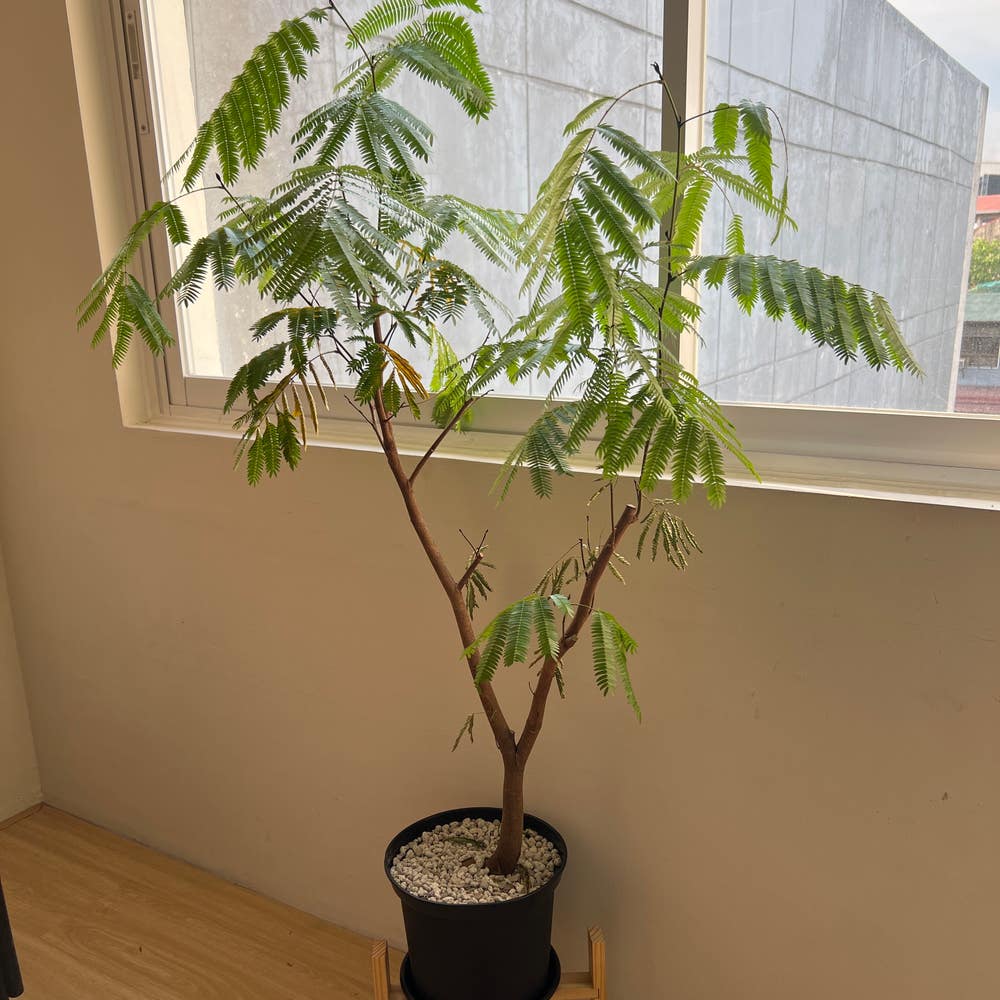
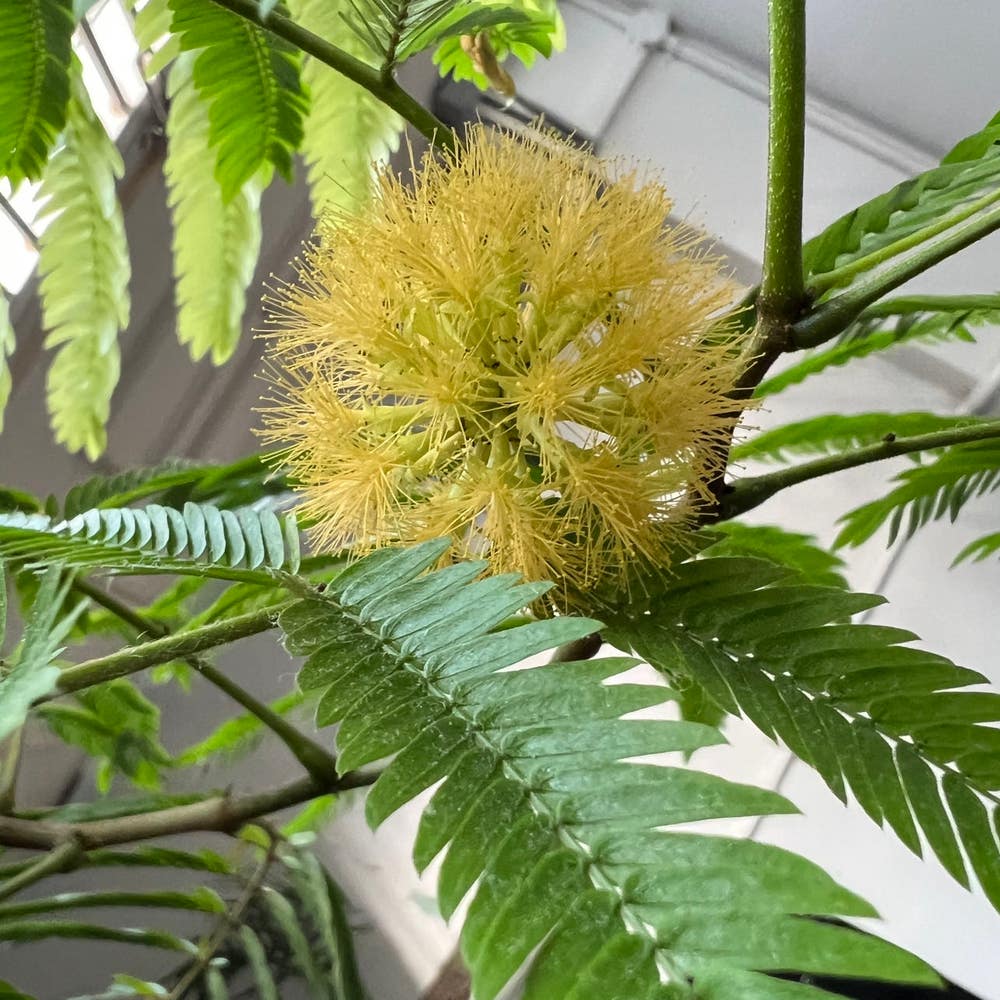
3 Do's and Don'ts of Growing Acle
Albizia acle
By the Greg Editorial Team
Nov 08, 2024•7 min read
This article was created with the help of AI so we can cover more plants for you. May contain errors. See one? Report it here.
Unlock a vibrant Acle garden 🌼 with essential care tips for thriving blooms and lush foliage!
- 🌞 Acle thrives in 6-8 hours of sunlight; ensure full sun to partial shade.
- 🌱 Plant Acle in spring after frost, using well-drained soil for best results.
- 💧 Water every 3-5 days and check for pests to maintain healthy growth.
Choosing the Right Location
🌞 Light Requirements
Acle thrives best in full sun to partial shade, requiring 6-8 hours of sunlight daily. This light is crucial for vibrant flowers and lush foliage, so choose a spot that maximizes exposure.
🌡️ Environmental Conditions
The ideal temperature range for Acle is between 15°C to 30°C (59°F to 86°F). Additionally, moderate humidity levels help maintain its health and vitality.
🏞️ Site Selection
When selecting a site, avoid areas exposed to strong winds or heavy shade. Good air circulation is essential to prevent diseases, so look for locations that offer a balance of protection and airflow.
By carefully considering these factors, you can create an optimal environment for your Acle to flourish. Next, let’s dive into the essential steps for soil preparation, which is just as critical for your plant's success.
Soil Preparation
🌱 Soil Type and Composition
Acle thrives in well-drained soil, making drainage crucial for its health. A recommended soil mix consists of 50% potting soil, 30% perlite, and 20% compost to ensure optimal growth.
⚗️ Soil pH Levels
The ideal pH range for Acle is between 6.0 and 7.0. You can easily test your soil pH using a home testing kit or by sending samples to a lab for accurate results.
🧪 Soil Amendments
Incorporating organic matter like compost and aged manure enriches the soil, providing essential nutrients. Additionally, adding sand can improve soil texture, enhancing drainage and preventing waterlogging.
With the right soil preparation, your Acle will be set for success. Next, let’s explore effective planting techniques to ensure your plants thrive.
Planting Techniques
🌱 Timing for Planting
The best time to plant Acle is in the spring, right after the last frost. This timing ensures that your plants have the warm temperatures they need to thrive.
📏 Planting Depth and Spacing
When planting, aim for a depth of 1 to 2 inches. Space your plants 12 to 18 inches apart to give them room to grow and flourish.
🌿 Transplanting Seedlings
Before transplanting seedlings outdoors, it's crucial to harden them off. Gradually acclimate your seedlings to outdoor conditions over 7 to 10 days to minimize shock.
Look for signs that your seedlings are ready for transplanting, such as having 2 to 3 sets of true leaves. This indicates they are strong enough to adapt to their new environment.
With these planting techniques, you’re setting the stage for a successful Acle garden. Next, let’s explore how to effectively water and fertilize your plants for optimal growth.
Watering and Fertilizing
💧 Watering Needs and Schedule
Maintaining consistent moisture is crucial for Acle's health. Regular watering ensures that the plants thrive without the risk of waterlogging, which can lead to root rot.
Water your Acle every 3-5 days, adjusting based on weather conditions. During hot spells, you may need to increase frequency to keep the soil adequately moist.
🌱 Fertilizing Best Practices
Choosing the right fertilizer is key to promoting robust growth. A balanced NPK fertilizer, such as 10-10-10, or organic alternatives can provide essential nutrients.
Fertilize every 4-6 weeks during the growing season to support healthy development. Watch for signs of nutrient deficiency, like yellowing leaves or stunted growth, which indicate that your plants may need a boost.
With proper watering and fertilizing techniques, your Acle will flourish beautifully. Next, we’ll explore effective pruning and maintenance strategies to keep your plants in top shape.
Pruning and Maintenance
Pruning Techniques for Healthy Growth 🌱
Pruning is essential for keeping your Acle healthy and vibrant. The best time to prune is late winter or early spring, just before new growth begins.
Pinching back the tips of the stems encourages bushier growth and a fuller appearance. This simple technique can significantly enhance the plant's overall shape and flowering potential.
Ongoing Care and Maintenance Routine 🧹
Regular inspections are crucial for catching pests and diseases early. Look for any signs of trouble, such as discoloration or unusual spots on leaves.
Deadheading spent flowers is another vital task. This practice not only keeps your plant looking tidy but also promotes new blooms, ensuring your Acle remains a stunning focal point in your garden.
By incorporating these pruning and maintenance techniques, you’ll foster a thriving environment for your Acle. This proactive approach will lead to a more robust and beautiful plant, ready to take on the growing season.
Next, let’s explore how to grow Acle in different environments, maximizing its potential whether in the garden or in containers.
Growing in Different Environments
🌳 Outdoor Conditions
Creating the perfect outdoor environment for Acle can significantly enhance its growth. Ideal settings include flower beds, borders, or mixed gardens where Acle can thrive alongside other plants.
Companion planting is a fantastic strategy to consider. By planting Acle with other flowering plants, you can attract beneficial insects and improve pollination, leading to a more vibrant garden.
🪴 Container Growing Tips
If you're short on space, container growing is a viable option for Acle. Choose containers that are at least 12 inches in diameter to ensure healthy root growth.
Drainage is crucial for container plants. Always ensure your pots have drainage holes to prevent waterlogging, which can lead to root rot.
One of the perks of container gardening is mobility. You can easily move your Acle to optimize light exposure, allowing it to soak up the sun or find shelter from harsh weather.
Transitioning to the next topic, let's explore common challenges you might face while growing Acle and how to tackle them effectively.
Common Challenges
Identifying and Managing Pests 🐛
Pests can be a gardener's worst nightmare, but knowing how to identify and manage them can save your Acle.
Common Pests
Aphids are small, soft-bodied insects that cluster on new growth. Look for curled leaves or sticky residue on your plants. Control methods include introducing beneficial insects like ladybugs or using insecticidal soap.
Spider mites are another common foe, often leaving fine webbing on the undersides of leaves. Symptoms include yellowing leaves and stippling. To prevent infestations, maintain humidity and regularly check your plants.
Preventing and Treating Diseases 🦠
Keeping your Acle healthy involves vigilance against diseases that can hinder growth.
Common Diseases
Powdery mildew appears as a white, powdery coating on leaves, especially in humid conditions. Treatment options include removing affected leaves and applying fungicides if necessary.
Root rot is caused by overwatering and poor drainage. To prevent it, ensure your soil is well-drained and only water when the top inch of soil feels dry.
By staying proactive about pests and diseases, you can foster a thriving Acle garden. Next, let’s explore seasonal care to keep your plants flourishing throughout the year.
Seasonal Care
🌱 Seasonal Care from Spring to Winter
Caring for Acle throughout the seasons is crucial for its health and vibrancy.
Spring is the time to fertilize and prepare your plants for growth. As the weather warms, apply a balanced fertilizer to kickstart their development.
Summer demands regular watering and vigilant pest management. Keep the soil consistently moist, and watch for any signs of pests that could threaten your plants.
As we transition into Fall, it's essential to prepare Acle for dormancy. This includes potential frost protection to ensure your plants survive the colder months.
In Winter, container-grown Acle requires special attention. Bring them indoors if necessary, providing adequate light and care to keep them thriving until spring returns.
🔄 Adjusting Care Based on Growth Cycle
Understanding Acle's growth phases is key to effective care.
During the active growth phase, your plants will need more frequent watering and fertilization.
As they enter dormancy, you can reduce these inputs significantly. Adjusting your care routine based on these cycles ensures your Acle remains healthy and vibrant year-round.
With these seasonal care tips, you're well-equipped to nurture your Acle through every stage of its growth. Next, let’s explore common challenges you might face while growing Acle and how to overcome them.
⚠️ Safety First
This content is for general information and may contain errors, omissions, or outdated details. It is not medical, veterinary advice, or an endorsement of therapeutic claims.
Always consult a qualified healthcare professional before using any plant as food, medicine, or supplement.
Never eat any plant (or feed one to pets) without confirming its identity with at least two trusted sources.
If you suspect poisoning, call Poison Control (800) 222-1222, the Pet Poison Helpline (800) 213-6680, or your local emergency service immediately.
Spotted an error? Please report it here.
Nurture your Acle to bloom beautifully 🌼 with Greg's custom watering plans and care reminders that keep your plants thriving in their perfect environment!