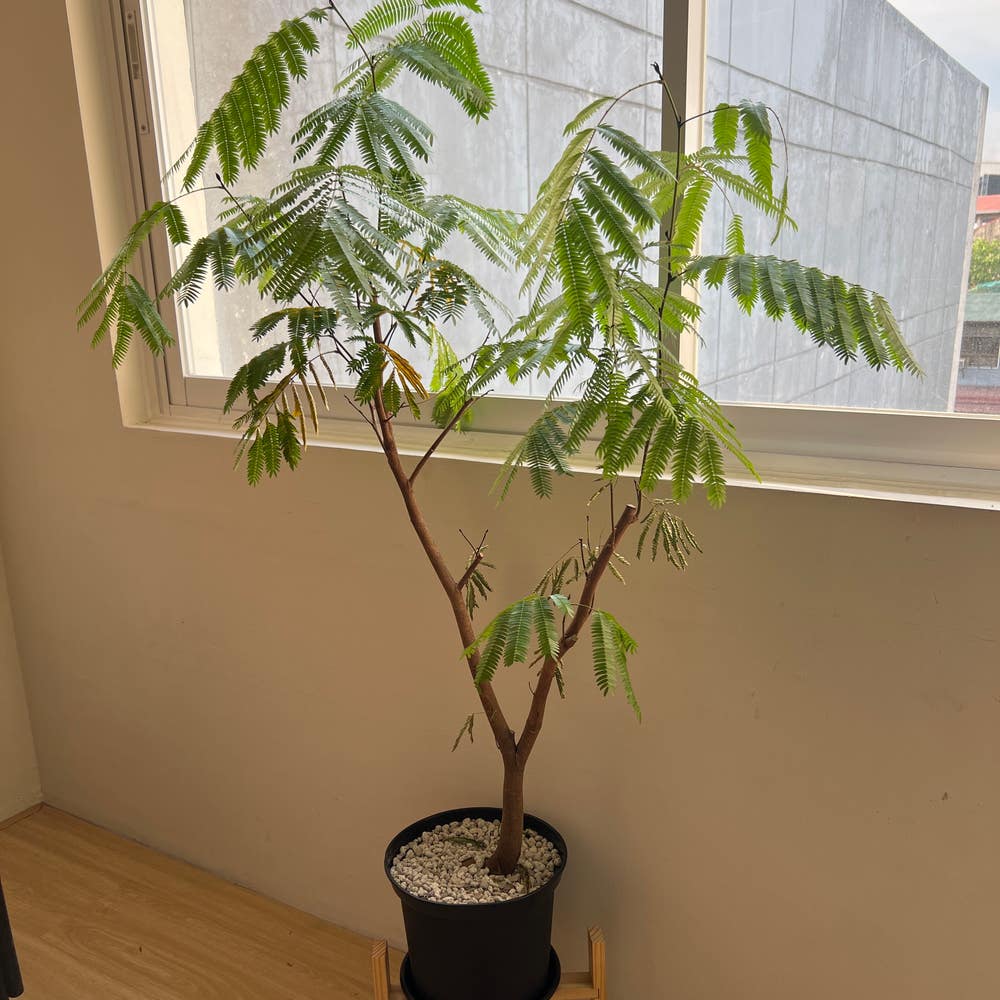
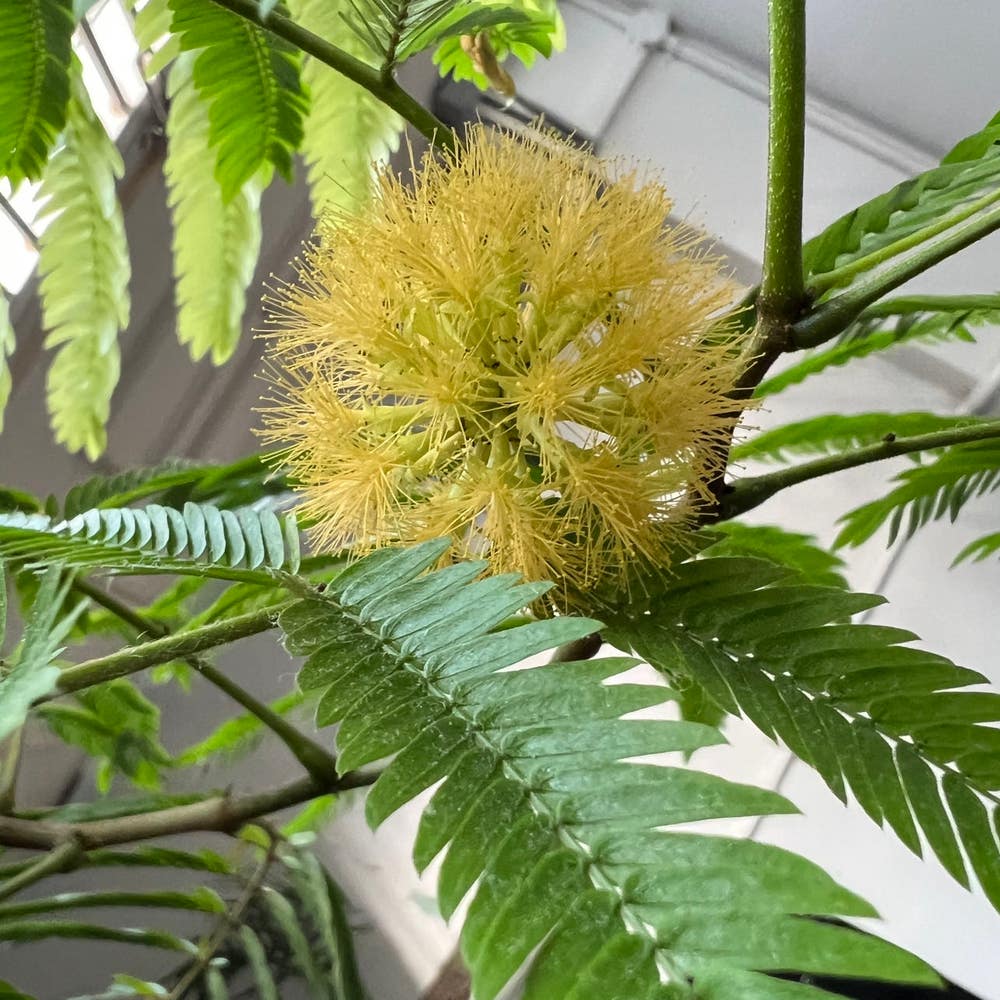
Acle Care: Preventing and Treating Root Rot 🪴
Albizia acle
By the Greg Editorial Team
Nov 08, 2024•5 min read
This article was created with the help of AI so we can cover more plants for you. May contain errors. See one? Report it here.
Protect your plants from root rot and ensure their vibrant health with these essential care tips! 🌱💧
- 🌱 Early signs of root rot include leaf discoloration, wilting, and drooping.
- 🥀 Healthy roots are firm and white; black, mushy roots indicate rot.
- 💧 Prevent root rot by watering only when the top inch of soil is dry.
Identifying Symptoms
👀 Visual signs
Leaf discoloration
One of the first signs of root rot is leaf discoloration. Yellowing leaves often indicate that the plant is struggling, while wilting and drooping leaves suggest that the roots are not absorbing water effectively.
Root appearance
Healthy roots are typically firm and white, while rotting roots exhibit a black, mushy texture. If you notice these characteristics, it’s a clear signal that your plant is in trouble.
🕵️♂️ Behavioral changes
Growth patterns
Stunted growth is another red flag for root rot. If your plant isn’t producing new leaves or shows changes in flowering or fruiting behavior, it’s time to investigate further.
Overall plant health
Keep an eye on the overall health of your plant. Signs of stress, such as leaf drop or poor vigor, can indicate that root rot is taking hold.
Recognizing these symptoms early can make a significant difference in your plant's recovery. By staying vigilant, you can take action before the situation worsens.
Preventing Root Rot
Best watering practices 🌊
Watering is crucial in preventing root rot. Establishing a consistent watering frequency based on your plant's environment is key.
- Recommended schedule: Generally, water when the top inch of soil feels dry. Adjust this based on humidity and temperature; hotter conditions may require more frequent watering.
- Signs that indicate when to water: Look for drooping leaves or dry soil as indicators that your plant needs hydration.
Techniques for proper watering 💧
How you water can make a significant difference in root health.
- Deep watering vs. surface watering: Deep watering encourages roots to grow downwards, while surface watering can lead to shallow root systems. Aim for a thorough soak that reaches the root zone.
- Using moisture meters: These handy tools provide accurate readings of soil moisture, helping you avoid over or under-watering.
Importance of soil drainage 🕳️
Soil drainage is a game-changer in preventing root rot.
- Characteristics of well-draining soil: A mix of peat, perlite, and sand creates an ideal environment. This combination allows excess water to escape while retaining necessary moisture.
- How to test soil drainage capabilities: Conduct a simple test by pouring water into the soil. If it pools on the surface or drains slowly, consider amending your soil mix.
Choosing the right pot 🪴
The pot you choose can significantly impact your plant's health.
- Pot material considerations: Terracotta pots are porous and allow for better airflow, while plastic pots retain moisture longer. Choose based on your plant's needs.
- Pot size and drainage holes: Ensure your pot has adequate drainage holes to prevent water accumulation. For most plants, a pot that is 1-2 inches larger than the root ball is ideal.
By implementing these practices, you can create a thriving environment for your plants and significantly reduce the risk of root rot. Next, we'll explore how to treat root rot effectively if it does occur.
Treating Root Rot
Dealing with root rot can feel daunting, but with the right approach, you can save your plant. Follow this step-by-step guide to effectively treat root rot and restore your plant's health.
🛠️ Step-by-step treatment process
Assessing the extent of root rot: Start by gently removing the plant from its pot. Inspect the roots carefully to determine which areas are healthy and which are affected by rot.
Removing the plant from its pot: Use caution during extraction. Loosen the soil around the edges and gently pull the plant out to minimize damage.
Cleaning the roots: Rinse the roots under lukewarm water to remove soil. Trim away any dead or mushy roots with sterilized scissors to prevent further infection.
Applying fungicides: Choose a suitable fungicide based on your plant's needs. Follow the manufacturer's instructions for application to ensure effectiveness.
Repotting affected plants: Select fresh, well-draining soil to promote recovery. When repotting, ensure the roots are spread out evenly and avoid packing the soil too tightly.
💊 Recommended fungicides
Types of fungicides: There are two main types: systemic and contact fungicides. Systemic fungicides are absorbed by the plant, while contact fungicides act on the surface.
Application guidelines: Apply fungicides at the first sign of root rot. Follow the recommended timing and frequency for the best results, typically every few weeks until the plant shows signs of recovery.
By following these steps, you can effectively treat root rot and give your plant a fighting chance. With proper care and attention, your plant can bounce back and thrive once again.
Next, let’s explore how to monitor your plant after treatment to ensure it stays healthy and avoids future issues.
Post-Treatment Care
👀 Monitoring after treatment
After treating root rot, it's essential to keep a close eye on your plant's recovery. Look for signs of new growth, such as fresh leaves or shoots, which indicate that the plant is bouncing back.
Regular check-ups are crucial during this phase. Inspect your plant every week or two to monitor its progress and ensure that the roots are developing healthily.
🔧 Adjusting care to prevent recurrence
Modifying your watering practices is key to preventing root rot from returning. Pay attention to how your plant responds; if it shows signs of stress, adjust your watering frequency accordingly.
Soil maintenance also plays a vital role in your plant's health. Periodically check the soil for compaction or nutrient depletion, and consider amending it to keep your plant thriving.
By staying vigilant and adjusting your care routine, you can help your plant recover fully and prevent future issues. This proactive approach will ensure your plant remains healthy and vibrant for years to come.
⚠️ Safety First
This content is for general information and may contain errors, omissions, or outdated details. It is not medical, veterinary advice, or an endorsement of therapeutic claims.
Always consult a qualified healthcare professional before using any plant as food, medicine, or supplement.
Never eat any plant (or feed one to pets) without confirming its identity with at least two trusted sources.
If you suspect poisoning, call Poison Control (800) 222-1222, the Pet Poison Helpline (800) 213-6680, or your local emergency service immediately.
Spotted an error? Please report it here.
Keep your plants thriving and rot-free 🌿 with Greg's tailored watering alerts and soil care tips that empower you to prevent root rot before it starts!