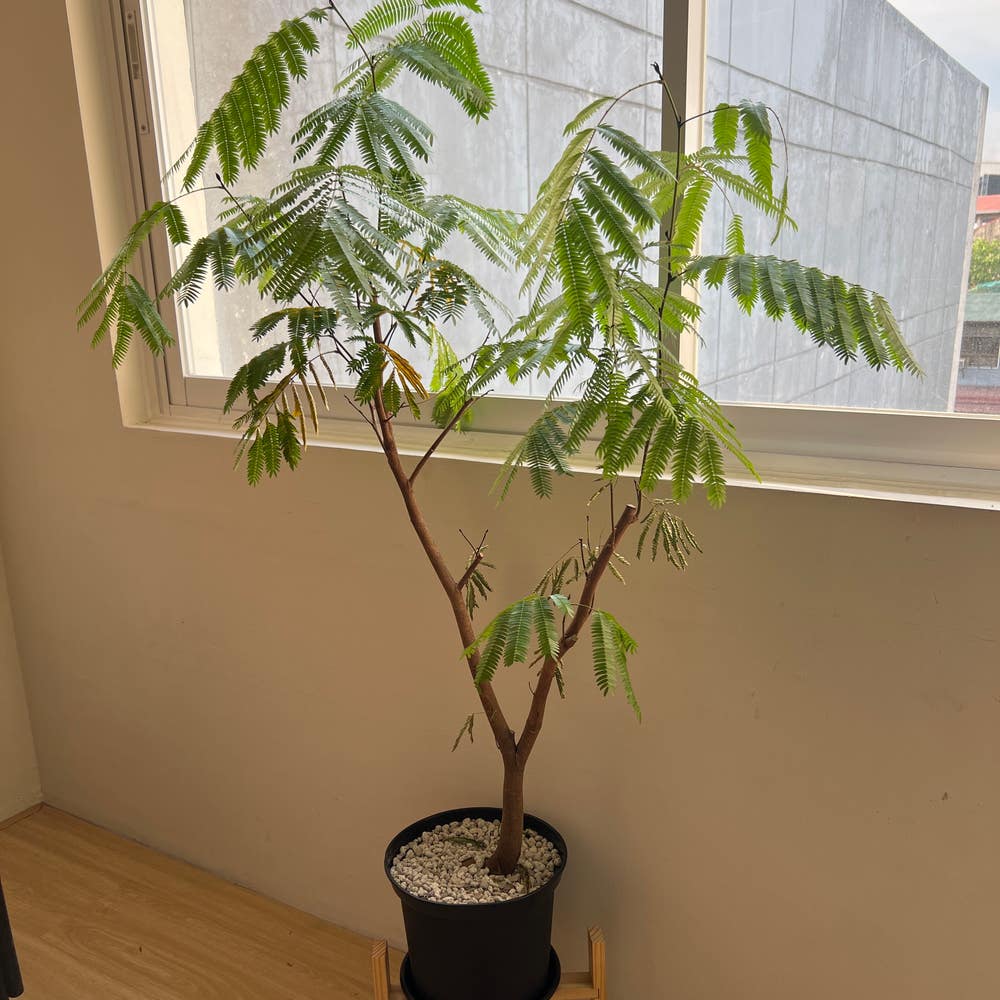
😢 What to Do About Droopy Leaves on Your Acle
Albizia acle
By the Greg Editorial Team
Nov 08, 2024•5 min read
This article was created with the help of AI so we can cover more plants for you. May contain errors. See one? Report it here.
Transform your droopy Acle into a thriving beauty with these essential care tips! 🌱
- 💧 Check watering habits: Overwatering or underwatering causes droopy leaves on your Acle.
- 🌞 Bright, indirect light is essential; relocate your Acle to prevent leggy growth.
- 🌬️ Maintain humidity between 50-70% to avoid leaf curling and browning.
Diagnosing the Problem
🌊 Assessing Watering Habits
Understanding your Acle's watering needs is crucial for its health.
Signs of Overwatering
If you notice yellowing leaves, soggy soil, or mushy roots, your plant may be suffering from overwatering. These symptoms indicate that the roots are drowning, which can lead to root rot.
Signs of Underwatering
On the flip side, dry, crispy leaf edges and soil pulling away from the pot's edges are clear signs of underwatering. Both conditions can lead to droopy leaves, so it's essential to find the right balance.
Recommended Watering Frequency
To ensure your Acle thrives, check the soil moisture 1-2 inches deep before watering. This simple step can help you avoid the pitfalls of both over and underwatering.
☀️ Evaluating Light Exposure
Light is another critical factor in your Acle's well-being.
Ideal Light Conditions
Acle plants prefer bright, indirect light. If your plant is not getting enough light, you may notice leggy growth or leaf drop, which are signs that it needs more exposure.
Adjusting Light Exposure
If you find your Acle struggling, consider moving it to a brighter location. Just be cautious to avoid direct sunlight, which can scorch the leaves.
💧 Checking Humidity Levels
Humidity plays a significant role in keeping your Acle happy.
Humidity Requirements
These plants thrive in humidity levels of 50-70%. If the air is too dry, you might see leaf curling and browning at the tips, indicating that your plant is not getting enough moisture in the air.
Methods to Increase Humidity
To boost humidity, you can use a humidifier or set up a pebble tray filled with water. Both methods help create a more favorable environment for your Acle.
🐛 Identifying Pest Infestations
Pests can be a hidden threat to your Acle's health.
Common Pests
Watch out for spider mites, which leave fine webbing and stippled leaves, and aphids, often found in clusters on new growth. These pests can cause significant damage if not addressed promptly.
Signs of Pest Problems
Leaf discoloration and drooping are common indicators of pest infestations. Regular inspections are vital to catch these issues early and protect your plant's vitality.
By diagnosing these potential problems, you can take proactive steps to ensure your Acle remains healthy and vibrant. Next, we’ll explore effective treatments for reviving droopy leaves.
Treating Droopy Leaves
🌱 Step-by-step Guide to Reviving Droopy Acle
Reviving your droopy Acle starts with a careful assessment of its watering situation. Adjust your watering habits based on whether the plant is overwatered or underwatered.
Next, check the soil drainage to ensure it’s well-draining. Poor drainage can lead to root rot, which is detrimental to your plant's health.
Modify the light conditions to ensure your Acle receives adequate exposure. If it’s not getting enough light, consider moving it to a brighter spot.
Increasing humidity levels is crucial for your Acle's recovery. Use a humidifier or mist the leaves regularly to create a more favorable environment.
Finally, inspect your plant for pests. If you spot any, apply appropriate treatments to eliminate them and prevent further damage.
💧 Adjusting Watering Techniques
To effectively water your Acle, use the recommended method of watering thoroughly until it drains from the bottom. This ensures that the roots receive adequate moisture.
Allow the top inch of soil to dry out between waterings. This practice helps prevent overwatering, which can lead to droopy leaves.
Always use pots with drainage holes. Proper drainage is essential for maintaining healthy roots and preventing waterlogged soil.
☀️ Modifying Light Conditions
If your Acle is not receiving enough light, gradually acclimate it to brighter conditions. This approach helps avoid shock and allows the plant to adjust comfortably.
Conversely, if the light is too intense, use sheer curtains to diffuse direct sunlight. This will protect your plant from leaf burn while still providing adequate light.
🌧️ Increasing Humidity for Acle
Boosting humidity can significantly benefit your Acle. One effective method is to group plants together, creating a microclimate that retains moisture.
Regular misting of the leaves is another way to increase humidity. Just be cautious not to let excess water sit on the foliage, as this can lead to fungal issues.
🐞 Pest Control Methods for Acle
For pest control, consider organic options like neem oil or insecticidal soap. These treatments are effective against common pests such as spider mites and aphids.
Additionally, regularly wipe the leaves with a damp cloth to remove any pests. This simple action can help maintain your plant's health and appearance.
By following these steps, you can effectively treat droopy leaves on your Acle and restore its vitality. Next, let’s explore how to prevent future issues to keep your plant thriving.
Preventing Future Issues
Best Practices for Acle Care 🌱
To keep your Acle thriving, regularly monitor soil moisture and adjust your watering schedule accordingly. Ensuring proper drainage and high-quality soil is crucial for healthy growth.
Maintaining consistent humidity levels is especially important during dry seasons. This will help prevent droopy leaves and keep your plant looking vibrant.
Seasonal Care Adjustments 🌦️
As seasons change, so should your care routine. During the growing season in spring and summer, increase your watering frequency to support active growth.
Conversely, reduce watering during the dormant season in fall and winter. Additionally, keep an eye on light exposure as days shorten, ensuring your Acle gets enough indirect light.
Monitoring Environmental Conditions 📊
Investing in a hygrometer can help you accurately measure humidity levels around your Acle. This tool will guide you in maintaining the ideal humidity range.
Also, aim to keep your plant in a consistent temperature range of 18°C to 24°C (65°F to 75°F). This stability will contribute to your Acle's overall health and resilience.
By implementing these best practices, seasonal adjustments, and environmental monitoring, you can prevent future issues and enjoy a flourishing Acle. Next, let’s explore how to treat droopy leaves effectively.
⚠️ Safety First
This content is for general information and may contain errors, omissions, or outdated details. It is not medical, veterinary advice, or an endorsement of therapeutic claims.
Always consult a qualified healthcare professional before using any plant as food, medicine, or supplement.
Never eat any plant (or feed one to pets) without confirming its identity with at least two trusted sources.
If you suspect poisoning, call Poison Control (800) 222-1222, the Pet Poison Helpline (800) 213-6680, or your local emergency service immediately.
Spotted an error? Please report it here.
Keep your Acle's leaves perky and vibrant 🌿 by using Greg's custom watering reminders and care tips to ensure it thrives in the right light and humidity!