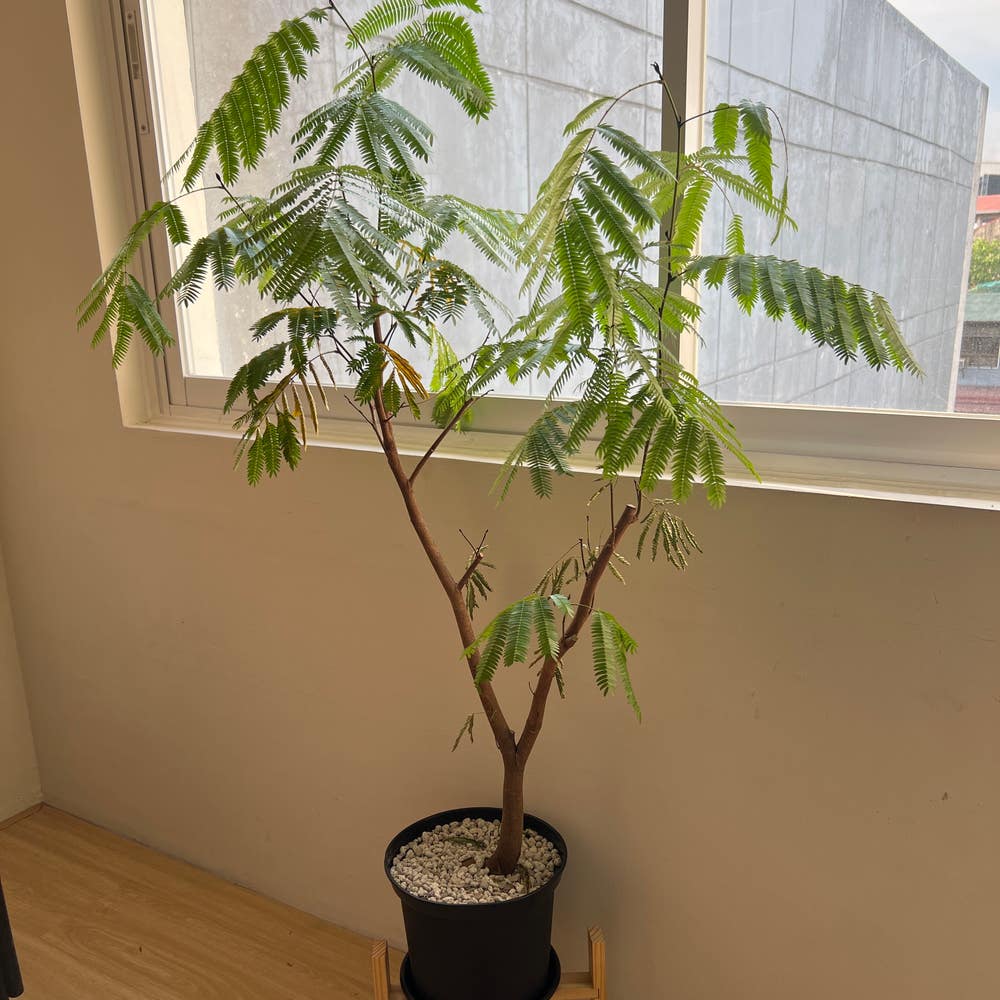
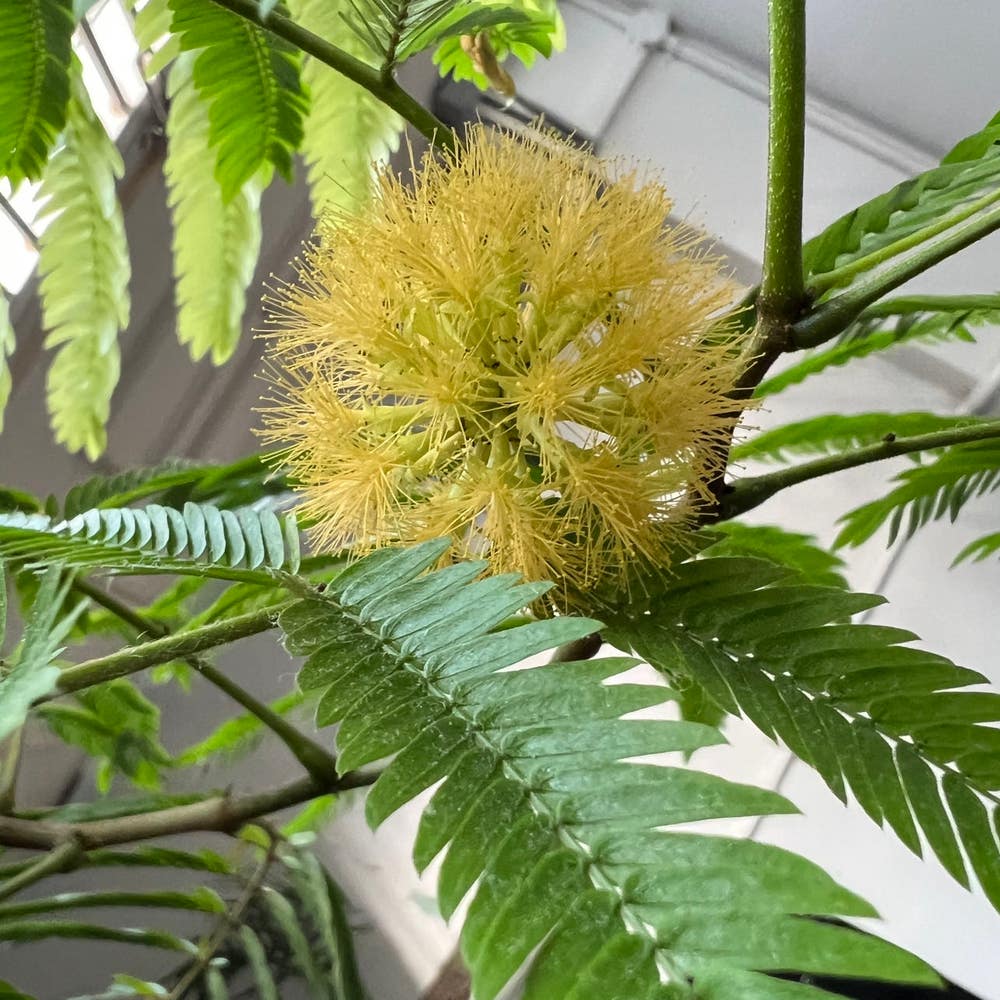
Acle Fertilizer: How and When to Use It
Albizia acle
By the Greg Editorial Team
Nov 08, 2024•5 min read
This article was created with the help of AI so we can cover more plants for you. May contain errors. See one? Report it here.
Boost your Acle's growth 🌱 with essential fertilization tips for vibrant blooms and robust health!
- 🌱 Fertilizing Acle promotes healthy growth and vibrant blooms throughout the growing season.
- ⚖️ Choose balanced fertilizers with micronutrients to prevent deficiencies and support Acle's health.
- 🕒 Fertilize every 4-6 weeks during active growth for optimal results and blooming potential.
Importance of Fertilizing Acle
🌱 Benefits of Fertilization
Fertilizing Acle is essential for promoting healthy growth and vibrant blooms. It supports robust foliage, ensuring your plants look lush and full.
Additionally, fertilization provides vital nutrients that may be missing from the soil. This nutrient boost enhances overall plant health, making Acle more resilient against pests and diseases.
⚠️ Signs of Nutrient Deficiency
Recognizing nutrient deficiencies is crucial for maintaining Acle's health. Yellowing leaves often indicate a nitrogen deficiency, signaling that your plants need more of this essential nutrient.
If you notice poor blooming, it could be due to a lack of phosphorus, leading to fewer flowers. Stunted growth is another red flag, suggesting a general nutrient deficiency affecting the plant's vigor.
Lastly, leaf drop can be a sign of potassium deficiency. Keeping an eye on these symptoms will help you address issues before they escalate, ensuring your Acle thrives.
With a solid understanding of the benefits of fertilization and how to spot deficiencies, you're well-equipped to nurture your Acle plants. Next, let’s explore how to effectively fertilize Acle for optimal growth.
How to Fertilize Acle
🌱 Choosing the Right Fertilizer
Selecting the right fertilizer is crucial for the health of your Acle plants. Balanced fertilizers containing micronutrients are often the best choice, as they provide a well-rounded nutrient profile.
For those who prefer organic options, consider using compost, fish emulsion, or seaweed extract. These natural fertilizers enrich the soil and promote sustainable growth.
If you lean towards synthetic fertilizers, slow-release granules or water-soluble options can be effective. They offer convenience and targeted nutrient delivery.
💧 Application Methods
There are several easy methods to apply fertilizer to your Acle plants.
Granular application involves spreading the fertilizer evenly around the base of the plant. This method allows for gradual nutrient release as it breaks down.
Liquid application requires you to dilute the fertilizer according to package instructions before applying it directly to the soil. This method ensures quick absorption by the roots.
Foliar feeding is another effective technique where you spray diluted liquid fertilizer directly onto the leaves. This allows for rapid nutrient uptake, especially during critical growth phases.
📋 Step-by-Step Guide to Fertilizing Acle
Fertilizing Acle can be straightforward if you follow these steps:
- Determine the type of fertilizer based on your Acle's specific nutrient needs.
- Prepare the fertilizer according to the instructions, ensuring proper dilution for liquids or accurate measurement for granules.
- Apply the fertilizer around the base of the plant, avoiding direct contact with the stems to prevent damage.
- Water the plant lightly after application to help the nutrients penetrate the soil effectively.
- Monitor the plant for signs of improvement or any adverse reactions to the fertilizer.
By following these steps, you can ensure your Acle plants receive the nutrients they need to thrive. With the right approach, your plants will flourish, setting the stage for the next topic on when to fertilize Acle.
When to Fertilize Acle
🌱 Seasonal Fertilization Schedule
The best time to fertilize Acle is during its active growing season, which typically spans from spring through early summer. Aim to fertilize every 4-6 weeks during this period to ensure your plants receive the nutrients they need.
Adjust your fertilization schedule based on your geographic location and local climate conditions. For instance, warmer regions may require more frequent applications, while cooler areas might need less.
⏰ Timing Fertilizer Application for Optimal Growth
Start with your first application of fertilizer in early spring, just as new growth begins to emerge. This initial boost helps set the stage for a vibrant growing season.
In mid-summer, apply a second round of fertilizer to support the blooming phase. If your Acle continues to thrive and produce blooms, consider a third application in late summer to keep the momentum going.
By following this seasonal schedule, you can maximize your Acle's growth potential and enjoy a flourishing garden. Next, let’s explore how to avoid over-fertilization and its potential pitfalls.
Avoiding Over-Fertilization
🚩 Symptoms of Over-Fertilization
Over-fertilization can lead to several distress signals from your Acle plants. One common symptom is leaf burn, where you’ll notice brown tips and edges on the leaves, indicating nutrient overload.
Another red flag is excessive leaf growth with few blooms. This often points to too much nitrogen in the soil, which can hinder flowering. Additionally, if your plants start wilting or drooping, it may be a sign of root damage caused by nutrient excess.
🔧 How to Correct Over-Fertilization Issues
If you suspect over-fertilization, the first step is to flush the soil. Water your plants thoroughly to help leach out the excess nutrients.
Next, consider removing affected leaves. Pruning damaged foliage not only improves appearance but also encourages new growth. Finally, adjust your future fertilization practices based on how your plants respond to the changes.
🛡️ Best Practices to Prevent Over-Fertilization
To avoid the pitfalls of over-fertilization, start with lower concentrations of fertilizer. This allows you to gradually increase as needed without overwhelming your plants.
Incorporate regular soil testing into your routine. Monitoring nutrient levels helps tailor your fertilization approach effectively. Lastly, always observe your plant's response. Adjust your feeding frequency based on their growth patterns to ensure they thrive without excess.
By following these guidelines, you can maintain a healthy balance in your Acle's nutrient intake, promoting vibrant growth and beautiful blooms. Next, let’s explore the best times to fertilize your Acle for optimal results.
⚠️ Safety First
This content is for general information and may contain errors, omissions, or outdated details. It is not medical, veterinary advice, or an endorsement of therapeutic claims.
Always consult a qualified healthcare professional before using any plant as food, medicine, or supplement.
Never eat any plant (or feed one to pets) without confirming its identity with at least two trusted sources.
If you suspect poisoning, call Poison Control (800) 222-1222, the Pet Poison Helpline (800) 213-6680, or your local emergency service immediately.
Spotted an error? Please report it here.
Keep your Acle blooming beautifully 🌼 by using Greg's tailored fertilization reminders and nutrient tracking to ensure it gets the right care at the right time!