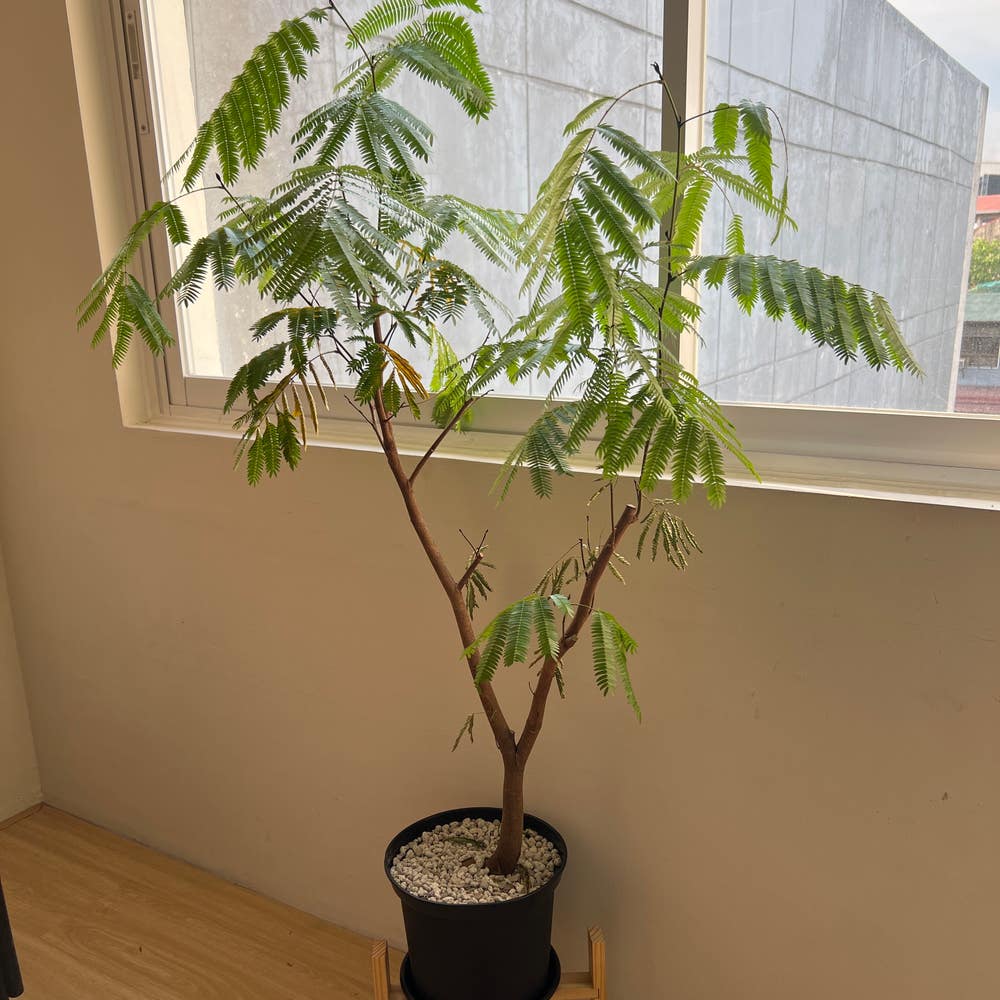
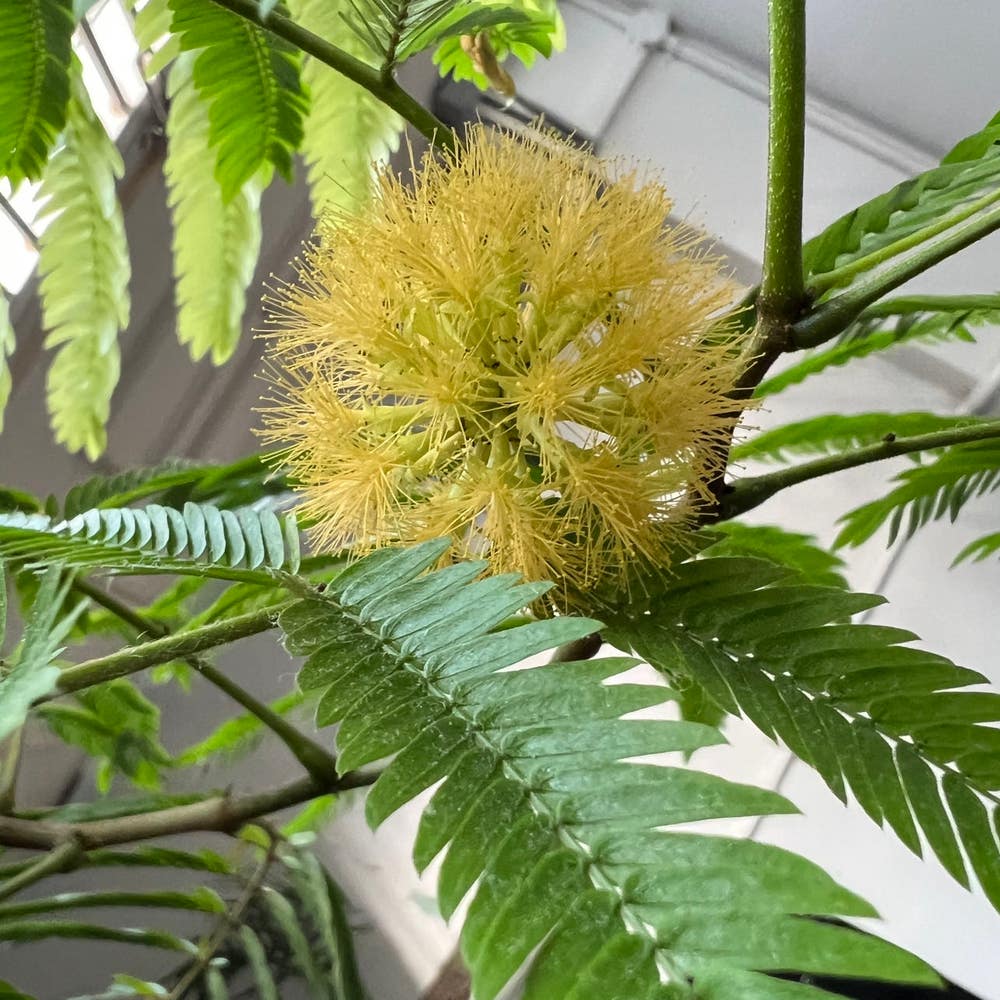
Acle: A Perennial Plant 🌸
Albizia acle
By the Greg Editorial Team
Nov 08, 2024•6 min read
This article was created with the help of AI so we can cover more plants for you. May contain errors. See one? Report it here.
Transform your garden with Acle's resilience and beauty, ensuring sustainability year after year! 🌱
- 🌱 Acle thrives for years, adapting to various climates and conditions effortlessly.
- 🌼 Peak flowering occurs in late spring, influenced by temperature and moisture levels.
- 🌍 Low-maintenance and sustainable, Acle reduces replanting efforts and enhances soil health.
Characteristics of Acle as a Perennial
🌱 Multi-Year Lifecycle of Acle
Acle is a remarkable perennial plant that showcases a lifecycle spanning multiple years. It begins with germination, where seeds sprout and develop into seedlings, eventually maturing into robust plants.
This multi-year lifecycle allows Acle to thrive year after year, adapting to seasonal changes while maintaining its vitality. Its ability to survive through various environmental conditions is a hallmark of perennials, distinguishing it from annuals that complete their lifecycle in a single growing season.
🌿 Growth Patterns and Regrowth from Roots
Acle exhibits unique growth patterns that align with seasonal changes. In spring, it bursts forth with new growth, while in summer, it reaches its peak, often flowering and producing seeds.
One of the most fascinating aspects of Acle is its root system, which plays a crucial role in its regrowth each year. These deep roots store energy and nutrients, enabling Acle to sprout again after dormancy, unlike annuals that must start from seed each season.
When compared to annuals and biennials, Acle's perennial nature offers distinct advantages. Annuals complete their lifecycle in one year, requiring replanting, while biennials take two years to mature. Acle, however, continues to grow and flourish, making it a resilient choice for gardeners seeking long-term beauty and sustainability.
As we explore Acle's flowering cycles and lifespan next, we’ll uncover how these characteristics further enhance its appeal as a perennial plant.
Flowering and Lifespan of Acle
🌸 Flowering Cycles of Acle
Acle typically blooms during the warmer months, with flowering peaks in late spring to early summer. This timing allows the plant to take advantage of optimal temperature and light conditions.
Several factors influence Acle's flowering cycles. Temperature, light exposure, and moisture levels play crucial roles in determining when Acle will bloom. For instance, warmer temperatures can trigger earlier flowering, while adequate moisture ensures robust growth.
⏳ Expected Lifespan and Longevity Factors
The average lifespan of Acle can range from several years to over a decade, depending on environmental conditions and care. Healthy growth is often sustained through proper maintenance and favorable soil conditions.
Several factors affect Acle's longevity. Soil quality, climate conditions, and care practices significantly influence how long Acle thrives. For example, nutrient-rich soil and consistent moisture can enhance its lifespan.
Proper care is essential for maximizing Acle's longevity. Regular monitoring and timely interventions can help address any stress or disease, ensuring that Acle remains vibrant and healthy for years to come.
As we explore the dormancy and seasonal changes in Acle, understanding its flowering and lifespan will provide a solid foundation for appreciating its resilience and beauty.
Dormancy and Seasonal Changes in Acle
🌱 Dormancy Periods in Acle
Dormancy is a crucial phase in Acle's lifecycle, allowing the plant to conserve energy and resources during unfavorable conditions. This period typically occurs in winter, when temperatures drop and light levels decrease, prompting Acle to slow its metabolic processes.
The duration of dormancy can vary based on environmental factors. Generally, Acle enters dormancy in late fall and remains inactive until early spring, responding to seasonal changes and temperature fluctuations as triggers for its return to growth.
🍂 Seasonal Changes and Their Effects on Growth
Seasonal changes significantly influence Acle's growth patterns. During spring and summer, warmer temperatures and increased moisture promote vigorous growth, allowing Acle to thrive and flourish.
In contrast, as temperatures drop in fall and winter, Acle adapts by slowing down its growth and entering dormancy. This strategic response helps the plant conserve energy and survive harsh conditions, showcasing its resilience and adaptability throughout the year.
Understanding these seasonal dynamics is essential for gardeners aiming to cultivate Acle effectively. By recognizing how Acle responds to environmental changes, you can better support its growth and ensure a vibrant garden year after year.
As we explore the advantages of Acle's perennial nature, you'll discover how these seasonal adaptations contribute to its long-term success in your garden.
Advantages of Acle's Perennial Nature
🌱 Benefits for Gardeners
One of the standout advantages of Acle as a perennial plant is the significant reduction in replanting efforts. Once established, Acle continues to thrive year after year, allowing gardeners to enjoy its beauty without the hassle of starting from scratch each season.
Additionally, Acle boasts an established root system that reaches deep into the soil. This depth provides better access to nutrients and water, making it more resilient during dry spells compared to shallower-rooted plants.
🌍 Long-Term Gardening Benefits
Acle's perennial nature contributes to the sustainability of gardening practices. By growing Acle, gardeners can create a more eco-friendly environment, as perennials require less frequent replacement and help maintain soil health over time.
Moreover, cultivating Acle can lead to significant cost savings in the long run. With fewer plant purchases and reduced maintenance needs, gardeners can enjoy a flourishing garden without breaking the bank.
Incorporating Acle into your garden not only enhances its beauty but also supports a more sustainable and cost-effective gardening approach. As we explore the variations of Acle across different climate zones, you'll discover how this resilient plant adapts to thrive in diverse environments.
Variations Across Climate Zones for Acle
🌍 Acle's Behavior in Different Climates
Acle is a resilient perennial that showcases remarkable adaptability across various climate zones. In temperate regions, it thrives with distinct seasonal growth, while in tropical climates, it may exhibit year-round vigor.
In arid conditions, Acle adjusts its growth patterns to conserve water, often entering dormancy during the hottest months. This flexibility allows it to survive and flourish, regardless of environmental challenges.
🌱 Factors Influencing Acle's Perennial Characteristics
Soil quality plays a crucial role in Acle's growth and longevity. Well-drained, nutrient-rich soil fosters robust root development, essential for the plant's survival over multiple years.
Local climate conditions, including temperature fluctuations and rainfall, significantly impact Acle's lifecycle. Adequate moisture and moderate temperatures promote healthy growth, while extreme conditions can trigger dormancy or stress.
Understanding these factors can help gardeners optimize conditions for Acle, ensuring it thrives in diverse environments. As we explore cultivation tips next, consider how these insights can enhance your gardening experience.
Acle Cultivation Tips for Maximizing Perennial Benefits
🌱 Planning for Long-Term Cultivation
Integrating Acle into your garden design can be a game-changer. Consider companion planting, where Acle thrives alongside other plants, enhancing growth and pest resistance.
Spacing is crucial; give Acle enough room to spread its roots and foliage. This not only promotes healthy growth but also minimizes competition for nutrients and water.
Soil preparation is another key factor. Ensure your soil is rich in organic matter and well-draining to create optimal conditions for Acle's growth.
🛠️ Maintenance Practices
Seasonal care is essential for Acle's health. Adjust your care routines based on its growth stages, providing extra nutrients during active growth periods and reducing water during dormancy.
Monitoring for health is vital. Keep an eye out for signs of stress or disease, such as wilting or discoloration, and address these issues promptly to maintain a thriving plant.
By following these cultivation tips, you can maximize the benefits of Acle's perennial nature, ensuring a vibrant and sustainable garden for years to come.
⚠️ Safety First
This content is for general information and may contain errors, omissions, or outdated details. It is not medical, veterinary advice, or an endorsement of therapeutic claims.
Always consult a qualified healthcare professional before using any plant as food, medicine, or supplement.
Never eat any plant (or feed one to pets) without confirming its identity with at least two trusted sources.
If you suspect poisoning, call Poison Control (800) 222-1222, the Pet Poison Helpline (800) 213-6680, or your local emergency service immediately.
Spotted an error? Please report it here.
Nurture your Acle to thrive year after year 🌱 with Greg's tailored care reminders and tips that ensure your garden flourishes through every season!